
Digestive discomfort is incredibly common — especially constipation, gas and bloating.
These symptoms come and go for some people; for others, they become a frustrating part of everyday life.
The good news: in most cases, simple, evidence-based changes to fibre, hydration, movement, stress, meal size, and timing can make a noticeable difference.
And for those with more sensitive guts, understanding FODMAPs can help identify which healthy foods might be contributing.
This guide explains the science clearly using NHS guidance and current research.
Many people compare themselves to what they think is normal. In reality:
Going to the toilet anywhere between three times a day and three times a week can be normal —
but what matters is your usual pattern and whether you feel comfortable.
If you used to go daily and now only go a few times a week with discomfort, this may not be normal for you.
Stools should be soft, formed and easy to pass, without straining.
Small day-to-day variations — from diet, stress or travel — are completely normal.
Occasional bloating is also common, especially after large or rich meals.

Most cases come down to a combination of:
• Not enough fibre: The average UK adult consumes 17–20g/day, below the NHS recommendation of 30g/day.
• Not enough fluid: The bowel needs water to keep stools soft and easy to pass.
• Too little movement: Walking and general activity stimulate gut motility.
• Stress: can disrupt digestion — slowing it down in some people and speeding it up in others — and tighten abdominal muscles, worsening discomfort.
• Irregular eating patterns: Rushed meals, late eating, skipping meals and inconsistent timing can all influence gut rhythm.
• FODMAP sensitivity: Some people react to natural carbohydrates in foods like onions, beans, apples, wheat and cauliflower.
1) Increase Fibre Gradually (aim for ~30g/day)
Raising fibre intake too quickly can worsen gas and bloating, so increase slowly over several days.
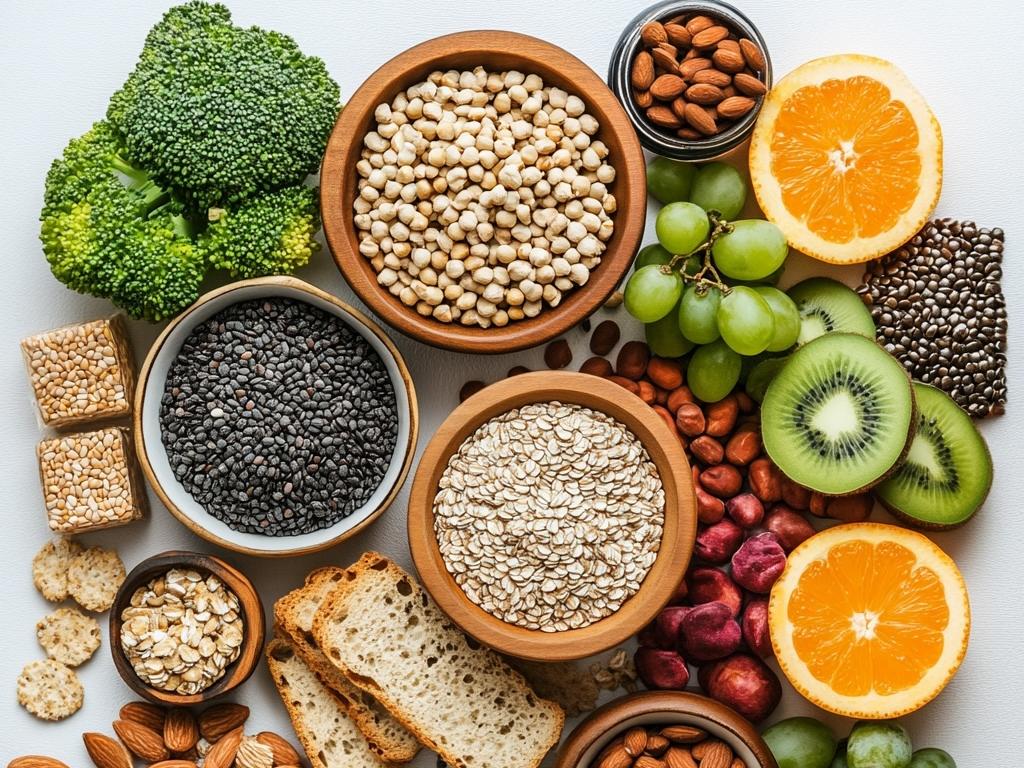
Lower-FODMAP, gentler fibre options:
Oats, wholegrain bread, brown rice
Vegetables: carrots, leafy greens, courgettes
Fruit: berries, kiwi, oranges
Nuts and seeds
Higher-FODMAP, more gas-producing options (may cause symptoms in sensitive individuals):
Beans, lentils, chickpeas
Broccoli, cauliflower
Apples, pears
Note: Some high-fibre foods are also high-FODMAP.
This means that beans, lentils, broccoli, cauliflower and inulin supplements are excellent for fibre but may trigger bloating in people sensitive to FODMAPs. If you experience significant bloating when increasing fibre, see the FODMAP section below.
2) Hydrate Well (6–8 glasses/day)
Even mild dehydration can make stools harder and more difficult to pass.
Herbal teas, diluted squash, and most soft drinks count. Tea and coffee also contribute, although very high caffeine intake may increase urgency in some people.
3) Move More During the Day
Gentle, frequent movement helps stimulate the bowel.
Helpful options:
A 10–20 minute walk after meals can help stimulate digestion and reduce bloating.
Light stretching
Swimming, cycling or yoga
Breaking up long periods of sitting
Movement also helps relieve trapped gas.
4) Manage Stress to Support Gut Health
Stress influences gut motility and sensitivity.
Things you can do:
Slow, deep breathing
Walks outdoors
Mindfulness or relaxation apps
Screen-free time
Prioritising good sleep
These small changes can significantly reduce gut tension.

5) Eat Slowly, Watch Portion Size & Keep a Regular Pattern
Eat slowly: Chewing well reduces swallowed air — a common cause of bloating.
Keep consistent meal times: Eating at similar times each day helps regulate the gut’s natural “housekeeping wave”.
Consider portion size and fat content: Large or very fatty meals take longer to digest and can increase bloating, especially later in the evening.
If you’re prone to symptoms:
Try smaller, more frequent meals
Avoid heavy, rich meals late at night
Allow time to digest before lying down
6) Probiotics May Help for Some People
Probiotics can be helpful for some people, particularly those with IBS-type symptoms. Multi-strain formulations and Bifidobacterium-based products show the most consistent evidence for bloating and regularity.
According to the NHS: “There's some evidence that probiotics may be helpful in some cases, such as helping to ease some symptoms of irritable bowel syndrome (IBS).”
They are not a quick fix, but may support steadier digestion when taken consistently for several weeks.
If your gut is sensitive to certain fibres or FODMAPs, probiotics may be worth trying alongside dietary adjustments.

FODMAPs are Fermentable Oligo-, Di-, Mono-saccharides and Polyols — natural carbohydrates that can draw water into the bowel and ferment quickly, causing gas and bloating in sensitive individuals.
| High-FODMAP vs Lower-FODMAP Foods
Important: | ||||||||||||||||||||||||
A healthy bowel pattern includes:
Soft, well-formed stools (Bristol Type 3–4): Indicates a comfortable transit time.
Easy, comfortable bowel movements: No straining or pain.
A predictable rhythm: Whether morning or evening, consistency matters more than frequency.
Gas within a normal range: Gas production varies widely between individuals, and occasional bloating after meals is completely normal.
Minimal persistent discomfort: Occasional bloating is normal; ongoing or severe pain is not.
Seek medical advice if you experience:
Symptoms lasting more than six weeks despite lifestyle changes
Unexplained iron-deficiency anaemia
Blood in stools
Unintentional weight loss
Severe or persistent abdominal pain
A sudden change in bowel habits, especially over age 50

1. Can dehydration really cause constipation?
Yes. The bowel absorbs more water from stools when you’re dehydrated, making them harder and more difficult to pass.
2. What if my bloating gets worse when I increase fibre?
Slow down, reduce portion sizes, and check whether you’re eating many high-FODMAP foods. Switch to gentler fibre sources and increase gradually.
3. Is it normal to go only a few times a week?
Yes — if that’s normal for you, stools are soft, and you feel comfortable.
A sudden or persistent change from your usual pattern is worth investigating.
4. What about activated charcoal for gas or bloating?
Activated charcoal has limited evidence for reducing flatulence and requires impractically high doses (1g before and after meals). It can also interfere with medications including contraceptives, thyroid medication, and antibiotics. The NHS does not recommend it for routine bloating or constipation.
This article is for general information only and is not intended to treat or diagnose medical conditions. If in doubt please check with your GP first.
References:
NHS. Constipation.
NHS. How to get more fibre into your diet.
NHS. Dehydration.
NHS. Probiotics.
Monash University. Low-FODMAP Diet Programme.
Staudacher HM et al. Low-FODMAP diet research. Gastroenterology.
British Dietetic Association (BDA). Fibre & IBS guidance.
Rao SSC. “Physiology of colonic motility.” Gastroenterology Clinics.
International Foundation for Gastrointestinal Disorders (IFFGD). Gas physiology data.

Mediterranean Diet Slashes Early Death Risk in Women by Nearly 25%, Study Finds

Bananas: Effective in Lowering Blood Pressure New Study Suggests

Shedding Just 5%: The Small Weight Loss with Massive Benefits