Cardiovascular disease remains one of the leading causes of death in the UK, accounting for around 1 in 4 deaths each year, according to the British Heart Foundation.
A substantial proportion of this risk is linked to lifestyle factors we can change.
This is important, because it suggests:
Change does not have to be extreme
Progress does not have to be perfect
And even small steps may contribute to lower risk over time
It’s easy to assume improving your heart health requires a complete lifestyle overhaul.
A stricter diet. Longer workouts. Earlier mornings.
But new research suggests something far more reassuring:
Small, manageable changes across your daily routine may still make a meaningful difference.
Researchers analysed data from more than 53,000 adults in the UK, drawn from the UK Biobank.
Participants were followed for around 8 years, during which time researchers tracked the development of major cardiovascular disease, defined as a composite of:
Heart attack
Stroke
Heart failure
Rather than focusing on a single behaviour, the study examined how sleep, physical activity and diet work together — reflecting how people actually live day to day.
This allowed the researchers to look at how small changes combine in real life.
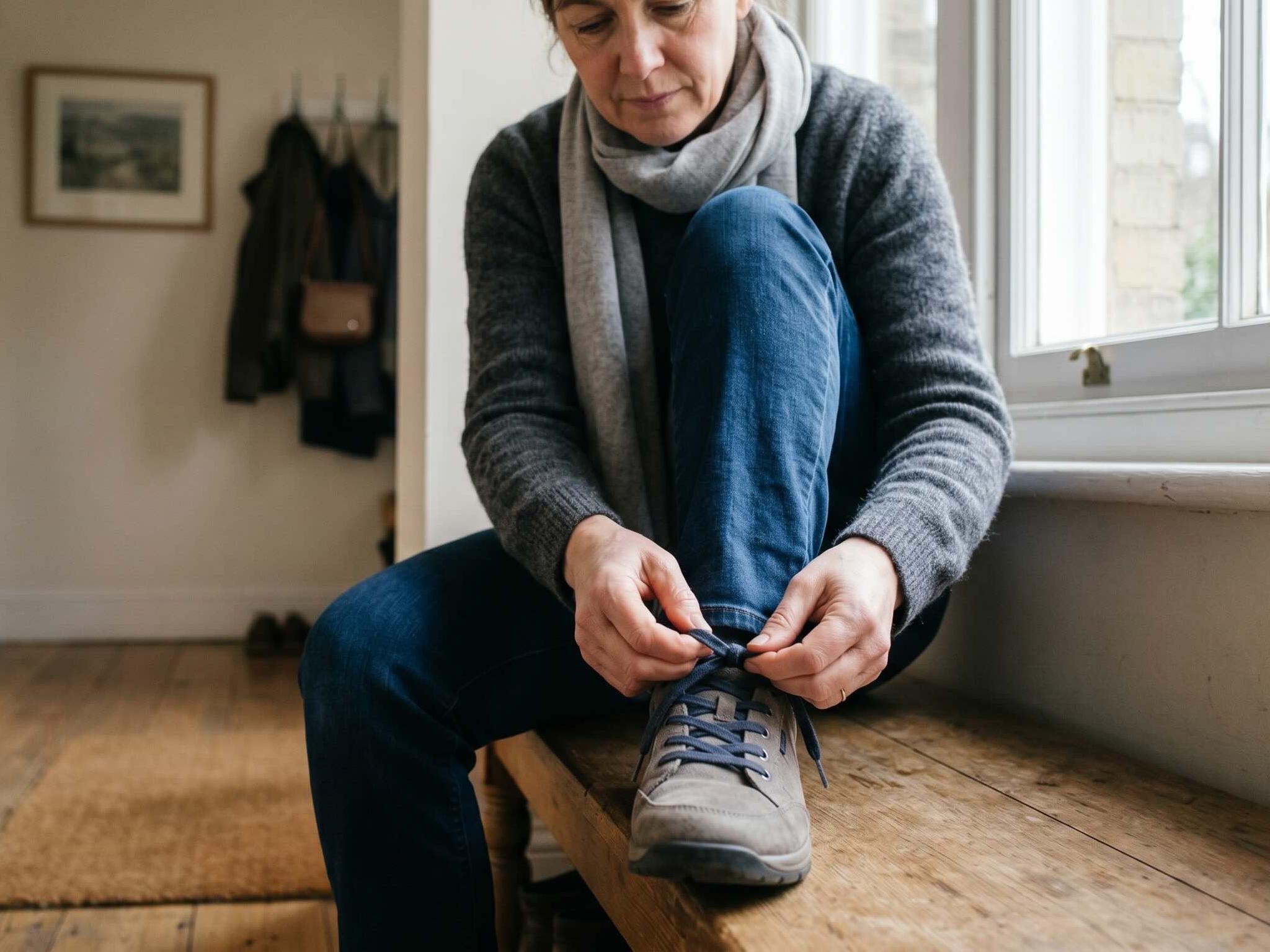
One of the most interesting findings was how relatively small improvements were linked to measurable differences in risk.
For example, participants who made modest changes such as:
Sleeping around 11 minutes more per night (on average)
Doing around 4–5 minutes more physical activity per day
Making small improvements in overall diet quality
…were found to have a lower risk of developing cardiovascular disease.
Importantly, the reported reduction of around 10% lower risk is a relative, compared with those with less favourable combinations of behaviours. The absolute difference in risk was smaller, as would be expected in this type of population study.
The study also showed a clear pattern across behaviour combinations:
Those with the most favourable combination of sleep, activity and diet had around a 57% lower relative risk, compared with those with the least favourable combination
Those with moderately healthier behaviours had around a 40% lower relative risk
These figures represent relative differences between groups, not absolute risk reductions, and should be interpreted in that context.

Most health advice focuses on one area at a time — diet, exercise, or sleep.
But in reality, these behaviours are closely connected:
Sleep influences appetite, metabolism and energy levels
Physical activity can improve sleep quality and cardiovascular fitness
Diet supports both energy balance and long-term metabolic health
This study highlights that it’s the combined effect of these behaviours that may have the greatest impact on long-term cardiovascular risk.
These findings are consistent with existing public health guidance.
The NHS recommends:
At least 150 minutes of moderate activity per week
A balanced diet based on the Eatwell Guide
Maintaining healthy sleep patterns as part of overall wellbeing
The British Heart Foundation similarly advises that maintaining a combination of healthy lifestyle behaviours — including diet, activity and weight management — can help reduce the risk of heart and circulatory disease over time.
Perhaps the most useful takeaway is this:
You don’t need to change everything at once.
Instead, small, realistic adjustments can be a good place to start:
Going to bed slightly earlier
Adding a short walk to your day
Making simple improvements to meals (such as increasing vegetables or whole foods)
Over time, these changes can build into meaningful improvements in overall health.

1. Do small lifestyle changes really make a difference?
Yes. This study found that even modest improvements — such as small increases in sleep and activity — were associated with a lower relative risk of cardiovascular disease. While the absolute risk reduction is smaller, these changes can still be meaningful over time.
2. Is sleep, diet or exercise most important?
All three are important, and they are closely linked. This study suggests that their combined effect may be more relevant than focusing on a single behaviour alone.
3. How much exercise do I need?
The NHS recommends at least 150 minutes of moderate activity per week. However, this study suggests that even small increases in daily movement may still contribute to better outcomes.
4. What counts as a healthier diet?
A healthier diet generally includes:
More vegetables and fruit
Whole grains
Fibre-rich foods
Fewer highly processed foods
Even modest improvements — rather than a complete overhaul — may be beneficial.
5. Does this prove these changes prevent heart disease?
No. This study shows an association rather than proof of cause and effect. However, the findings are consistent with a large body of evidence linking these behaviours to cardiovascular health.
6. How quickly do benefits appear?
This study followed participants over several years and did not measure short-term changes directly. However, broader evidence suggests that improvements in sleep, activity and diet can have both short- and long-term effects on health.
This article is for general information only and is not intended to treat or diagnose medical conditions. If in doubt please check with your GP first.
Wang Y, et al. Combined associations of sleep, physical activity and diet with cardiovascular disease risk: a UK Biobank study. Eur J Prev Cardiol. 2026. doi:10.1093/eurjpc/zwag141
NHS. Physical activity guidelines for adults [Internet]. [cited 2026 Apr 24]. Available from: https://www.nhs.uk/live-well/exercise/
NHS. Eatwell Guide [Internet]. [cited 2026 Apr 24]. Available from: https://www.nhs.uk/live-well/eat-well/
British Heart Foundation. Cardiovascular disease statistics [Internet]. [cited 2026 Apr 24]. Available from: https://www.bhf.org.uk
UK Biobank. Study overview [Internet]. [cited 2026 Apr 24]. Available from: https://www.ukbiobank.ac.uk

Mediterranean Diet Slashes Early Death Risk in Women by Nearly 25%, Study Finds

Bananas: Effective in Lowering Blood Pressure New Study Suggests

Shedding Just 5%: The Small Weight Loss with Massive Benefits