
Going for a walk after dinner might seem like nothing more than a pleasant way to end the day.
But research suggests that the timing of your walk can make a measurable difference to what happens inside your body after you eat.
One of the clearest effects is on blood sugar.
Studies have found that even relatively short walks after meals can reduce the rise in blood glucose that normally occurs after eating.
And when those short walks become a regular habit, they also contribute towards the wider benefits associated with regular physical activity – including better cardiovascular health, lower blood pressure and improved fitness.
So what actually happens when you get up and walk after a meal?
When you eat carbohydrates, they are broken down during digestion into glucose, which enters your bloodstream.
In response, your pancreas releases insulin. Insulin helps glucose move from your bloodstream into your cells, where it can either be used for energy or stored for later.
This rise in blood glucose after eating is perfectly normal.
However, the size and duration of the rise can vary considerably depending on what you eat, your activity levels and your individual metabolism.
This is where walking becomes particularly interesting.
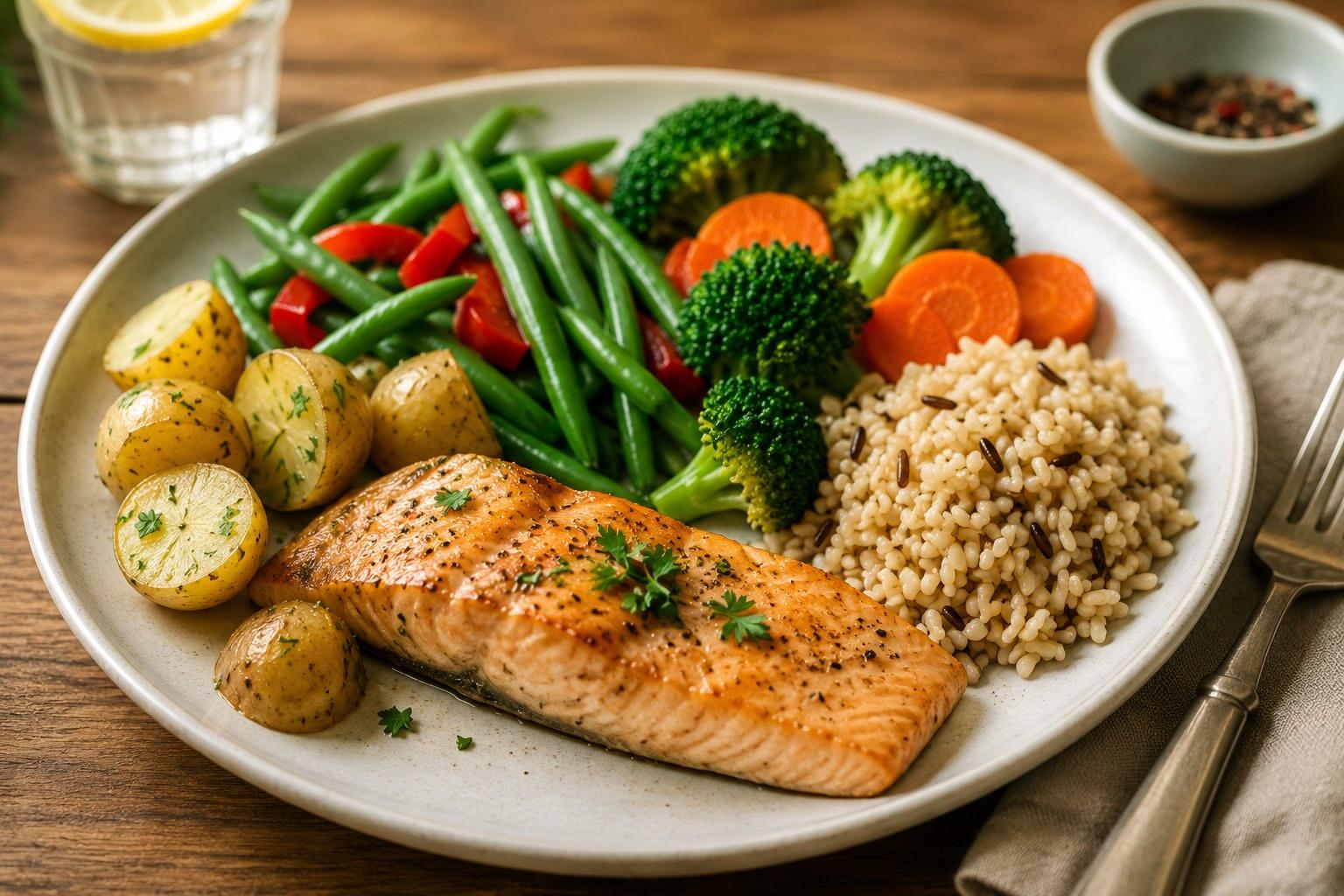
Your muscles require energy when you move.
When muscles contract during exercise, their uptake of glucose increases. So rather than remaining completely inactive while glucose from your meal enters the bloodstream, walking gives your muscles an immediate use for some of that available glucose.
The result can be a smaller rise in blood glucose after eating.
A 2023 systematic review and meta-analysis published in Sports Medicine examined eight randomised crossover trials involving 116 people, both with and without type 2 diabetes.[1]
The researchers found that exercise after eating significantly reduced the post-meal rise in glucose compared with remaining inactive. Exercise after eating was also more effective at reducing the glucose rise than exercise before the meal.[1]
The researchers also investigated whether it mattered how long people waited after eating before becoming active. It did.
Their analysis found that the beneficial effect on post-meal glucose became smaller as the interval between eating and exercise increased.[1]
The researchers concluded that activity such as walking appears to have the greatest immediate effect when undertaken relatively soon after eating, rather than after a longer interval or before the meal.[1]
That doesn’t mean you have to jump up from the table the moment you put your fork down.
But it does challenge the traditional idea that we should necessarily sit and rest for a long period after eating.
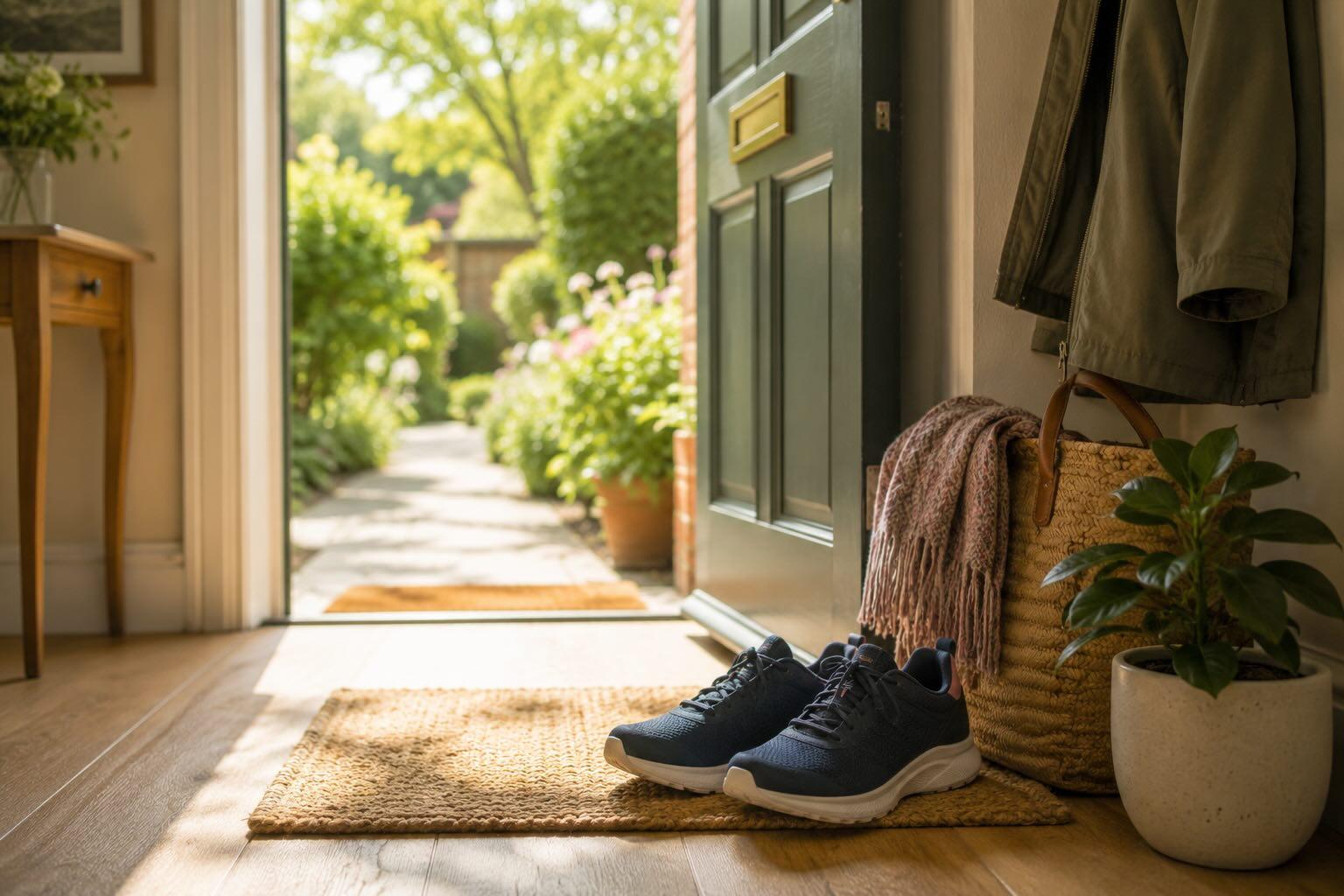
One particularly interesting study involved inactive adults aged 60 and over who were at risk of impaired glucose tolerance.[2]
Researchers compared three 15-minute walks taken after meals with a single continuous 45-minute walk.
Both approaches improved 24-hour glucose control compared with the control day.
However, the three short post-meal walks were significantly more effective at reducing the rise in glucose during the three hours after the evening meal than a single 45-minute walk taken in the morning or afternoon.[2]
The researchers concluded that short bouts of post-meal walking could be an effective way of controlling post-meal increases in blood glucose in older people.[2]
It was a small study – involving only 10 participants – so it shouldn’t be taken as proof that exactly 15 minutes is the perfect amount for everyone.
Nevertheless, the results support what has subsequently been found across a wider collection of studies: the timing of activity around meals appears to matter.
There’s encouraging evidence here too.
A randomised crossover study involving 41 people with type 2 diabetes compared two different walking recommendations.[3] For one period, participants were advised to walk for 30 minutes each day.
For another, they were asked to walk for 10 minutes after each of their three main meals.
Walking after each meal produced a greater improvement in post-meal glucose than simply walking for 30 minutes at an unspecified time of day.
The improvement was particularly noticeable following the evening meal.[3]
Again, this study involved people with type 2 diabetes, so its exact findings shouldn’t automatically be applied to everybody.
But taken alongside the wider evidence, it demonstrates that a useful bout of activity does not necessarily have to be long.
Physical activity can affect blood glucose levels, so a little extra care may be needed if you have diabetes and take medication that can cause low blood sugar.
If you use insulin or glucose-lowering medicines that can cause hypoglycaemia, such as sulfonylureas, speak to your GP, pharmacist or diabetes healthcare team about exercising safely, particularly before making significant changes to the timing or amount of exercise you do.
You may need to take your blood glucose levels, medication and food intake into account when exercising.[8]

For many of us, dinner is followed by several hours of sitting – perhaps watching television, reading or using a computer.
That means the period when glucose from the meal is entering the bloodstream can also be one of the least active parts of the day.
Replacing some of that sitting with a short walk gives your muscles something to do at precisely the time nutrients from your meal are being absorbed.
The NHS recommends reducing time spent sitting or lying down and breaking up long periods of inactivity with movement.[6]
The immediate effect on blood glucose is what makes walking after a meal particularly interesting.
But if a post-meal walk becomes a regular habit, you’re also accumulating physical activity – and walking itself has an impressive body of evidence behind it.
One of the clearest examples comes from a major Cochrane review.[4] Researchers analysed 73 trials involving 5,763 people from 22 countries.
On average, the walking programmes lasted around 15 weeks and involved approximately 153 minutes of walking each week.
Walking reduced systolic blood pressure – the upper number in a blood pressure reading – by an average of:
4.11 mmHg
Diastolic blood pressure fell by:
1.79 mmHg
Among participants aged 60 and over, systolic blood pressure was reduced by an average of 4.30 mmHg.[4]
That’s not the effect of one walk after dinner. It’s the result of regular walking over time. But turning a short post-meal walk into a daily habit is one way of accumulating that regular activity.
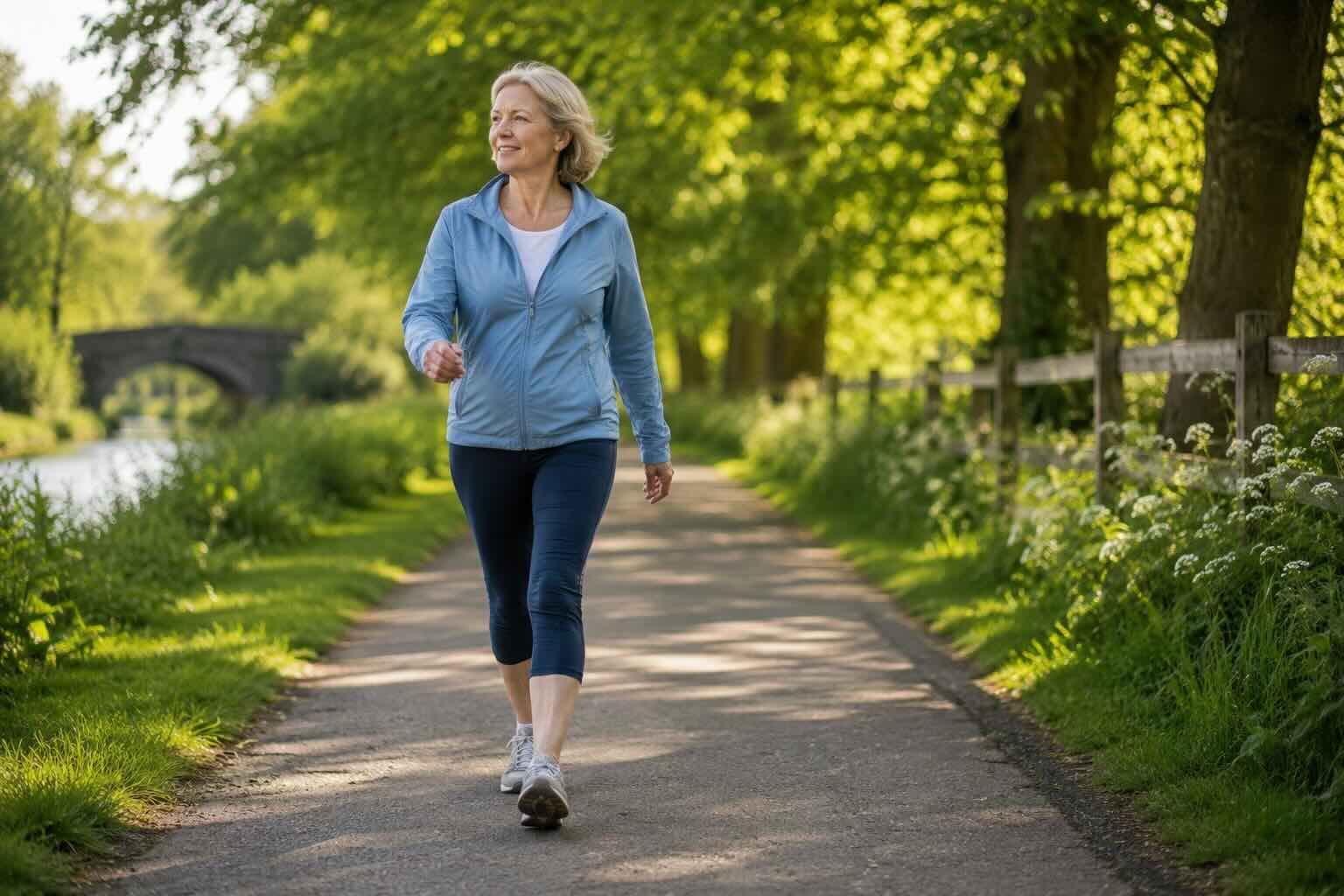
Walking is sometimes underestimated because it feels so ordinary. But brisk walking is aerobic exercise.
The NHS says that walking briskly can help build stamina, burn excess calories and make your heart healthier.[5]
And you don’t have to walk for hours.
According to the NHS, a brisk 10-minute daily walk has health benefits and counts towards the recommended 150 minutes of weekly exercise.[5]
A useful way to judge the pace is the NHS “talk test”. A brisk walk is around 3 miles per hour. You should still be able to talk, but you shouldn’t be able to comfortably sing the words to a song.[5]
The benefits of physical activity aren’t purely physical.
The NHS says regular exercise can boost mood, and that even a brisk 10-minute walk can help clear your mind and help you relax.[7]
Regular physical activity is also associated with wider benefits for physical and mental health.
Again, these are benefits associated with regular physical activity, rather than something unique to walking immediately after eating. But a regular post-meal walk is one way of getting that activity.
The research doesn’t mean you need to reorganise your entire day around walking. If three walks aren’t practical, start with one. Dinner may be an especially convenient time because many of us are more sedentary during the evening.
You could simply finish dinner, put on your shoes and go for a 10- or 15-minute walk around the neighbourhood. And if you’re currently inactive, there’s no need to start with a long or strenuous walk.
The NHS recommends starting gradually and increasing your walking distance as your fitness improves.[5]
A walk after eating is a remarkably simple activity, but there is genuine science behind it.
The strongest evidence shows that walking after a meal can reduce the rise in blood glucose that occurs after eating, and research suggests that starting relatively soon after the meal may produce a greater effect than waiting longer.[1]
Short walks count too.
Studies have found benefits from relatively short periods of post-meal walking, including 10- and 15-minute walks.[2,3]
And if you make walking a regular habit, those minutes also contribute towards the wider benefits of physical activity, including cardiovascular fitness and lower blood pressure.[4-7]
So the next time you’ve finished dinner, instead of heading straight for the sofa, you might consider heading out of the door.
Ten minutes is a good place to start.

1. How long should I walk after eating?
There isn’t a single scientifically established “perfect” duration for everyone.
Research has demonstrated improvements in post-meal glucose with relatively short bouts of activity, including 10- and 15-minute walks.[2,3]
A 10- to 15-minute walk is therefore a practical starting point.
2. How soon after eating should I walk?
Evidence suggests that sooner is generally better if your aim is to reduce the post-meal rise in glucose.
A 2023 systematic review and meta-analysis found that the effect became smaller as the delay between eating and exercising increased.[1]
There’s no need to rush out of the door immediately. Simply getting into the habit of walking reasonably soon after finishing your meal is a practical approach.
3. Should I walk after breakfast, lunch or dinner?
Any of them can contribute to your daily physical activity.
Some research has found particularly useful effects after the evening meal. In the study of adults aged 60 and over, three 15-minute post-meal walks were particularly effective at reducing the three-hour glucose response following dinner.[2]
If walking after every meal isn’t practical, after dinner may therefore be a convenient place to start.
4. Does the walk need to be brisk?
Not necessarily for the immediate post-meal glucose effect – studies have used different exercise intensities.
However, if you also want the walk to count towards your weekly moderate-intensity physical activity, it needs to be sufficiently brisk.
The NHS describes a brisk walk as around 3 miles per hour and suggests a simple test: you should still be able to talk, but you shouldn’t be able to comfortably sing a song.[5]
5. Is walking after eating better than walking before eating?
For controlling the immediate rise in blood glucose after a meal, evidence suggests that it can be.
The 2023 systematic review found that exercise after eating produced a greater reduction in post-meal glucose excursions than exercise performed before eating.[1]
That doesn’t mean walking before eating isn’t healthy. Regular physical activity has many benefits regardless of when you do it.
The distinction relates specifically to controlling the glucose rise caused by that particular meal.
6. Can walking after meals help lower blood pressure?
A Cochrane review of 73 trials found that walking programmes reduced systolic blood pressure by an average of 4.11 mmHg and diastolic pressure by 1.79 mmHg.[4]
However, this is a benefit of regular walking over time, rather than evidence that your blood pressure will permanently fall because you walk immediately after a particular meal.
7. I have diabetes. Can I walk after meals?
For many people with diabetes, walking is an excellent form of physical activity.
However, exercise can change your blood glucose level. If you use insulin or medication that can cause hypoglycaemia, including sulfonylureas, you may need to monitor your blood glucose around exercise.[8]
Speak to your GP or diabetes healthcare team if you’re unsure how a change in your activity could affect your medication, food intake or blood glucose.
This article is for general information only and is not intended to treat or diagnose medical conditions. If in doubt please check with your GP first.
Engeroff T, Groneberg DA, Wilke J. After dinner rest a while, after supper walk a mile? A systematic review with meta-analysis on the acute postprandial glycemic response to exercise before and after meal ingestion in healthy subjects and patients with impaired glucose tolerance. Sports Med. 2023;53(4):849-869. doi:10.1007/s40279-022-01808-7.
DiPietro L, Gribok A, Stevens MS, Hamm LF, Rumpler W. Three 15-min bouts of moderate postmeal walking significantly improves 24-h glycemic control in older people at risk for impaired glucose tolerance. Diabetes Care. 2013;36(10):3262-3268. doi:10.2337/dc13-0084.
Reynolds AN, Mann JI, Williams S, Venn BJ. Advice to walk after meals is more effective for lowering postprandial glycaemia in type 2 diabetes mellitus than advice that does not specify timing: a randomised crossover study. Diabetologia. 2016;59(12):2572-2578. doi:10.1007/s00125-016-4085-2.
Lee LL, Mulvaney CA, Wong YKY, Chan ESY, Watson MC, Lin HH. Walking for hypertension. Cochrane Database Syst Rev. 2021;2:CD008823. doi:10.1002/14651858.CD008823.pub2.
NHS. Walking for health. NHS Live Well. Available from: NHS website.
NHS. Physical activity guidelines for older adults. NHS Live Well. Available from: NHS website.
NHS. Physical activity guidelines for adults aged 19 to 64. NHS Live Well. Available from: NHS website.
Diabetes UK. Exercise for diabetes: type 1 and type 2. Diabetes UK. Available from: Diabetes UK website.

Mediterranean Diet Slashes Early Death Risk in Women by Nearly 25%, Study Finds
Bananas: Effective in Lowering Blood Pressure New Study Suggests
Shedding Just 5%: The Small Weight Loss with Massive Benefits