High blood pressure is often called a “silent” condition because many people have no obvious symptoms for years.
In the UK, millions of adults are estimated to have high blood pressure — one of the biggest risk factors for heart disease and stroke.
According to the NHS, blood pressure consistently above 140/90 mmHg is considered high and may require lifestyle changes or treatment.
Salt reduction is often the first thing people think about when it comes to blood pressure.
But new research suggests another part of the diet may also deserve more attention: legumes and soy foods.
A large review published in BMJ Nutrition, Prevention & Health found that people with higher intakes of legumes — such as beans, lentils and chickpeas — had a lower risk of developing high blood pressure. Higher soy intake was also linked with lower blood pressure risk.

Researchers analysed data from 33 studies involving hundreds of thousands of adults.
They examined the relationship between:
legume intake
soy food intake
and the risk of hypertension (high blood pressure)
The findings showed that:
higher legume intake was linked with a 16% lower risk of high blood pressure
higher soy intake was linked with a 19% lower risk
The strongest links were seen in people eating around:
170g of legumes per day
60–80g of soy foods daily
These are not official recommended targets, simply the intake levels linked with the strongest results in the study.
Studies like this look at long-term eating patterns across large groups of people.
They can show links between foods and health outcomes, but they cannot prove that a single food directly prevents high blood pressure.
Still, because this review combined many previous studies, the findings are considered more reliable than those from a single study alone.
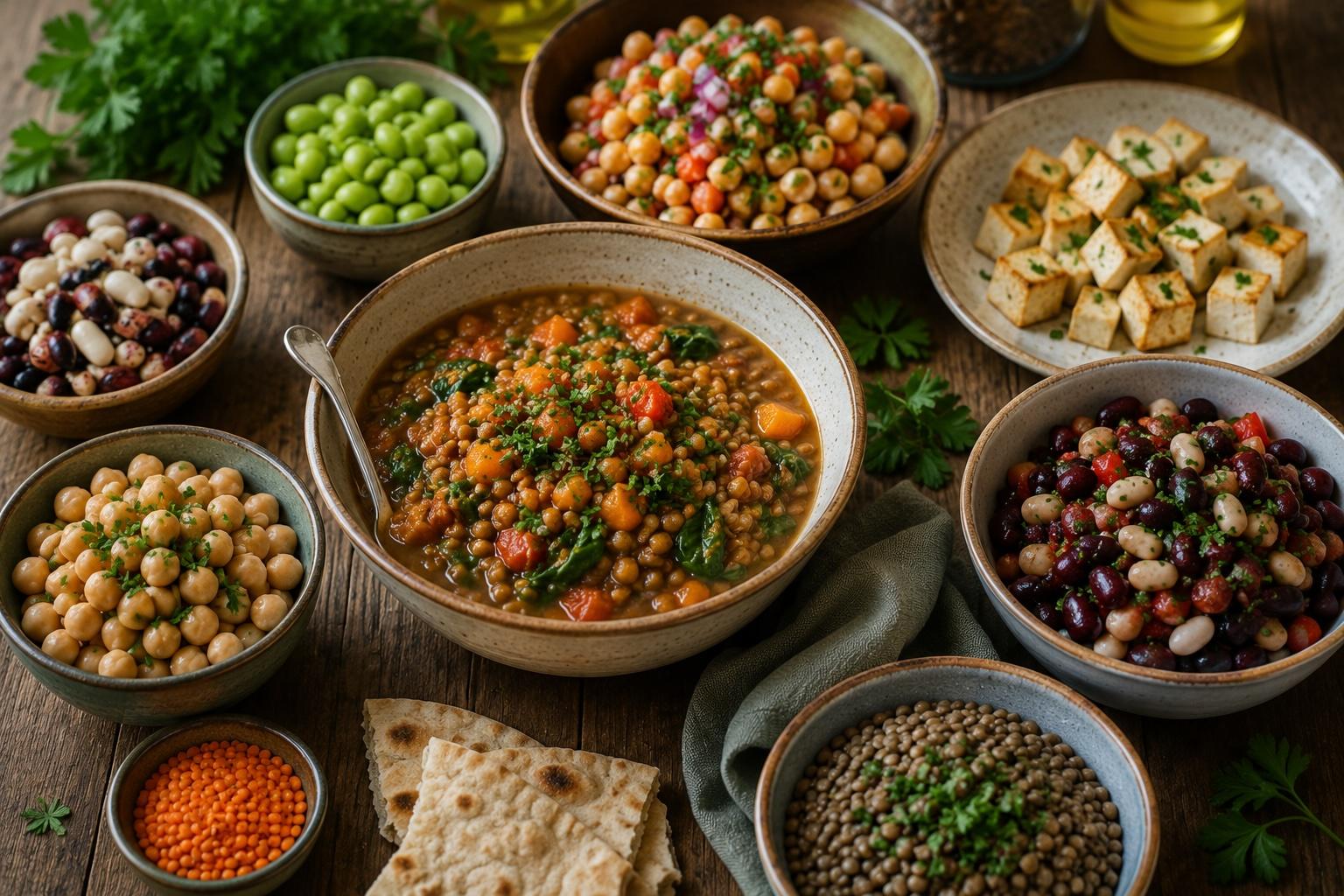
Legumes are a group of plant foods that include:
lentils
chickpeas
kidney beans
black beans
butter beans
peas
baked beans
split peas
Soy foods include:
tofu
edamame
soy milk
tempeh
Many people already eat small amounts of these foods without thinking about them as “health foods”.
But researchers noted that average intakes in many Western countries remain relatively low.
Scientists believe several nutrients and compounds may be involved.
Legumes are naturally rich in fibre.
Fibre may help support healthy blood pressure by:
supporting the gut microbiome
helping with cholesterol balance
improving blood sugar control
supporting fullness and healthy weight management
Most UK adults get an average of around 18g of fibre a day — well below the NHS recommendation of 30g daily.
Beans and lentils also provide potassium and magnesium.
Potassium helps balance the effects of sodium in the body and supports normal blood pressure regulation.
Magnesium is involved in blood vessel relaxation and a wide range of other functions throughout the body.
Soy foods contain naturally occurring compounds called isoflavones.
Some research suggests isoflavones may help blood vessels relax and function normally.
That said, researchers stress that overall eating habits matter far more than any single nutrient.
One of the most interesting things about this study is that it reflects broader lifestyle habits too.
People who regularly eat legumes often also:
eat more vegetables
consume less ultra-processed food
have higher fibre intakes overall
eat less saturated fat
So it is unlikely that beans or tofu alone explain the findings. Instead, these foods may simply be part of a generally healthier way of eating overall.
For many people, increasing intake does not require a dramatic dietary overhaul.
Some easy options include:
adding lentils to soups or stews
including chickpeas in salads
making bean-based curries
using hummus as a snack or spread
adding mixed beans to casseroles
replacing some meat in meals with lentils or beans
trying edamame or tofu in stir-fries
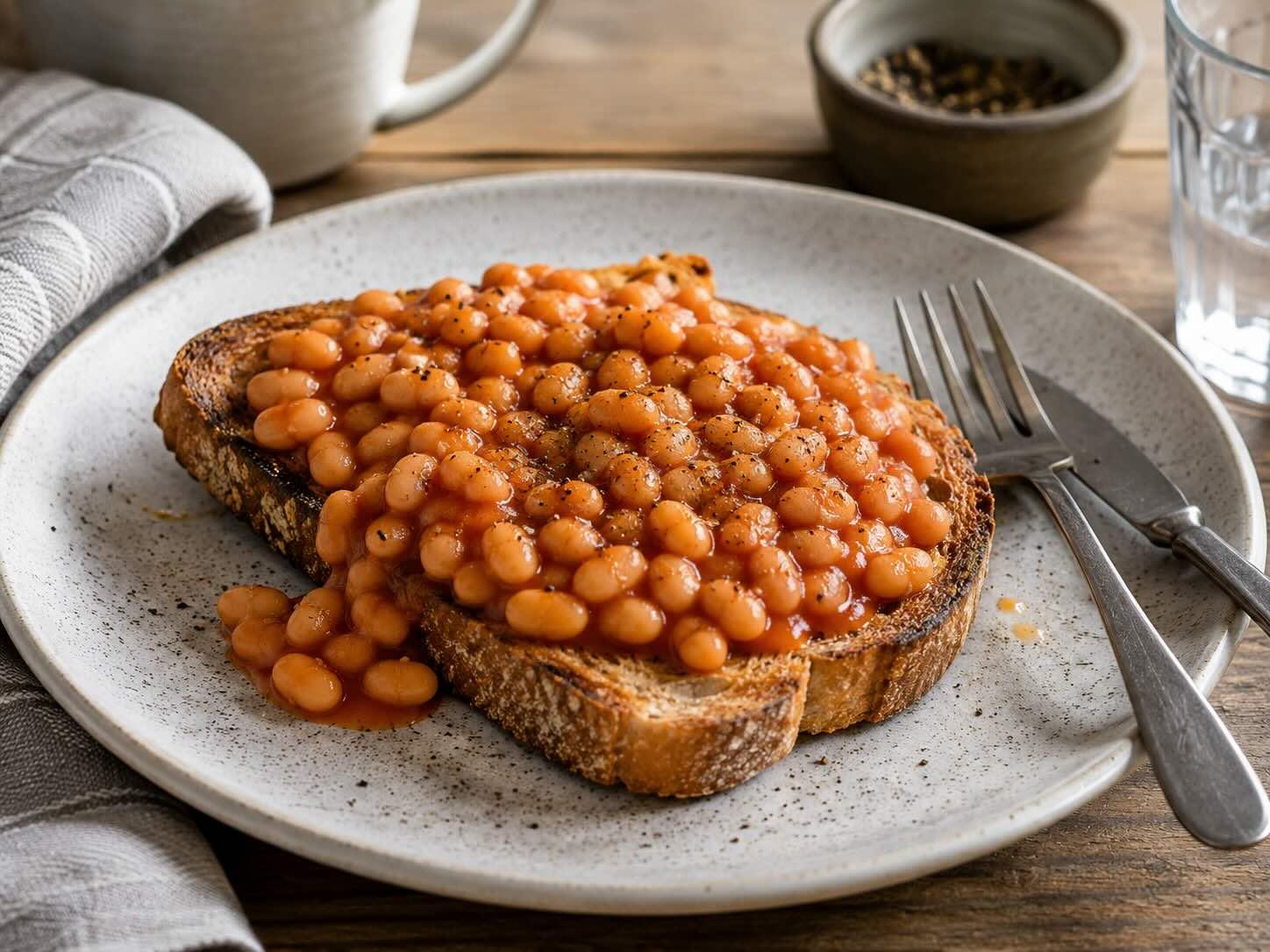
Even baked beans can contribute fibre and legumes to the diet, although lower-salt and lower-sugar varieties may be preferable.
Soy foods remain controversial in some online discussions, but mainstream health organisations generally consider moderate intake safe for most people.
Foods such as tofu, edamame and unsweetened soy milk are widely consumed in many parts of the world.
The British Dietetic Association notes that soy foods can be a useful source of protein and nutrients, particularly within plant-based diets.
As always, people with specific medical conditions or concerns should speak with their GP or specialist.
While diet matters, blood pressure is influenced by many things, including:
age
genetics
body weight
physical activity
alcohol intake
smoking
sleep
stress
overall diet and lifestyle habits
The NHS also recommends:
reducing excess salt intake
staying physically active
maintaining a healthy weight
limiting alcohol
not smoking
Even small improvements across several habits can add up over time.
This new review adds to growing evidence that diets rich in fibre-containing plant foods may help support healthier blood pressure levels.
Beans, lentils, chickpeas and soy foods are not cures for high blood pressure, but they are affordable, accessible and nutrient-rich foods that many people could benefit from eating more regularly.
For many people, adding more beans, lentils or chickpeas to meals may be one of the simplest ways to eat more fibre and support overall heart health over time.

1. How much fibre should adults aim for each day?
The NHS recommends that adults aim for around 30g of fibre daily. However, average intakes in the UK are usually much lower than this.
2. Can legumes replace blood pressure medication?
No. Anyone prescribed blood pressure medication should continue taking it unless advised otherwise by their GP or healthcare professional.
3. Are canned beans still healthy?
Yes. Canned beans and lentils still provide fibre, protein and minerals. Rinsing them may help reduce some of the salt content.
4. Are soy foods safe?
For most people, moderate intake of traditional soy foods such as tofu, edamame and soy milk is considered safe as part of a balanced diet.
5. Which legumes contain the most fibre?
Lentils, black beans, chickpeas and split peas are all particularly good sources of fibre.
6. Are canned beans still healthy?
Yes. Canned beans and lentils still provide fibre, protein and minerals. Rinsing them may help reduce some of the salt content.
7. Can eating more fibre lower blood pressure quickly?
Dietary changes usually work gradually over time. Blood pressure is influenced by many factors, and no single food guarantees immediate results.
8. Is hummus a good source of legumes?
Yes. Hummus is made mainly from chickpeas and can contribute fibre and plant protein to the diet.
This article is for general information only and is not intended to treat or diagnose medical conditions. If in doubt please check with your GP first.
Zhang Y, Wang X, et al. Association of dietary legume and soy intake with hypertension risk: a systematic review and dose-response meta-analysis. BMJ Nutr Prev Health [Epub ahead of print]. 2026. doi:10.1136/bmjnph-2025-001449
NHS. High blood pressure (hypertension) [cited 2026 May 9]. Available from: https://www.nhs.uk/conditions/high-blood-pressure-hypertension/
NHS. How to get more fibre into your diet [cited 2026 May 9]. Available from: https://www.nhs.uk/live-well/eat-well/food-types/fibre-in-your-diet/
British Heart Foundation. How to reduce your blood pressure . [cited 2026 May 9]. Available from: https://www.bhf.org.uk/informationsupport/risk-factors/high-blood-pressure
British Dietetic Association. Soya foods fact sheet . [cited 2026 May 9]. Available from: https://www.bda.uk.com/resource/soya-foods.html
Reynolds A, Mann J, Cummings J, et al. Carbohydrate quality and human health: a series of systematic reviews and meta-analyses. Lancet. 2019;393(10170):434–445.
World Health Organization. Guideline for the pharmacological treatment of hypertension in adults . Geneva: WHO; 2021 [cited 2026 May 9]. Available from: https://www.who.int/publications/i/item/9789240033986

Mediterranean Diet Slashes Early Death Risk in Women by Nearly 25%, Study Finds
Bananas: Effective in Lowering Blood Pressure New Study Suggests

Shedding Just 5%: The Small Weight Loss with Massive Benefits