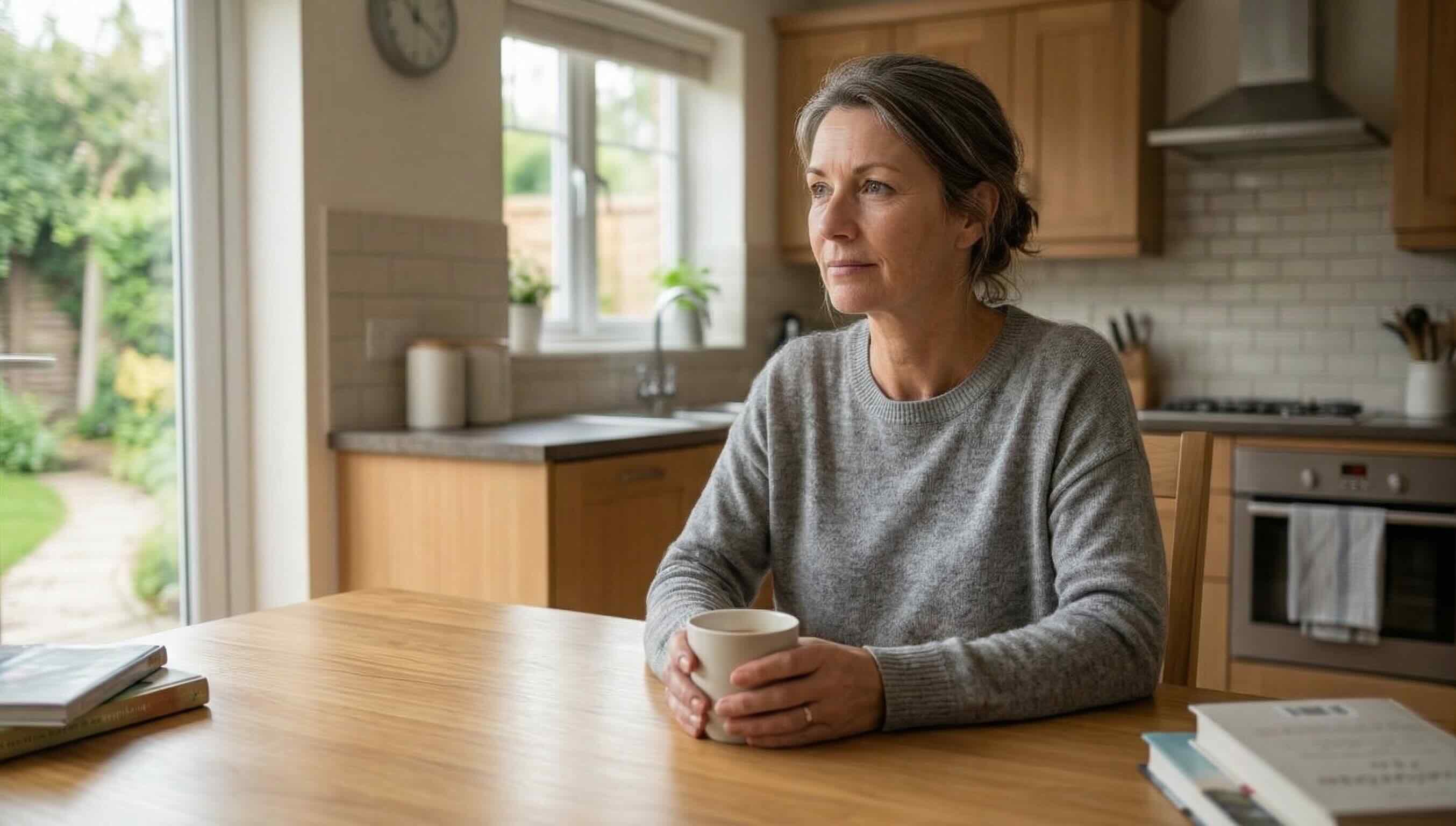
High blood pressure affects millions of people across the UK — and many don’t realise they have it.
The British Heart Foundation estimates that over 14 million adults are living with high blood pressure, including around 5 million who are unaware they have it. Because it rarely causes obvious symptoms, it’s often described as a “silent” condition.
But silent doesn’t mean harmless.
Over time, raised blood pressure can quietly damage blood vessels throughout the body — affecting not just the heart, but also the brain, eyes and overall wellbeing.
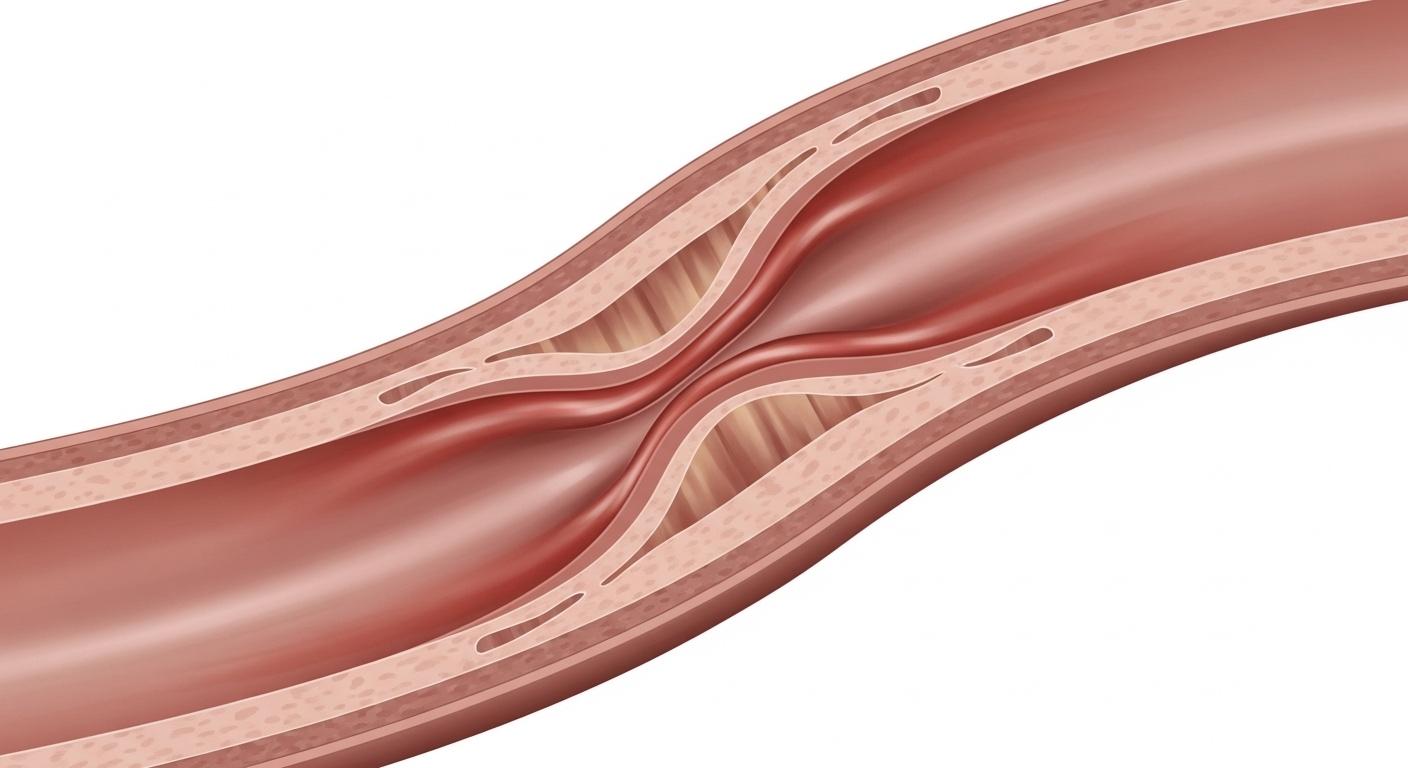
Your blood vessels carry oxygen and nutrients to every organ. When blood pressure is consistently high, it places extra strain on those vessels.
Over time, they can become narrower, stiffer and less able to function properly. This reduces blood flow and places vital organs under pressure — often without any clear warning signs.
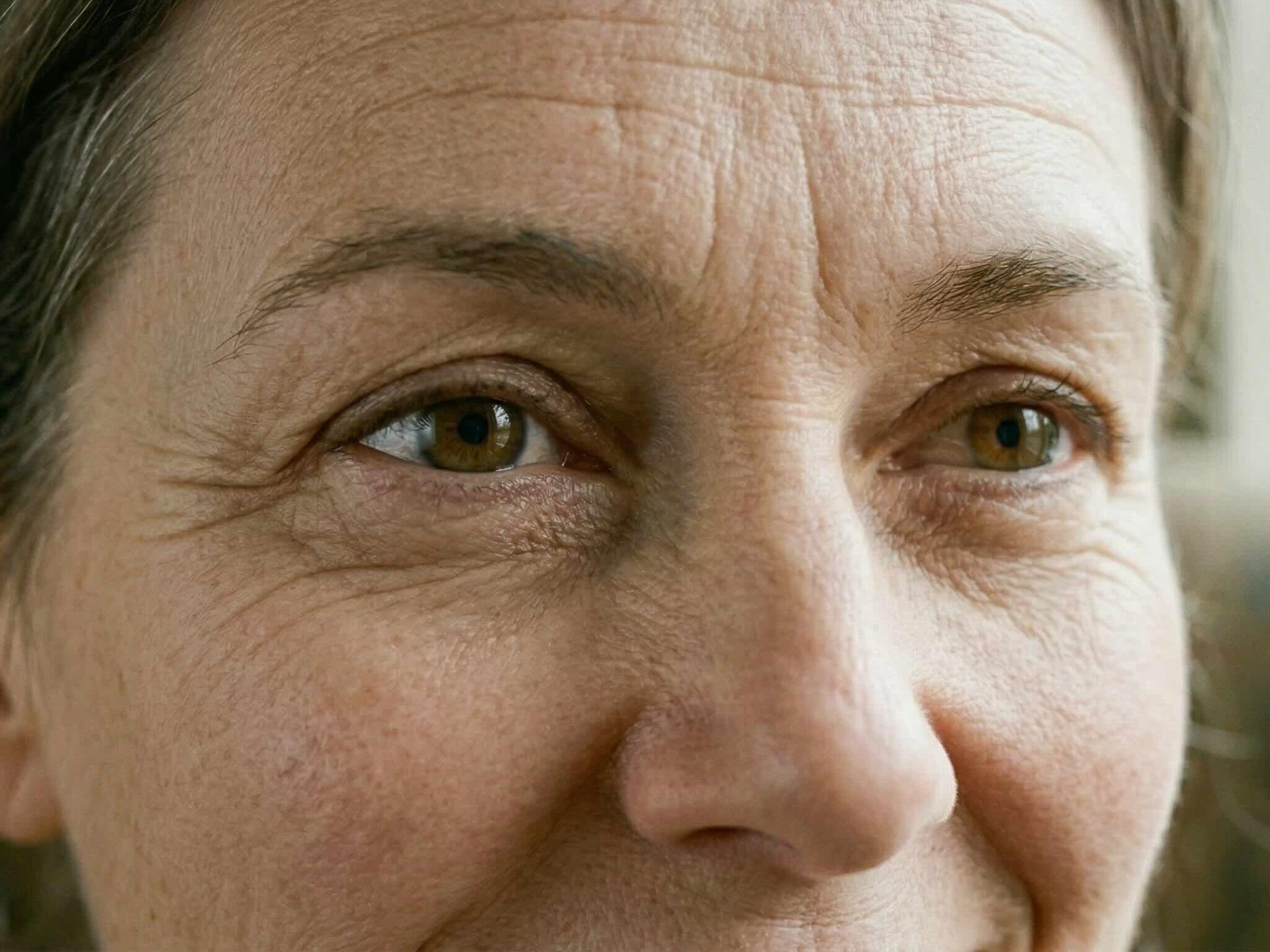
The eyes contain very small, delicate blood vessels, which makes them particularly sensitive to changes in blood pressure.
When these vessels are damaged, it can affect the retina — the part of the eye responsible for clear vision. This condition, known as hypertensive retinopathy, may lead to:
Blurred or reduced vision
Difficulty focusing
Visual disturbances or headaches
In more severe cases, changes to the optic nerve or retinal bleeding may occur.
However, in the early stages, many people notice no changes at all. Subtle damage is often picked up during routine eye tests before symptoms develop — another reason regular optician visits can be valuable alongside blood pressure checks.
Because the eyes reflect changes in the body’s blood vessels more broadly, vision problems linked to blood pressure should always be checked promptly.
The brain relies on a steady, uninterrupted blood supply. High blood pressure can interfere with this in several ways.
Over time, it increases the risk of:
Stroke, caused by either a blockage or bleeding in the brain
Small vessel disease, leading to tiny areas of damage that may go unnoticed at first
Cognitive decline, including problems with memory, concentration and thinking speed
These changes often develop gradually.
Research has consistently linked high blood pressure in midlife with a higher risk of vascular dementia later in life. Clinical trial evidence also suggests that improving blood pressure control may reduce the risk of developing dementia.[4]
Blood flow plays an essential role in sexual function.
When blood vessels are narrowed or less responsive, circulation can be affected — particularly in smaller vessels.
In men, this may contribute to erectile dysfunction. In some cases, it can be an early sign of underlying cardiovascular issues.
In women, reduced blood flow may be linked with:
Lower sexual desire
Reduced sensitivity
Changes in sexual satisfaction
These effects are not always discussed, but they can provide useful early insight into vascular health. It’s also worth noting that some blood pressure medications can influence sexual function — either positively or negatively — so it’s always worth discussing any concerns with a GP.
One of the biggest challenges is that high blood pressure usually has no symptoms.
Many people feel completely well, even when their readings are elevated. As a result, it is often picked up during routine checks rather than through symptoms.
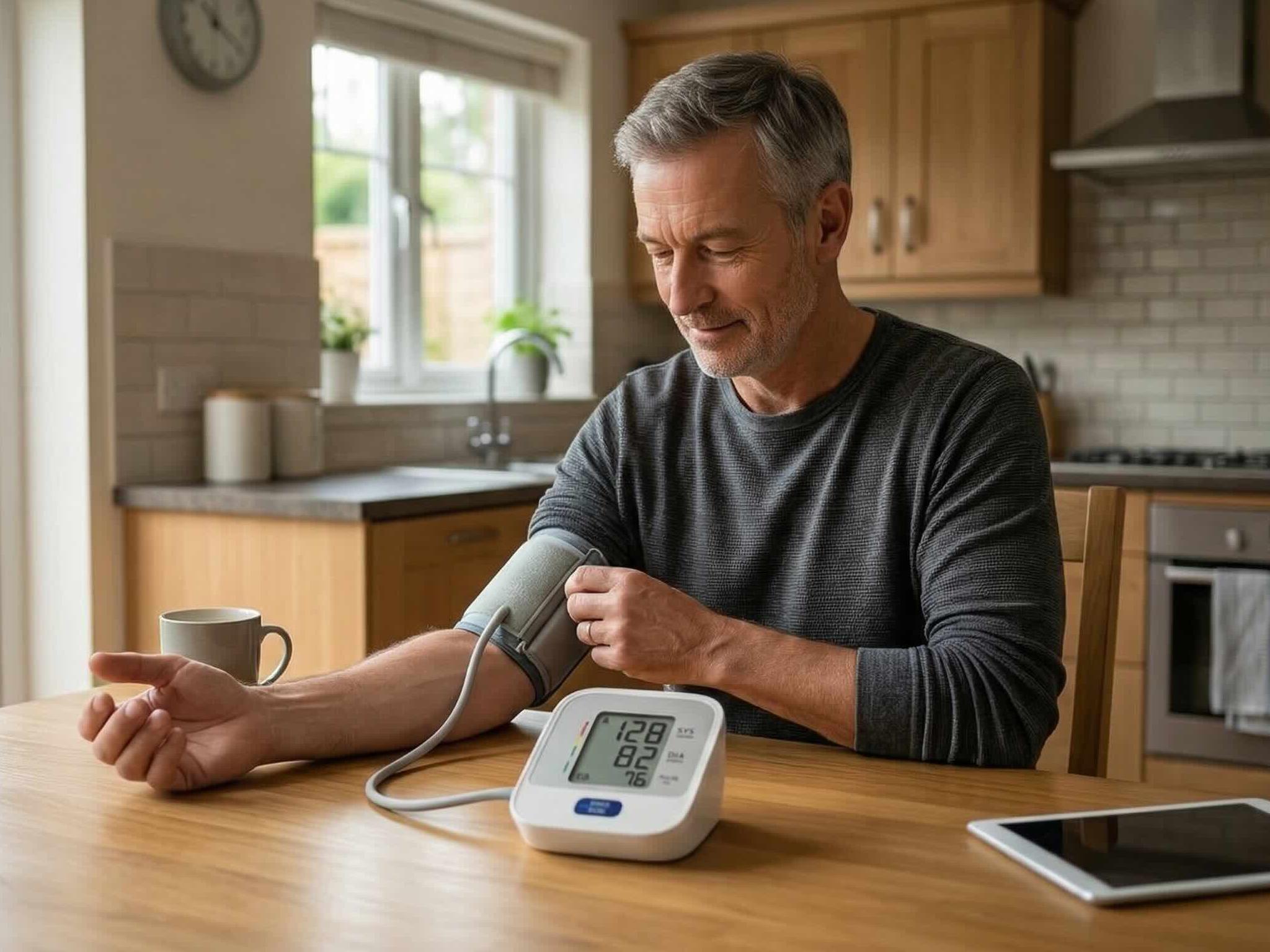
The NHS recommends regular monitoring, particularly for adults over 40. Many pharmacies now offer free blood pressure checks, making it easier to stay on top of your numbers.
The encouraging news is that blood pressure often responds well to small, consistent changes.
A healthy reading is typically below 140/90 mmHg. If your readings are consistently higher, it’s important to seek advice. Some people may need medication, while others can improve levels through lifestyle changes.
The NHS recommends no more than 6 grams of salt per day.
Much of the salt in the UK diet comes from processed foods such as ready meals, bread and sauces. Checking labels and choosing lower-salt options can make a meaningful difference.
Eating patterns rich in whole foods are consistently linked with better blood pressure control.
This includes:
Fruit and vegetables
Wholegrains
Beans and legumes
Nuts and seeds
Healthy fats such as olive oil
These foods provide key nutrients like potassium and magnesium, which support normal blood vessel function.
Regular alcohol intake can raise blood pressure over time. Reducing how often you drink — or keeping it occasional — can help support healthier levels.
Regular movement, such as walking, supports heart and blood vessel health.
There is also growing evidence that simple strength-based exercises — including isometric exercises like wall sits or planks — may produce modest but statistically significant reductions in blood pressure when done consistently.
Combining strength-based and aerobic activity offers the greatest overall benefit for cardiovascular health.
High blood pressure rarely announces itself. But the effects can build slowly — affecting vision, brain health and overall wellbeing.
The key is not to wait for symptoms.
Regular checks, combined with small, sustainable lifestyle changes, can make a meaningful difference — in some cases within weeks. Over time, these changes help reduce the risk of more serious complications.
1. What is considered high blood pressure?
In the UK, readings consistently at or above 140/90 mmHg are considered high.
2. Does high blood pressure cause symptoms?
Usually not. Many people feel completely well.
3. Can it affect eyesight?
Yes. It can damage the small blood vessels in the retina and affect vision, although early changes may not cause noticeable symptoms.
4. Is there a link with memory or dementia?
Long-term high blood pressure is associated with an increased risk of cognitive decline and vascular dementia, and clinical evidence suggests that treating high blood pressure may help reduce this risk.
5. Can it affect sexual function?
Yes. Reduced blood flow may contribute to erectile dysfunction in men and changes in sexual function in women. Some medications may also play a role.
6. Where can I get my blood pressure checked?
Many NHS pharmacies offer free blood pressure checks without an appointment. You can also monitor your blood pressure at home using a validated home monitor (available from local pharmacies), which can be helpful for tracking your readings between checks.
This article is for general information only and is not intended to treat or diagnose medical conditions. If in doubt please check with your GP first.
British Heart Foundation. How common is high blood pressure? [Internet]. [cited 2026 Apr 1]. Available from: https://www.bhf.org.uk/informationsupport/risk-factors/high-blood-pressure
NHS. High blood pressure (hypertension) [Internet]. [cited 2026 Apr 1]. Available from: https://www.nhs.uk/conditions/high-blood-pressure-hypertension/
NHS. Salt: the facts [Internet]. [cited 2026 Apr 1]. Available from: https://www.nhs.uk/live-well/eat-well/salt-nutrition/
He J, Zhao C, Sun Y, et al. Blood pressure reduction and all-cause dementia in people with uncontrolled hypertension: a cluster-randomised trial. Nat Med. 2025;31:2054–2061.
Edwards JJ, Deenmamode AHP, Griffiths M, et al. Exercise training and resting blood pressure: a network meta-analysis. Br J Sports Med. 2023;57(20):1317–1326.
NHS. Free blood pressure checks at pharmacies [Internet]. [cited 2026 Apr 1]. Available from: https://www.nhs.uk/nhs-services/pharmacies/
Mediterranean Diet Slashes Early Death Risk in Women by Nearly 25%, Study Finds

Bananas: Effective in Lowering Blood Pressure New Study Suggests

Shedding Just 5%: The Small Weight Loss with Massive Benefits