
Your bathroom scales might track your weight to the decimal point — but they’re probably ignoring the measurements that best predict your health over the next 10 or 20 years.
Every January, we’re surrounded by numbers: calories, steps, weight targets, body fat percentages, detox scores and wearable stats. Some of these are genuinely useful. Many aren’t.
The problem isn’t health data itself. It’s that we’re often encouraged to focus on numbers that don’t reliably predict long-term health, while overlooking the ones that do.
So which numbers actually matter?
Below, we look at the measures most strongly linked to real outcomes — such as heart disease, diabetes, cancer and early death — and the ones you can safely stop worrying about.
This is one of the most important — and most commonly missed — health numbers in the UK.
The NHS recommends around 30g of fibre per day, yet most adults consume closer to 18–20g. That shortfall matters.
Higher fibre intake is consistently associated with:
Lower risk of heart disease and stroke
Reduced risk of bowel cancer
Improved blood sugar control
Better gut health and regularity
Lower risk of diverticular disease
Large population studies, including analyses linked to UK Biobank data, show that people who eat more fibre tend to develop fewer chronic conditions and live longer overall.

Many people struggle to visualise this number. Roughly speaking, 30g could include:
A bowl of porridge oats: ~4g
An apple with skin: ~3g
A jacket potato with skin: ~5g
A portion of chickpeas or lentils: ~6–7g
A serving of vegetables (e.g. broccoli, carrots): ~4g
Most people can close the gap by:
Swapping white bread for wholemeal or seeded bread
Choosing jacket potatoes over mash or chips
Adding beans or lentils to meals a few times a week
Including fruit and vegetables at most meals
Why it matters: Fibre isn’t a trend — it’s one of the strongest and most consistent dietary predictors of long-term health.

You don’t need extreme exercise to gain meaningful health benefits.
Large studies published in The Lancet Public Health and the British Journal of Sports Medicine show that regular movement — particularly walking — significantly reduces the risk of early death, cardiovascular disease and cognitive decline.
Research suggests that around 7,000 steps per day is associated with substantially lower mortality risk compared with very low activity levels.
Importantly, the biggest gains come from moving more than you currently do.
For example, increasing daily steps from 2,000 to 5,000 offers a similar proportional benefit to moving from 5,000 to 10,000.
Alongside walking and other aerobic activity, the NHS also recommends strength-building activities at least twice a week.
These help:
Maintain muscle mass as we age
Support bone health
Improve balance and reduce fall risk
This doesn’t need to mean a gym — body-weight exercises, resistance bands, gardening or carrying shopping all count.
Why it matters: Consistent movement protects the heart, brain, joints and metabolism — even at modest levels.

Total cholesterol is often the only number people remember — but on its own, it doesn’t give a reliable picture of cardiovascular risk.
Cholesterol is made up of several components, each telling a different part of the story. Doctors usually look at:
Total cholesterol:NHS guideline: below 5.0 mmol/L
LDL cholesterol (“bad” cholesterol):For most people, below 3.0 mmol/L is considered desirable. Lower targets may be used if overall risk is higher
HDL cholesterol (“good” cholesterol)
≥1.0 mmol/L for men
≥1.2 mmol/L for women
Triglycerides:Normal fasting level: below 1.7 mmol/L
Rather than focusing on one number, doctors assess the overall pattern, how these markers relate to each other, and how results change over time.
Cholesterol naturally fluctuates due to recent diet, alcohol intake, illness, stress, sleep and even seasonal variation. This is why the NHS advises looking at trends across multiple tests, not a single reading.
Cholesterol is also interpreted alongside other risk factors, including:
Blood pressure
Age and sex
Smoking status
Family history
Diabetes risk

A single result that’s a little above the guideline range rarely means something is seriously wrong.
Small variations — often around 5–10% between tests — are considered normal. Your GP will usually focus on longer-term patterns and overall risk, rather than reacting to one result.
In many cases, a slightly raised reading simply leads to advice on lifestyle factors such as fibre intake, physical activity, weight management or alcohol consumption — not immediate treatment.
Why it matters: Understanding cholesterol properly helps avoid unnecessary anxiety and supports steady, long-term risk reduction.
Body weight doesn’t show where fat is stored — and that matters.
Carrying excess fat around the abdomen is more strongly linked to heart disease, type 2 diabetes, insulin resistance and inflammation than overall weight alone. For this reason, the NHS uses waist circumference as a simple indicator of health risk.
Stand upright and breathe out normally
Find the midpoint between the bottom of your ribs and the top of your hips
Wrap a tape measure around this point
Keep it snug but not tight, and parallel to the floor
Men
Below 94 cm (37 in): lower risk
94–102 cm (37–40 in): increased risk
Above 102 cm (40 in): high risk
Women
Below 80 cm (31.5 in): lower risk
80–88 cm (31.5–34.5 in): increased risk
Above 88 cm (34.5 in): high risk
The NHS also notes that people of South Asian, Chinese, other Asian, Middle Eastern, Black African or African-Caribbean backgrounds may face increased health risks at lower waist measurements.
Why it matters: Waist size often reflects metabolic health more accurately than the scales.

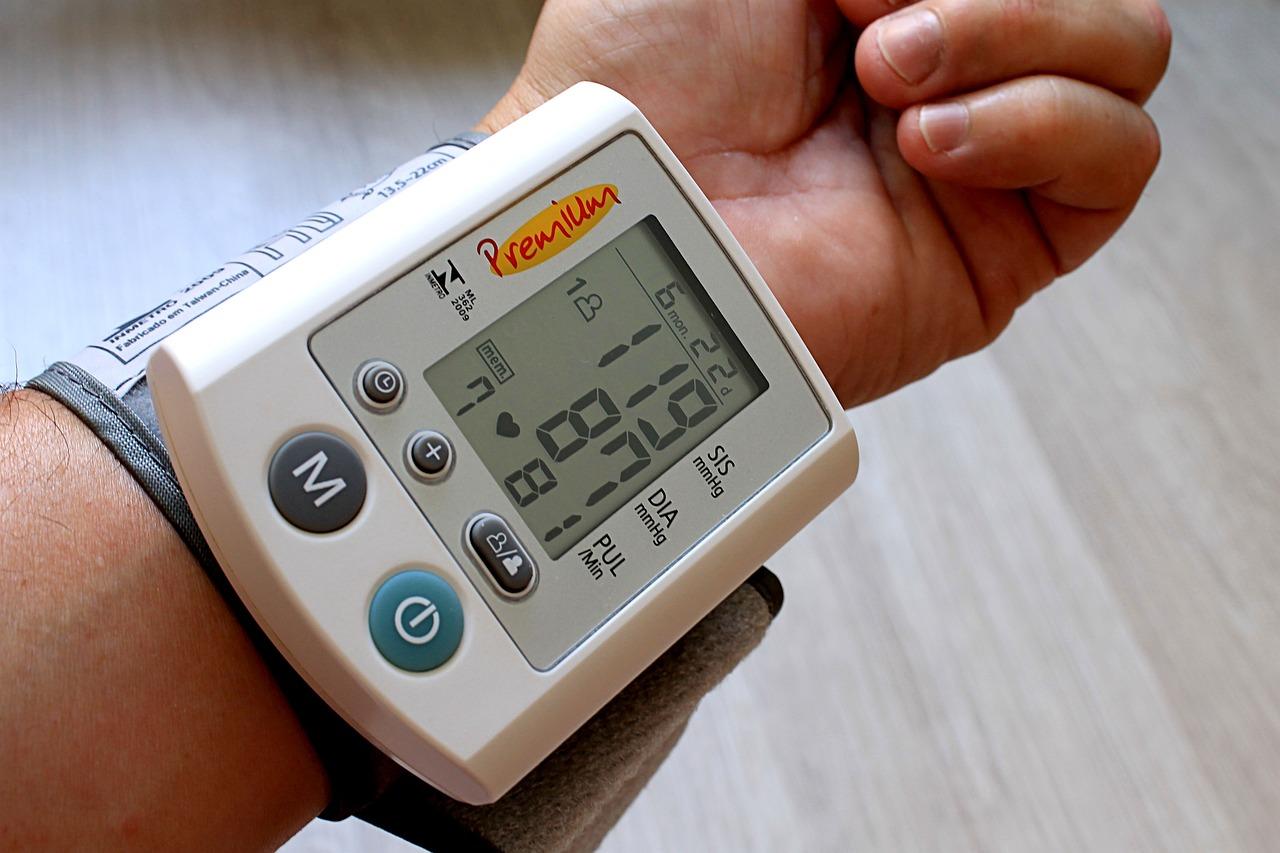
Blood pressure is one of the most important — and most overlooked — health numbers.
It’s often called a “silent risk” because high blood pressure usually causes no symptoms, yet over time it increases the risk of heart disease, stroke, kidney disease and vascular dementia.
Normal: below 120/80 mmHg
High-normal: 120/80 to 139/89 mmHg
High blood pressure: 140/90 mmHg or higher (clinic readings)
For home readings:
135/85 mmHg or higher is considered high
Risk rises gradually, not suddenly at a single cut-off. This is why the NHS aims to identify raised blood pressure early.
One raised reading does not mean you have hypertension.
Blood pressure can rise temporarily due to stress, caffeine, alcohol, illness, pain or poor sleep. Your GP will typically check several readings over time before drawing conclusions.
For mildly raised levels, NHS guidance focuses first on lifestyle measures:
Regular movement
A fibre-rich diet
Reducing salt intake
Maintaining a healthy waist size
Improving sleep and managing stress
Medication is usually considered only if blood pressure remains consistently high or overall cardiovascular risk is increased.
Why it matters: Even small, sustained reductions in blood pressure can significantly reduce long-term risk.
HbA1c (blood sugar control)
Used to assess diabetes risk and long-term blood sugar levels.
NHS guidance: below 42 mmol/mol (6.0%)
Raised levels increase the risk of type 2 diabetes and cardiovascular disease.
Vitamin D (UK-specific)
Low levels are common, particularly from October to March.
The NHS recommends 10 micrograms (400 IU) daily during winter months for most adults.
Daily scale weight — can fluctuate 2–4 lbs overnight due to water retention, digestion and hormones
Detox or cleanse scores — your liver and kidneys already detox efficiently; supplements don’t enhance this
Single blood test results in isolation — trends matter far more
Body fat percentage from home devices — often inaccurate and inconsistent
Good health isn’t about chasing perfect numbers or reacting to every fluctuation.
The strongest predictors of long-term wellbeing are boringly consistent habits:
Eating enough fibre
Moving regularly
Monitoring blood pressure
Understanding cholesterol properly
Focusing on trends, not daily noise
By paying attention to the numbers that genuinely matter — and letting go of the rest — it becomes much easier to make calm, sustainable health decisions throughout the year.

1. Which health number matters most overall?
There isn’t a single “most important” number. Long-term health is best predicted by patterns, not isolated results. That said, fibre intake, blood pressure, waist circumference, movement levels and cholesterol profile consistently show the strongest links with future disease risk in large studies.
2. Should I worry about one abnormal result?
Usually not. Many health numbers — including cholesterol, blood pressure and weight — naturally fluctuate. Doctors and the NHS look at trends over time and assess results alongside other risk factors rather than reacting to a single reading.
3. Is BMI still useful?
BMI can be helpful at a population level, but it doesn’t show fat distribution, muscle mass or metabolic health. Waist circumference often provides more useful information about cardiometabolic risk than BMI alone.
4. Is waist measurement really better than weighing myself?
For many people, yes. Waist size reflects abdominal fat, which is more strongly linked to heart disease and type 2 diabetes than body weight alone. It’s also less affected by day-to-day fluid changes.
5. Do I really need 30g of fibre every day?
That’s the NHS guideline, but it’s best seen as a long-term average, not a daily target to stress over. Gradually increasing fibre intake — even by 5–10g per day — can deliver meaningful health benefits.
6. How often should cholesterol and blood pressure be checked?
As part of the NHS Health Check, adults aged 40–74 are typically offered checks every five years. Your GP may recommend more frequent monitoring if you have additional risk factors or previous borderline results.
7. Can lifestyle changes really improve these numbers?
Yes. Strong evidence shows that regular movement, higher fibre intake, modest weight loss, reduced salt intake and improved sleep can all meaningfully improve blood pressure, cholesterol, waist size and blood sugar control over time.
This article is for general information only and is not intended to treat or diagnose medical conditions. If in doubt please check with your GP first.
References:
NHS – Fibre: how much do we need?
NHS – Cholesterol
NHS – Why your waist size matters
https://www.nhs.uk/live-well/healthy-weight/why-your-waist-size-matters/
NHS – High blood pressure (hypertension)
https://www.nhs.uk/conditions/high-blood-pressure-hypertension/
NHS – Type 2 diabetes: diagnosis
NHS – Vitamin D
https://www.nhs.uk/conditions/vitamins-and-minerals/vitamin-d/
Reynolds A. et al. Carbohydrate quality and human health. The Lancet, 2019.
Ding D. et al. Association of step volume with mortality. The Lancet Public Health, 2023.

Mediterranean Diet Slashes Early Death Risk in Women by Nearly 25%, Study Finds

Bananas: Effective in Lowering Blood Pressure New Study Suggests

Shedding Just 5%: The Small Weight Loss with Massive Benefits