
Most people assume they’re eating reasonably well.
But when it comes to fibre, many are falling short — often without realising it.
A bowl of cereal in the morning. A sandwich at lunch. A hot meal in the evening.
On the surface, it looks balanced.
Yet across the UK, most adults are still falling well short of recommended fibre intake — and the effects are not always obvious at first.
They build gradually, over time.
According to the NHS, adults should aim for:
Around 30 grams of fibre per day
However, data from the UK National Diet and Nutrition Survey (NDNS) shows that average intake remains well below this level.
Typical intakes are approximately:
19g per day for women
21g per day for men
Neither group meets the recommended target.
This gap has been highlighted in UK dietary surveys for over a decade and is often referred to as the UK’s “fibre gap”.
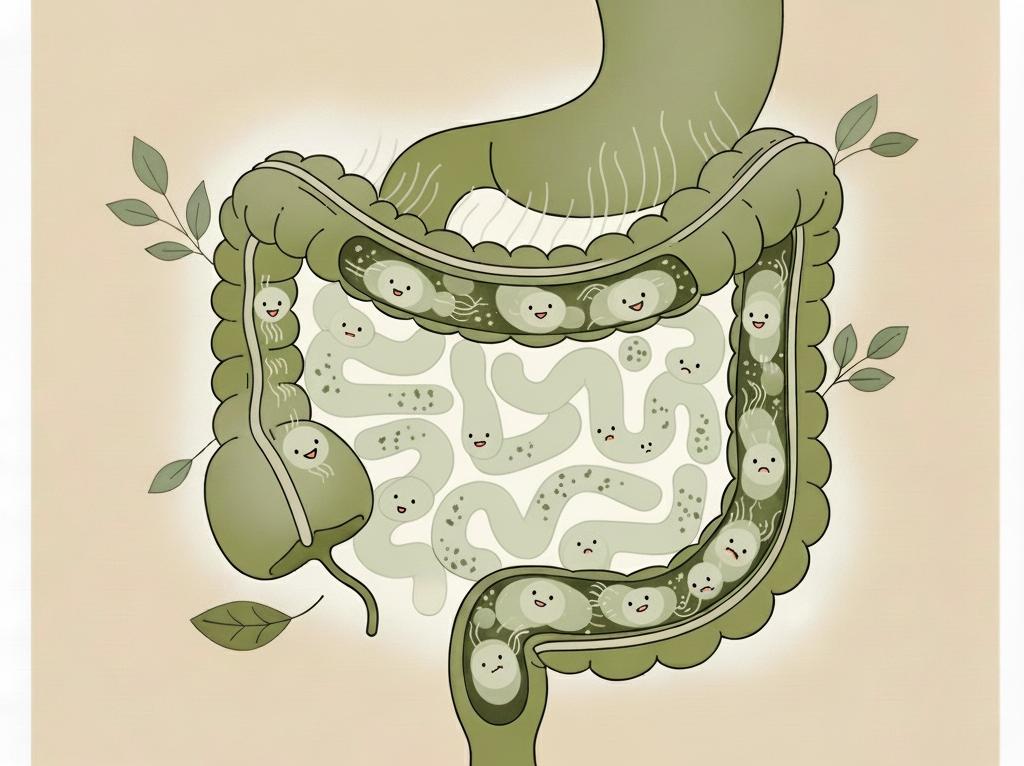
Fibre is often associated with digestion, but its role is much broader.
1. Gut Health
Fibre helps feed beneficial gut bacteria.
When these bacteria ferment fibre, they produce short-chain fatty acids, which help:
Maintain the gut lining
Support immune function
Help regulate inflammation
2. Cholesterol Levels
Certain types of fibre — particularly soluble fibre such as beta-glucan — are associated with maintaining normal blood cholesterol levels. The UK health claim is that a daily intake of 3g beta-glucan from oats or barley contributes to this effect.
3. Blood Sugar Control
Fibre slows the absorption of carbohydrates.
This helps:
Reduce sharp rises in blood glucose
Support more stable energy levels
Support long-term metabolic health
4. Regular Bowel Movements
Fibre contributes to stool bulk and consistency.
This supports:
More regular bowel movements
Easier passage of stool

Modern diets tend to contain less fibre than traditional ones.
This is largely due to higher consumption of:
Refined grains (such as white bread and pasta)
Processed foods
Lower intake of whole plant foods
Even people with otherwise balanced diets can fall short without realising.
Low fibre intake does not always cause immediate symptoms.
However, it is commonly associated with:
Irregular bowel habits
Digestive discomfort
Fluctuating energy levels
A growing body of research shows that higher fibre intake is associated with a lower risk of several long-term conditions, including cardiovascular disease and type 2 diabetes.
Increasing fibre intake can lead to gradual improvements over time.
Commonly reported effects include:
More regular digestion
Improved bowel consistency
More stable energy levels
Improvements in cholesterol and metabolic markers may also occur when increased fibre intake is part of an overall healthy diet and lifestyle.

Small changes can make a meaningful difference.
Choose wholegrain versions of bread, rice, and pasta
Add oats, seeds, or fruit to breakfast
Include vegetables with main meals
Add beans, lentils, and chickpeas to meals such as soups, stews, and salads
Snack on fruit, nuts, or pulses
Increase intake gradually and drink adequate fluids
Not all fibre behaves in the same way.
Some fibres — known as prebiotic fibres — are fermented by gut bacteria and selectively support beneficial species.
One example is inulin, a naturally occurring soluble fibre found in foods such as chicory root, onions, garlic, and leeks.
Inulin:
Is fermented in the large intestine
Supports the growth of beneficial gut bacteria
For some people, prebiotic fibres can be a practical way to increase overall fibre intake where dietary intake is low.
Fibre supports multiple systems simultaneously:
Digestive health
Cardiovascular health
Metabolic function
Gut microbiome balance
Despite this, intake across the UK remains consistently below recommended levels. This shortfall may affect digestion, energy levels, and long-term health. Improving intake does not require extreme changes — consistent, gradual adjustments can make a meaningful difference over time.

1. How quickly does fibre make a difference?
Some people notice improvements in digestion within a few days. Other effects, such as changes in cholesterol or blood sugar, depend on overall diet and may take longer.
2. Can increasing fibre cause bloating?
Yes, particularly if intake is increased too quickly. Gradual increases and adequate fluid intake help minimise this.
3. Is fibre only important for digestion?
No. Fibre also plays a role in cholesterol regulation, blood sugar control, and gut microbiome health.
4. What’s the difference between soluble and insoluble fibre?
Soluble fibre dissolves in water and helps regulate cholesterol and blood sugar
Insoluble fibre adds bulk to stool and supports regular bowel movements
Both are important.
5. Can fibre supplements replace food sources?
Whole foods should form the foundation of fibre intake. However, fibre supplements — including prebiotic fibres — can help support intake where diet alone is insufficient.
This article is for general information only and is not intended to treat or diagnose medical conditions. If in doubt please check with your GP first.
NHS. Fibre: how to get more fibre into your diet.
Scientific Advisory Committee on Nutrition (SACN). (2015). Carbohydrates and Health. London: TSO.
https://www.gov.uk/government/publications/sacn-carbohydrates-and-health-report
Public Health England / UKHSA. National Diet and Nutrition Survey: Years 9 to 11 (2016–2019).
https://www.gov.uk/government/statistics/ndns-results-from-years-9-to-11-2016-to-2019
NHS. High cholesterol – Prevention.
Reynolds A, Mann J, Cummings J, et al. (2019). Carbohydrate quality and human health. The Lancet.
Makki K, Deehan EC, Walter J, Bäckhed F. (2018). The impact of dietary fibre on gut microbiota in host health and disease. Cell Host & Microbe.
Slavin J. (2013). Fiber and prebiotics: mechanisms and health benefits. Nutrients.

Mediterranean Diet Slashes Early Death Risk in Women by Nearly 25%, Study Finds

Bananas: Effective in Lowering Blood Pressure New Study Suggests

Shedding Just 5%: The Small Weight Loss with Massive Benefits