A study following more than 105,000 women for about 21 years found that Mediterranean-style eating was associated with fewer strokes caused by blocked blood flow and by bleeding.
Healthy eating advice often focuses on individual foods. However, researchers are increasingly interested in the bigger picture: how different foods work together as part of an overall eating pattern.
A study published in Neurology Open Access in 2026 examined how closely following a Mediterranean-style diet was associated with the risk of stroke.
An ischaemic stroke happens when blood flow to part of the brain is blocked. A haemorrhagic stroke involves bleeding in the brain.
This was an observational study, so it shows an association rather than proof that changing what we eat will prevent a stroke.
Researchers followed more than 105,000 women for about 21 years.
Their average age at the start was 53, and none had previously had a stroke.
The women answered questions about what they ate. Researchers then compared those whose diets most closely matched Mediterranean-style eating with those whose diets matched it least.
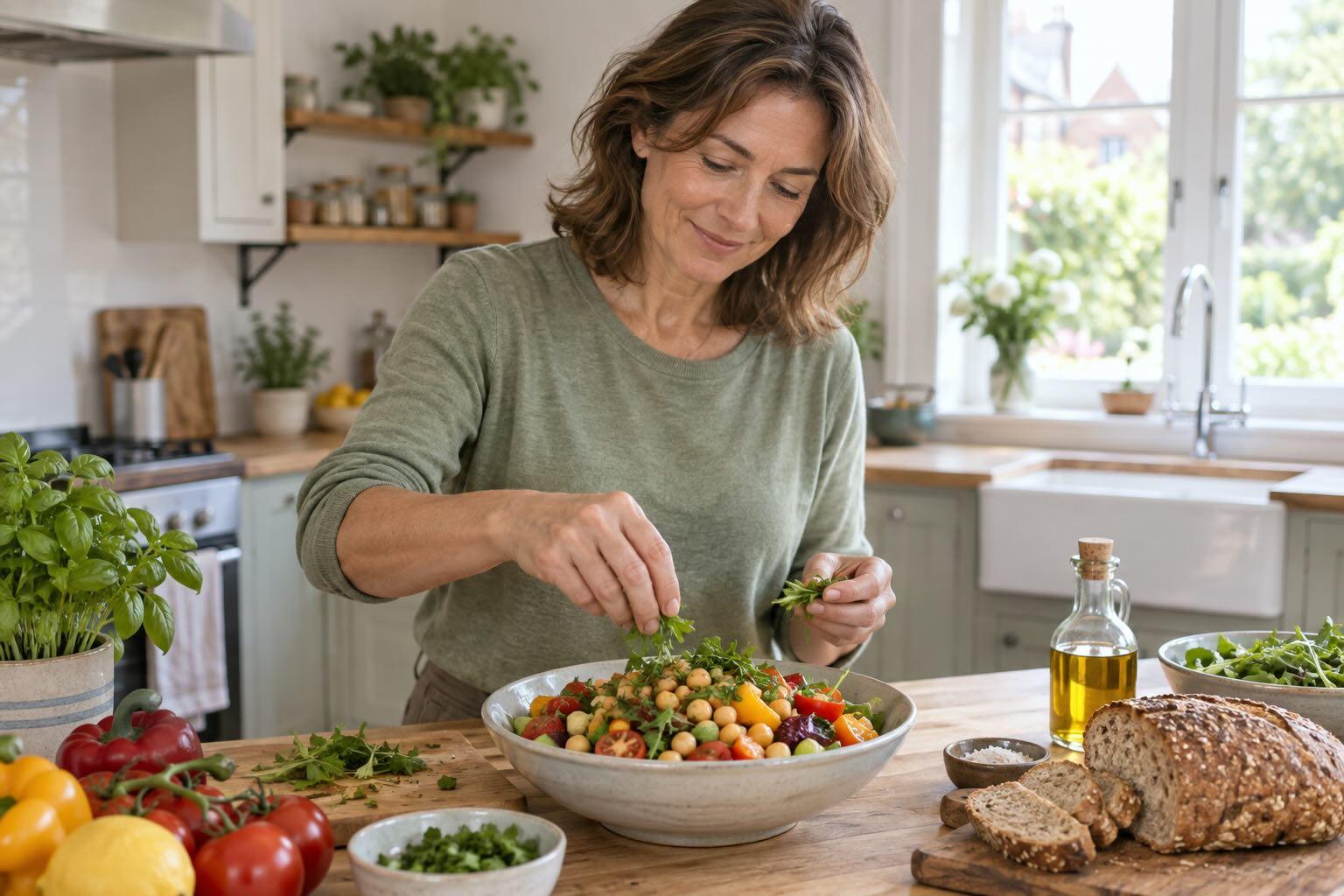
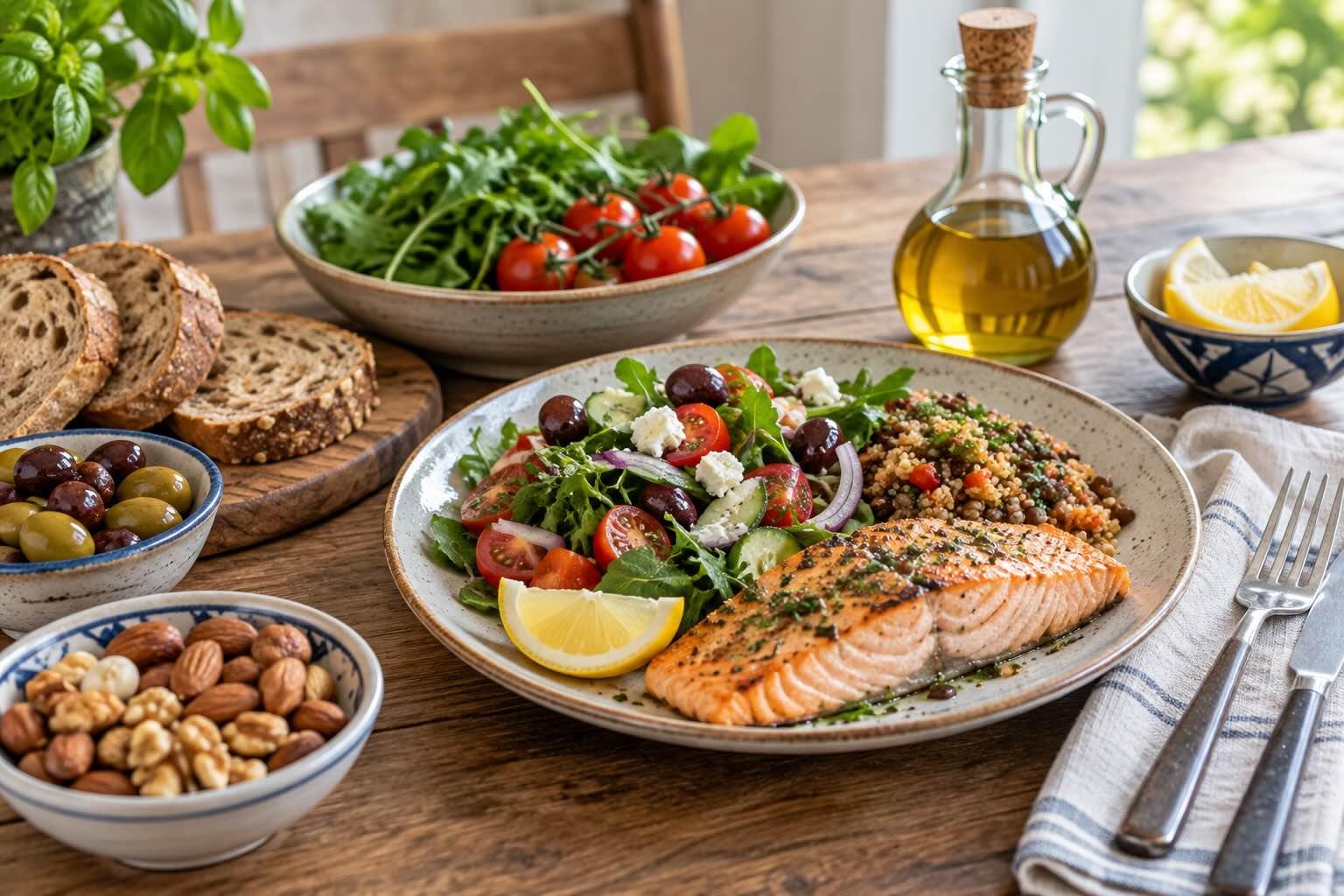
Women received a higher score for eating more wholegrains, fruit, vegetables, beans, fish and olive oil, and less red meat and dairy.
Women who followed the eating pattern most closely had:
| Type of stroke | Lower risk |
|---|---|
| All strokes combined | 18% lower |
| Strokes caused by blocked blood flow | 16% lower |
| Strokes caused by bleeding in the brain | 25% lower |
The link remained after researchers took account of factors including smoking, physical activity and high blood pressure.
These percentages describe differences between the groups—not a guaranteed reduction in anyone’s personal risk.
The result for strokes caused by bleeding in the brain is particularly interesting because fewer large dietary studies have looked at this type separately.
However, fewer women experienced bleeding strokes, so the 25% figure is less certain than the other results. More research is needed to confirm it. [1, 2]
The British Heart Foundation describes Mediterranean-style eating as a pattern centred on vegetables, fruit, pulses, nuts and wholegrains, alongside fish and moderate amounts of poultry and dairy.
It also involves using unsaturated oils, such as olive or rapeseed oil, in place of some saturated fats, while eating less red and processed meat. [3]
You do not need to cook Mediterranean recipes. A lentil curry, vegetable soup or porridge breakfast can fit the same broad approach.
The emphasis is on the overall balance—not one particular ingredient.
These are meal ideas, not a stroke-prevention prescription.
1. Add pulses to a familiar dish
Stir chickpeas into a vegetable curry, add butter beans to soup or replace some of the mince in a Bolognese or chilli with lentils.
2. Try a wholegrain alternative
Choose wholemeal toast, brown rice or wholewheat pasta for a meal you already enjoy.
3. Make vegetables easier to include
Keep frozen peas, spinach or mixed vegetables available for quick additions to meals. Fresh, frozen and tinned vegetables can all contribute to a balanced diet.
4. Plan a fish meal if you eat fish
Sardines on toast or baked salmon with vegetables are straightforward options.
NHS guidance recommends at least two portions of fish each week, including one portion of oily fish such as salmon, sardines or mackerel. [4]
5. Replace some butter or ghee with unsaturated oil
Olive or rapeseed oil can suit many dishes. Use small amounts, as all fats are high in calories.
6. Build a meal around beans rather than processed meat
Try a bean chilli, lentil curry or jacket potato with a bean filling instead of sausages or bacon.
These changes broadly reflect the NHS Eatwell Guide, which recommends varied fruit and vegetables, higher-fibre or wholegrain carbohydrates, pulses and small amounts of unsaturated oils. [4]
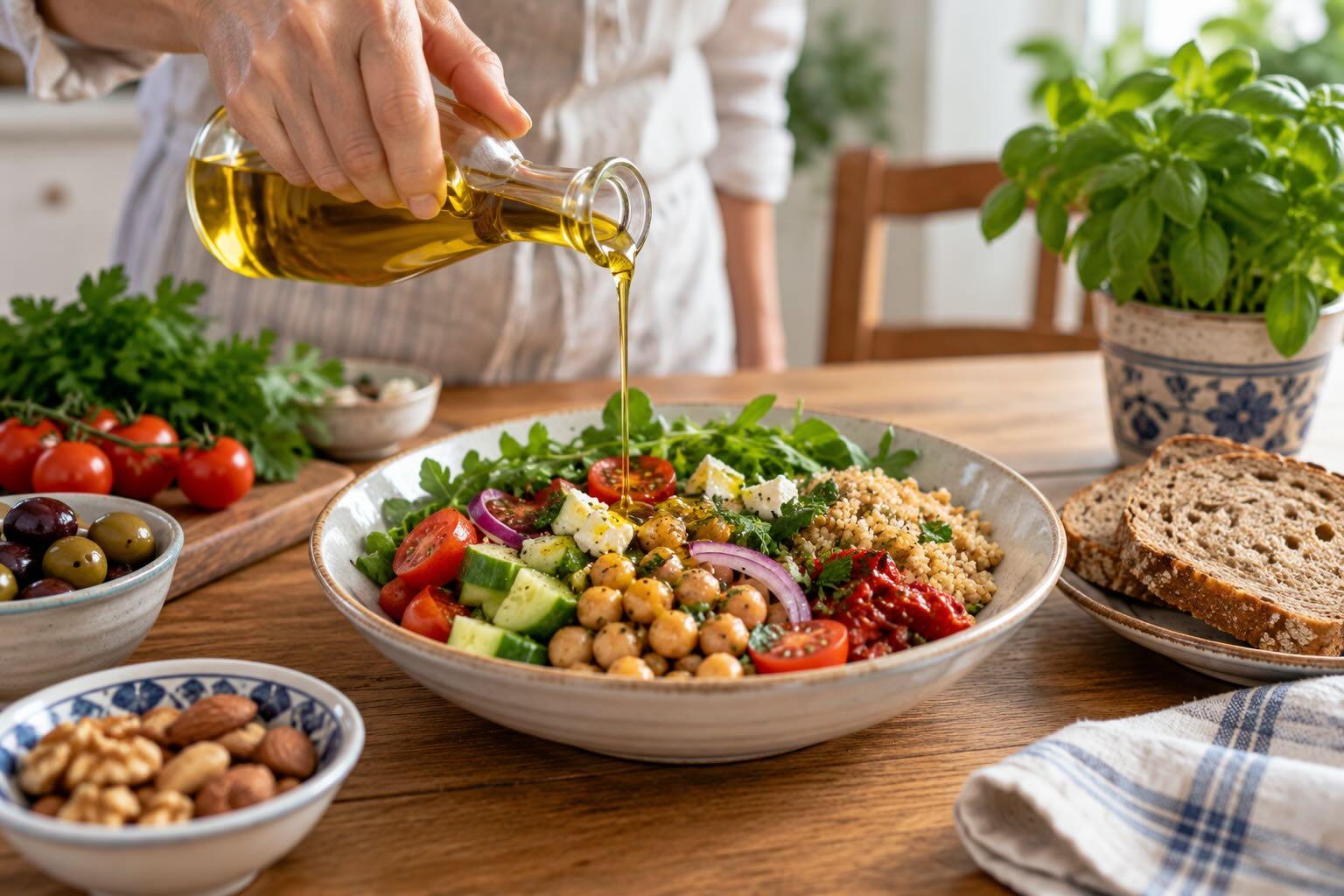
Olive oil can be part of Mediterranean-style eating, but the study does not show that olive oil alone prevents stroke.
The British Heart Foundation emphasises that the benefits of Mediterranean-style eating are linked to the combination of foods, rather than one individual ingredient. [3]
Adding olive oil to an otherwise unchanged diet is not the same as changing the overall balance of what you eat.
Wine is not necessary either. Although moderate alcohol consumption formed part of the study’s scoring system, the British Heart Foundation does not recommend drinking alcohol for heart health. [3]
If you do not drink, do not start for supposed health benefits.
For adults who drink regularly, UK guidance advises no more than 14 units a week, spread over three or more days. This is a low-risk guideline, not a target to reach. [5]
Diet cannot replace treatment for medical conditions that increase stroke risk.
The NHS identifies high blood pressure, diabetes, atrial fibrillation and high cholesterol as risk factors. Its advice on reducing risk includes stopping smoking, exercising, eating a balanced diet, reducing alcohol and taking prescribed medicines correctly. [6]
Do not stop or reduce medication because you have changed your diet. Speak to your GP or pharmacist if you have concerns about your treatment.
If you take warfarin, speak to your doctor before making major dietary changes. Foods rich in vitamin K, including spinach, broccoli and other green leafy vegetables, can affect how warfarin works. [7]
If you have already had a stroke, seek individual advice from your stroke team, GP or a registered dietitian, particularly if you have swallowing difficulties or other dietary requirements.
Women whose diets most closely resembled Mediterranean-style eating had lower rates of both main types of stroke. The practical message is to focus on the overall balance of foods, rather than searching for a single protective ingredient.
Diet was self-reported once, in 1995–96, among female California educators, so the findings may not apply to men or to the current UK population, and other differences between participants may have contributed.
Start with one familiar meal: add vegetables or pulses, choose a wholegrain option or replace some butter with unsaturated oil. You do not need an entirely new menu to change the balance.
Call 999 at the first sign of any one of these:
Face: Sudden drooping or weakness on one side.
Arms: Difficulty raising and keeping both arms lifted.
Speech: Sudden slurred or confused speech.
Time: Call 999 immediately.
Other possible symptoms include sudden confusion, sudden loss of vision, dizziness or loss of balance, or a sudden, severe headache. Call 999 if you suspect a stroke, even if the symptoms stop. Do not drive yourself to A&E. [8]

1. Does this prove that Mediterranean-style eating prevents strokes?
No. The study found an association, but it cannot prove that the eating pattern caused the difference.
2. Does the 18% figure describe my personal risk reduction?
No. It describes the difference between the two groups in the study. It does not predict exactly how much one person’s risk would change.
3. Do I need to stop eating meat?
No. Mediterranean-style eating can include meat, but it places greater emphasis on plant foods and generally includes less red and processed meat.
4. Should I give up dairy?
No. The NHS Eatwell Guide includes dairy foods or suitable alternatives as part of a balanced diet. Lower-fat and lower-sugar choices may be useful where appropriate. [4]
5. How quickly could my stroke risk change?
The study cannot provide a timescale. It looked at long-term outcomes rather than testing a short dietary programme.
This article is for general information only and is not intended to treat or diagnose medical conditions. If in doubt please check with your GP first.
Sherzai AZ, Cauble EL, Spielfogel ES, Willey JZ, Gu Y, Scarmeas N, et al. Mediterranean diet and the risk of stroke subtypes in women: the California Teachers Study. Neurol Open Access. 2026;2(1):e000062. doi: 10.1212/WN9.0000000000000062. PMID: 42100584. Available from: https://doi.org/10.1212/WN9.0000000000000062
American Academy of Neurology. Mediterranean diet associated with lower risk of all stroke types [press release; Internet]. 2026 Feb 4 [cited 2026 Sep 19]. Available from: https://www.aan.com/PressRoom/Home/PressRelease/5310
British Heart Foundation. Mediterranean diet meal plan and recipes [Internet]. [cited 2026 Sep 19]. Available from: https://www.bhf.org.uk/informationsupport/heart-matters-magazine/nutrition/mediterranean-diet
NHS. The Eatwell Guide [Internet]. [cited 2026 Sep 19]. Available from: https://www.nhs.uk/live-well/eat-well/food-guidelines-and-food-labels/the-eatwell-guide/
NHS. Alcohol units [Internet]. [cited 2026 Sep 19]. Available from: https://www.nhs.uk/live-well/alcohol-advice/calculating-alcohol-units/
NHS. Causes of a stroke [Internet]. [cited 2026 Sep 19]. Available from: https://www.nhs.uk/conditions/stroke/causes/
NHS. Warfarin [Internet]. [cited 2026 Sep 19]. Available from: https://www.nhs.uk/medicines/warfarin/
NHS. Symptoms of a stroke [Internet]. [cited 2026 Sep 19]. Available from: https://www.nhs.uk/conditions/stroke/symptoms/
Mediterranean Diet Slashes Early Death Risk in Women by Nearly 25%, Study Finds
Bananas: Effective in Lowering Blood Pressure New Study Suggests

Shedding Just 5%: The Small Weight Loss with Massive Benefits