Heart disease remains the UK’s biggest killer — yet many of the risks that matter most in our 50s, 60s and 70s aren’t the ones most commonly discussed.
Most people know about high cholesterol, smoking and blood pressure.
But newer UK studies — particularly from the UK Biobank — reveal several quieter, less-recognised factors that gradually increase cardiovascular risk long before symptoms appear.
These risks are also highly modifiable, even later in life.
Below are the hidden factors worth paying attention to — and the small, practical steps that can make a real difference.
If you’re aged 40–74 in England, you’re eligible for a free NHS Health Check every five years.
It measures:
Blood pressure
Cholesterol
Diabetes risk
Kidney function
BMI
Your overall cardiovascular risk score
This is one of the most effective ways to detect issues early. You can arrange one through your GP practice.

A major cardiovascular risk — even when cholesterol looks normal.
UK Biobank research shows that chronic, low-grade inflammation is associated with higher risk of heart disease, stroke and early mortality — even in people who appear healthy.
Inflammation can be quietly elevated for years due to:
Poor sleep
Chronic stress
Inactivity
Visceral fat
Diets low in fibre and omega-3 fats
Low vitamin D levels (very common in UK adults over 60)
Inflammatory markers include CRP (C-reactive protein), one of the key biomarkers used in UK Biobank studies.
What helps:
Eating 30g fibre/day
Regular oily fish consumption
Daily movement
Improving sleep consistency
Vitamin D supplementation during autumn–winter (as recommended by the UK government)

Half of people over 60 — especially those over 65 — live with raised blood pressure.
The NHS estimates that around one in two adults over 65 have hypertension. Yet many remain undiagnosed because readings are taken infrequently.
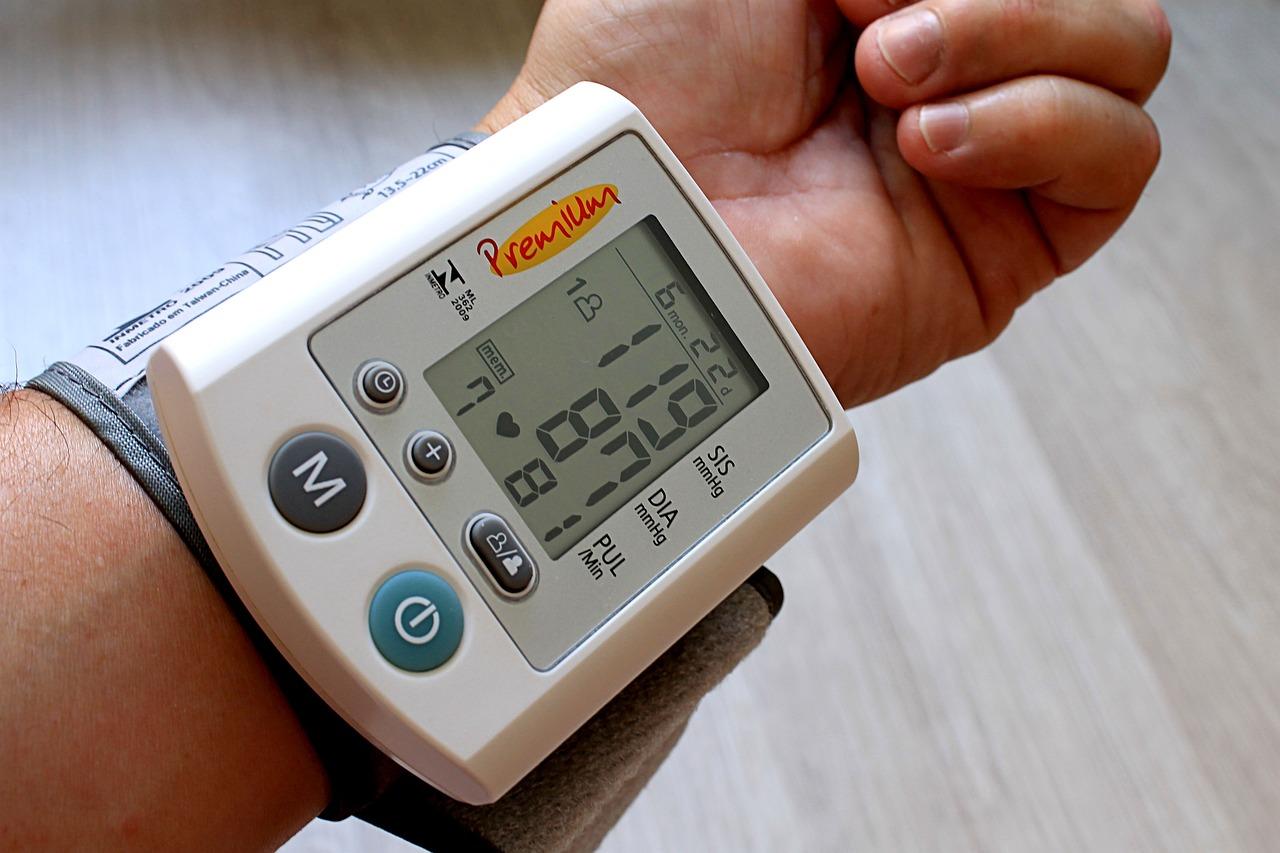
A growing concern is masked hypertension — normal readings in the clinic but higher at home. Research suggests it may affect a significant proportion of adults, making home monitoring important.
Why it matters:
Persistent high blood pressure is a leading cause of heart attacks, heart failure and vascular dementia.
What helps:
NHS-approved home blood pressure monitors
Reducing salt intake
Regular physical activity
Limiting alcohol
Weight management
Sleep improvement
If your home readings are consistently high, share them with your GP.
A widespread nutritional gap after midlife.
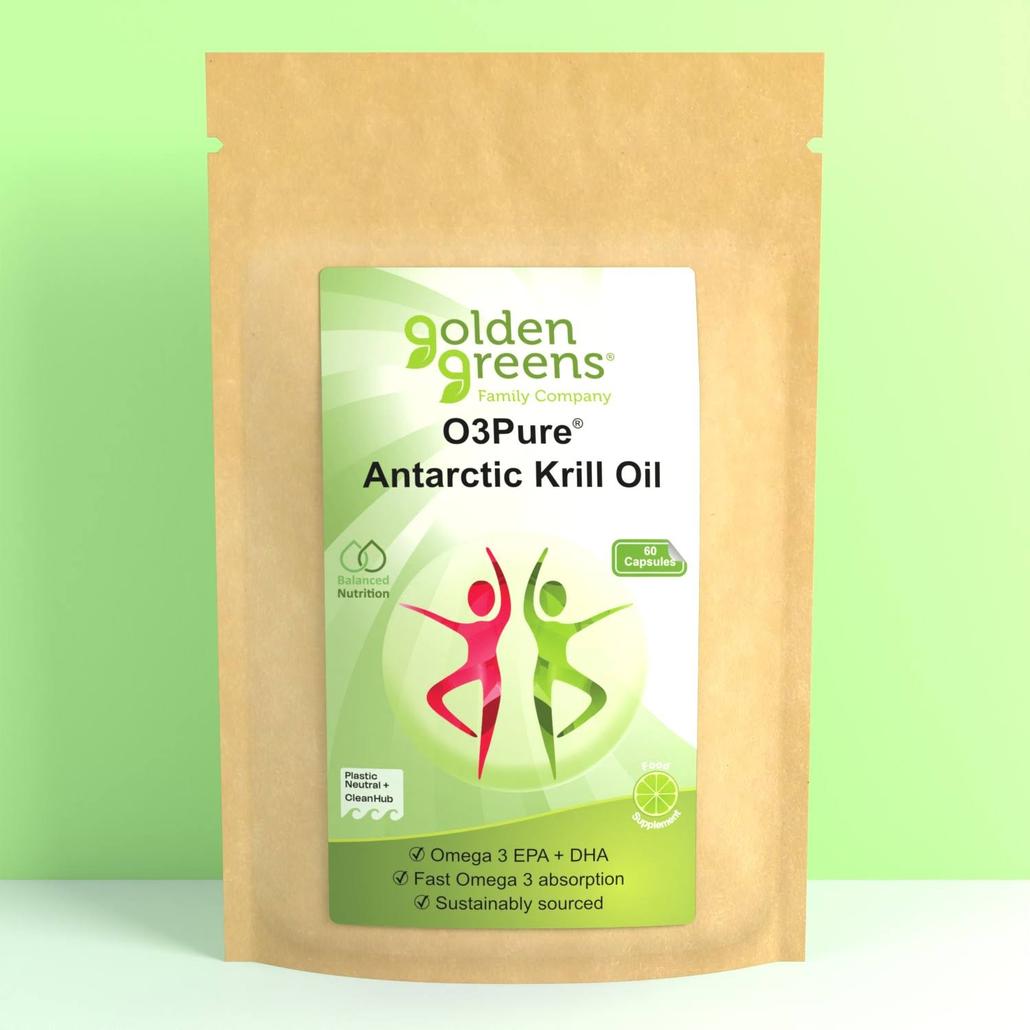
Intake of oily fish declines with age, and conversion of plant omega-3 (ALA) into EPA/DHA is inefficient at all ages — generally under 10%.
Low EPA/DHA levels are associated with:
Higher triglycerides
Stiffer arteries
Increased inflammatory activity
What helps:
Eating oily fish twice weekly (salmon, mackerel, sardines)
Including plant sources (walnuts, flax, chia) where helpful
Maintaining consistent weekly intake
Long sitting periods independently increase cardiovascular risk.
UK Biobank data shows that sitting for long periods raises cardiovascular risk even in people who meet NHS exercise guidelines.
Why? Because sedentary time affects:
Blood flow
Insulin sensitivity
Inflammatory pathways
What helps:
Standing or walking for 1–2 minutes every 30–45 minutes during long sitting periods
Avoiding long stretches of evening inactivity
Adding frequent “movement snacks” into your day

An under-recognised cardiovascular risk after midlife.
Poor sleep becomes more common with age, and large-scale UK studies link short sleep (<6 hours), irregular sleep patterns and sleep apnoea with increased cardiovascular risk.
Why it matters:
Sleep affects:
Blood pressure regulation
Glucose metabolism
Cortisol levels
Inflammatory markers
What helps:
Consistent sleep and wake times
Limiting caffeine after lunchtime
Early daylight exposure
A wind-down routine before bed
A surprisingly significant — and often overlooked — heart risk.
Evidence from the British Heart Foundation, the NHS and cohort studies shows that gum disease (periodontitis) is linked with higher rates of heart disease and stroke.
This doesn't mean gum disease directly causes heart disease - the relationship is associative rather than definitively causal - but the biological mechanism is plausible:
Inflamed gums allow bacteria to enter the bloodstream, and these bacteria are thought to contribute to arterial inflammation. In addition, gum disease raises whole-body inflammatory markers such as CRP.
Age-related gum recession makes plaque harder to control, increasing the importance of dental care.
What helps (NHS guidance):
Daily flossing or interdental brushing
Twice-daily brushing with fluoride toothpaste
Routine dental check-ups
Managing dry mouth
Reducing sugary snacks

A quiet but powerful heart risk backed by UK evidence.
This is one of the most genuinely “hidden” cardiovascular risks — and one of the most relevant for adults over 50.
UK Biobank studies show that social isolation increases heart disease risk by around 30–40%.
Mechanisms include:
Chronic stress and elevated cortisol
Increased inflammation
Poorer sleep
Less consistent health behaviours
Reduced motivation for activity or good nutrition
The UK government has even appointed a Minister for Loneliness, highlighting the scale of the issue.
What helps:
Regular contact with family or friends
Joining community groups or classes
Volunteering
Walking groups or social exercise
Video calls if mobility is limited
Even modest increases in meaningful social interaction can significantly improve overall wellbeing.
Lifestyle changes are powerful, but it’s important to seek medical advice if you experience:
Persistent chest discomfort or tightness
Unexplained breathlessness
Irregular heartbeat or palpitations
Swelling in the legs or ankles
Persistent fatigue unrelated to sleep
Home blood pressure readings consistently above NHS thresholds
These symptoms warrant professional assessment.
Heart health is shaped by more than cholesterol. A modern, evidence-based view includes:
Inflammation (including vitamin D status)
Blood pressure patterns
Omega-3 levels
Sedentary time
Sleep quality
Gum and dental health
Social connection
These areas are all modifiable — and improving even one can support better cardiovascular health.

1. What’s the single best place to start?
Most people benefit most quickly from:
Increasing fibre
Cutting long sitting periods
Improving sleep consistency
Eating oily fish weekly
Daily flossing or interdental brushing
Increasing meaningful social interaction
2. How do I arrange an NHS Health Check?
If you’re 40–74, contact your GP practice and ask to book your free NHS Health Check.
3. Should I test CRP?
A high-sensitivity CRP test can give useful insight into inflammation, but should be interpreted with a GP.
4. Is vitamin D important for heart health?
Vitamin D deficiency is very common in the UK and is linked with poorer inflammation control — a pathway closely related to cardiovascular health. The UK government recommends a daily 10μg supplement during autumn and winter for all adults, and year-round for people over 65, those with limited sun exposure, or those with darker skin tones, who are at higher risk of deficiency.
5. How does oral health affect the heart?
Gum disease increases whole-body inflammation and may contribute to arterial irritation. Keeping gums healthy reduces inflammatory burden.
6. How can I reduce loneliness or isolation?
Joining groups, volunteering, regular calls, walking with others or reconnecting with old friends can all help — even small steps matter.
This article is for general information only and is not intended to treat or diagnose medical conditions. If in doubt please check with your GP first.
References:
NHS: Cardiovascular disease prevention guidelines; Health Check programme; oral health advice.
British Heart Foundation: Gum disease and heart health; risk factors.
UK Biobank: Studies on inflammation, sleep, sedentary time, social isolation and cardiovascular outcomes (2018–2024).
Akbaraly et al., European Heart Journal: Inflammation and cardiovascular mortality.
Diaz et al., JAMA: Sedentary behaviour and cardiovascular risk.
Delgado et al., Lancet Public Health: Sleep duration and heart outcomes.
Tonetti & Van Dyke, Journal of Clinical Periodontology: Periodontal disease and systemic inflammation.
Public Health England (now OHID): Vitamin D recommendations.

Mediterranean Diet Slashes Early Death Risk in Women by Nearly 25%, Study Finds

Bananas: Effective in Lowering Blood Pressure New Study Suggests

Shedding Just 5%: The Small Weight Loss with Massive Benefits