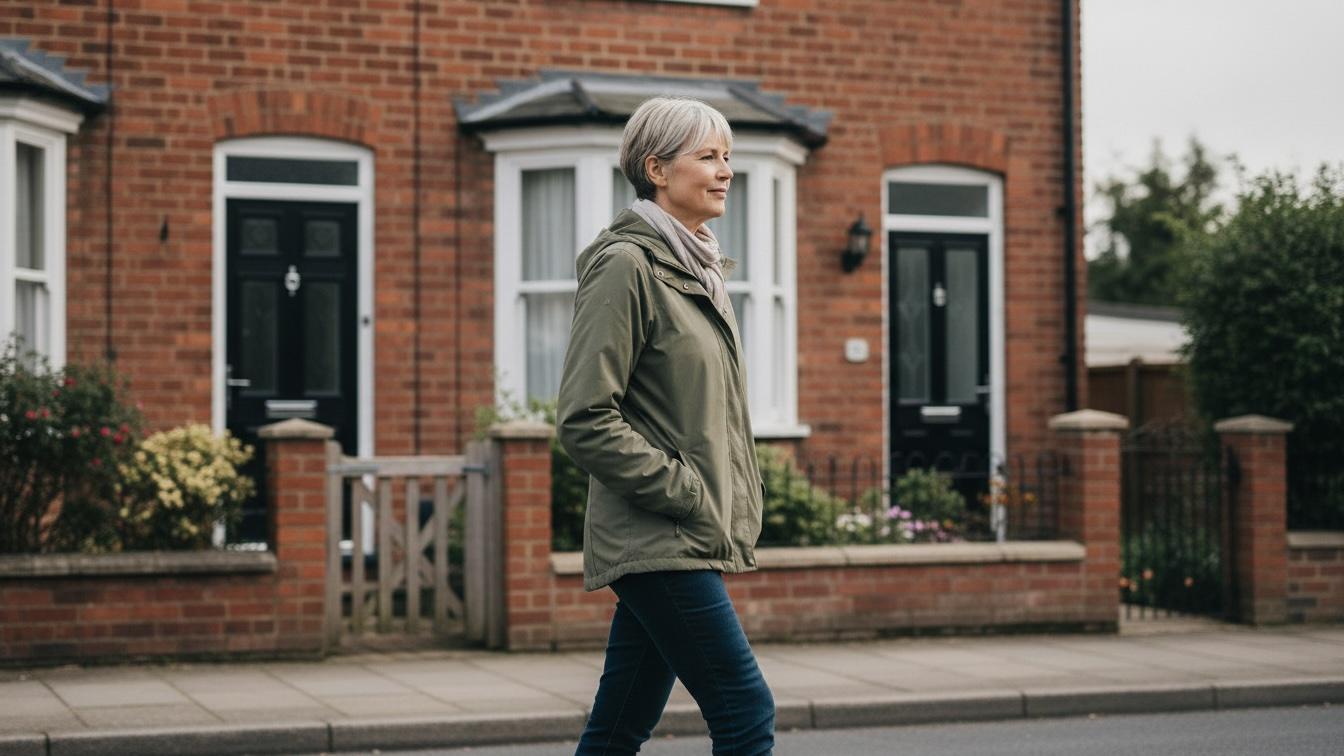
A major new study published in The Lancet suggests that very small increases in daily movement may be linked to meaningful reductions in early death — particularly for people who are currently inactive.
The findings have attracted attention because they challenge a common assumption: that health benefits only come from large, structured exercise routines.
Instead, the research suggests that even modest, realistic changes in everyday movement may matter, especially at a population level.
Here’s what the study actually found, how it was carried out, and what it means in practical terms.
The research, published in The Lancet, analysed data from more than 135,000 adults across several countries, including the UK, Sweden, Norway and the United States.
Participants wore activity trackers, allowing researchers to measure movement objectively rather than relying on self-reported exercise. This makes the findings more reliable, as people tend to over- or under-estimate how active they are.
The researchers tracked people over several years and examined how small changes in daily movement and sitting time were associated with the risk of death.
It’s important to note that this was an observational study. It identifies patterns across large groups of people, rather than proving cause and effect in individuals.
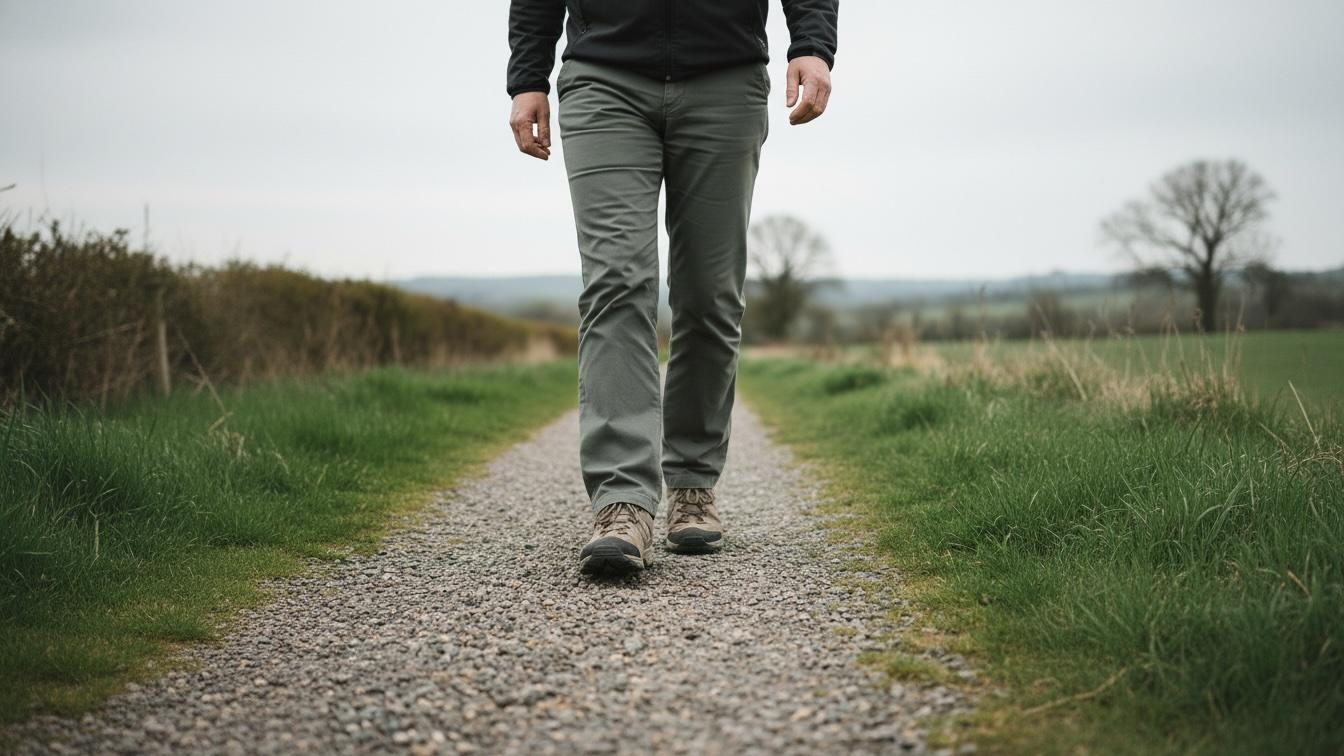
The most striking result was how little additional movement was associated with benefit.
The researchers modelled what would happen if people — particularly those who were least active — added just five minutes a day of moderate-to-vigorous physical activity (that is, activity that raises your heart rate and breathing).
They found that:
Around 6% fewer deaths among the least active individuals
Around 10% fewer deaths across the wider population (excluding the most active)
After this first mention, it’s helpful to think of this simply as brisk or moderately intense activity — such as brisk walking, cycling, swimming, or active gardening.
As one of the study’s authors, Professor Maria Hagströmer, explained:
“These results show that small steps can have a large impact. You don’t need to run marathons — just a few extra minutes of brisk walking each day can make a difference.”
This neatly captures the study’s central message: health benefits are not reserved for people who already exercise a lot.
The study didn’t only look at exercise. It also examined sedentary time, such as sitting.
Replacing 30 minutes of sitting per day with light activity was associated with:
Around 3% fewer deaths among the least active people
Up to 7% fewer deaths across the population as a whole
In practical terms, this doesn’t mean adding a workout. It could include things like standing while taking phone calls, getting up every hour to move around, or swapping some seated time for gentle movement around the house.
The reductions were smaller than those seen with brisk activity, but still meaningful — especially when considered across large populations.
There are three reasons this research is particularly important:
1. It focuses on people who are least active
Most of the benefit was seen among people starting from very low activity levels. That matters because these are the people at highest risk, and also the group most likely to feel discouraged by traditional exercise advice.
It’s worth noting that many UK adults fall below NHS activity guidelines, so this situation is far from unusual.
2. It uses objective activity data
By using wearable devices rather than questionnaires, the researchers were able to capture movement more accurately.
3. It quantifies very small changes
We already know that being active is linked to longer life. What’s new here is the demonstration that even small, achievable increases in movement are associated with benefit, particularly for those who are currently inactive.
This shifts the conversation away from “doing everything right” towards doing a little more than you do now.
This section is important for keeping expectations realistic.
The study shows associations, not proof that five extra minutes of movement causes longer life in any one person.
It does not replace existing NHS physical activity guidelines.
It does not mean that five minutes a day is “enough” for optimal health.
Instead, it shows that health benefits appear on a spectrum, and that the first steps away from inactivity may deliver some of the biggest relative gains.
The NHS recommends that adults aim for:
At least 150 minutes of moderate activity per week, or
75 minutes of vigorous activity, plus
Muscle-strengthening activities on two days per week
This new research doesn’t contradict that advice. Instead, it helps explain why getting started matters, even if you’re nowhere near those targets yet.
For someone who is largely sedentary, five extra minutes a day can be the beginning of a meaningful shift — not the final goal.
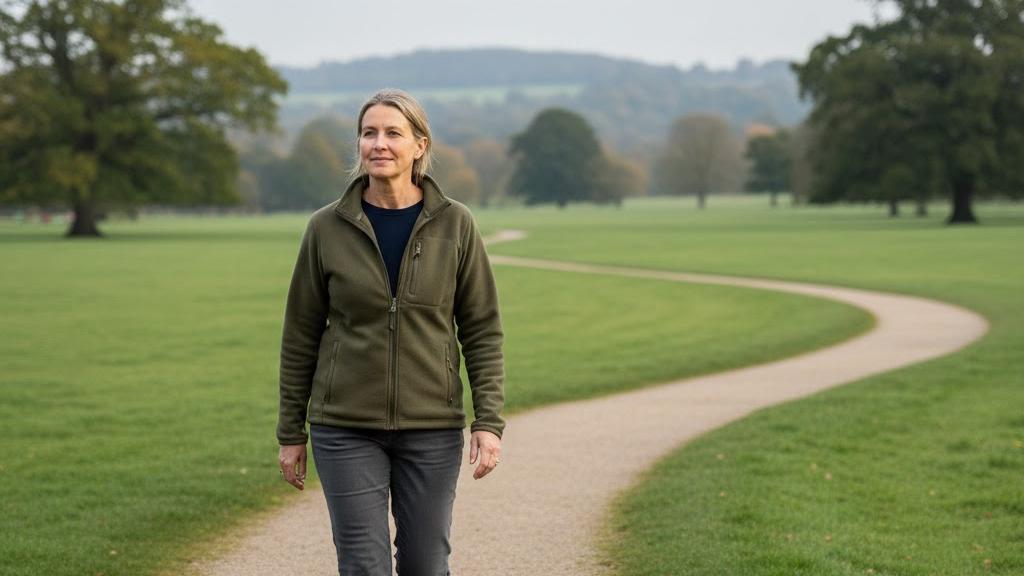
Five minutes of brisk or moderately intense activity could include:
A brisk walk during your lunch break
Walking up hills or stairs rather than taking lifts
Cycling to the local shops
Swimming a few lengths
Active gardening or housework done at pace
A short walk before dinner or in the evening
If helpful, this time doesn’t necessarily have to be continuous. For some people, two or three short bursts spread across the day may feel more manageable, especially when starting out.
The study’s message is not about perfection. It’s about movement adding up over time.
This research fits into a consistent pattern seen across large studies, including UK Biobank research:
Moving more is linked to a lower risk of early death
The biggest relative gains often occur when people move from very low activity to some activity
Benefits tend to level off at higher activity levels, rather than increasing endlessly
In other words, doing something is far better than doing nothing — and doing a bit more than you do now is usually worthwhile.
This Lancet study reinforces a simple but encouraging message: you don’t need dramatic lifestyle changes to start improving your long-term health.
As Professor Maria Hagströmer put it:
“These results show that small steps can have a large impact. You don’t need to run marathons — just a few extra minutes of brisk walking each day can make a difference.”
For many people, that makes the idea of moving more feel not just sensible — but achievable.

1. Does this mean five minutes of exercise a day is enough?
No. Five minutes is not a recommendation or target. It’s an example showing that even small increases from a low starting point are associated with benefit. More activity generally brings more benefit, up to a point.
2. Is brisk walking really enough to count?
Yes. Brisk walking is classed as moderate-intensity activity and is consistently linked with better health outcomes in large studies.
3. What if I already exercise regularly?
If you’re already active, the additional benefit from five extra minutes is likely to be smaller. This study is most relevant for people who are currently inactive or spend much of the day sitting.
4. Does sitting less help even if I don’t exercise?
Reducing sitting time appears to help modestly, but the strongest benefits were seen when sitting was replaced with brisk or more energetic movement.
5. Is this advice suitable for older adults?
In general, yes — provided activity is appropriate to individual ability and health. Walking, swimming and gentle cycling are often well tolerated, but medical advice should be sought if there are concerns.
This article is for general information only and is not intended to treat or diagnose medical conditions. If in doubt please check with your GP first.
References:
Ekelund C, et al. Deaths potentially averted by small changes in physical activity and sedentary time: an individual participant data meta-analysis of prospective cohort studies with up to 135,046 men and women. The Lancet. 2026; published online Jan 2026. Device-measured increases in moderate-to-vigorous activity and reductions in sedentary time were linked with reduced all-cause mortality at the population level.
Karolinska Institutet News. Five extra minutes of movement a day can save lives, study in The Lancet finds. Karolinska Institutet press release, 2026. Report summarising key results and co-author quotes.
THE LANCET + eCLINICALMEDICINE: Two studies on small changes in activity, sleep and diet and their impact on mortality. Press release, 2026 (includes expansion on longer sedentary time reductions and activity increments).
Mediterranean Diet Slashes Early Death Risk in Women by Nearly 25%, Study Finds

Bananas: Effective in Lowering Blood Pressure New Study Suggests
Shedding Just 5%: The Small Weight Loss with Massive Benefits