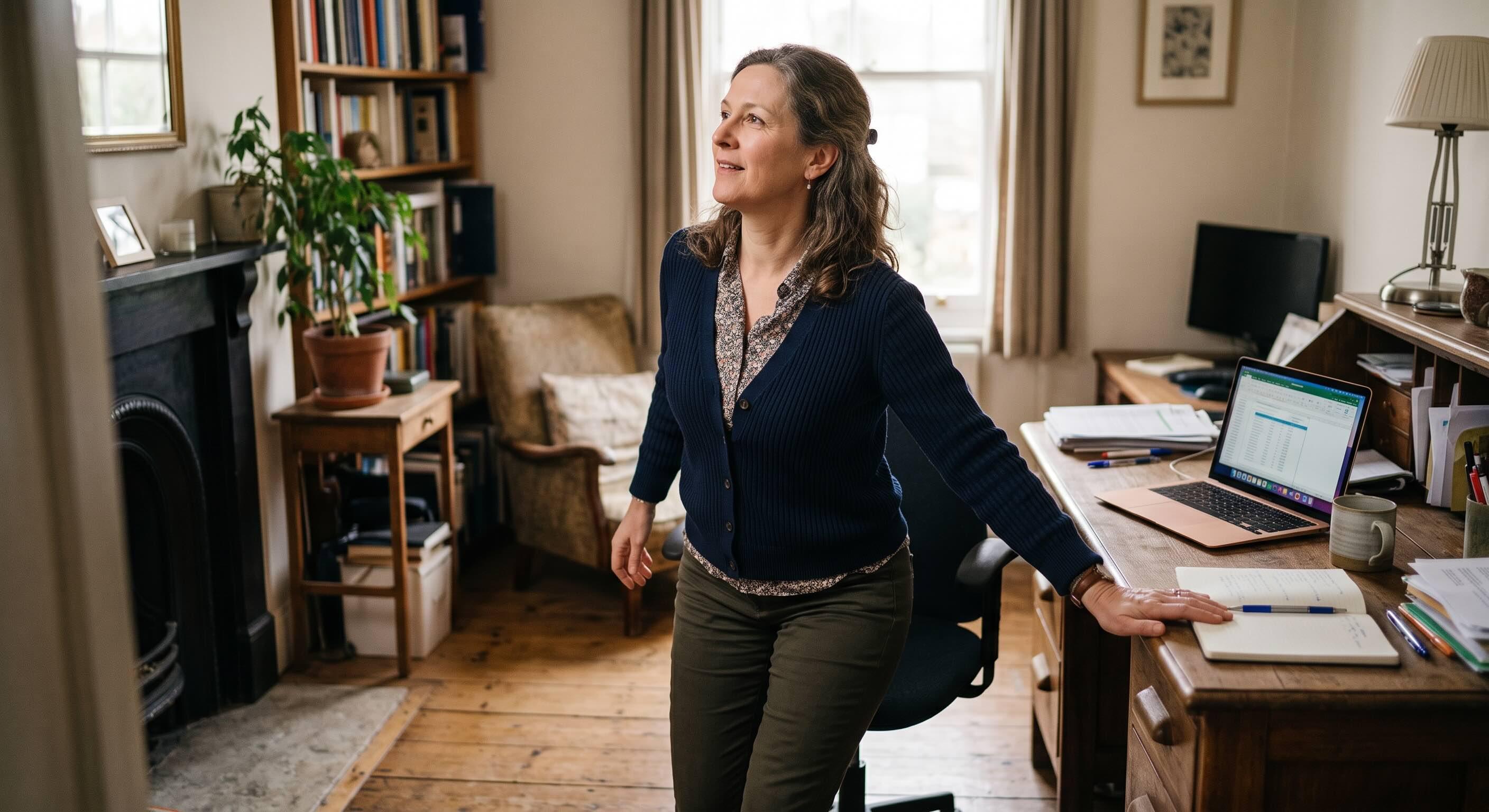
You can go for a brisk walk every day.
You can visit the gym several times a week.
You can even meet the NHS recommendation for weekly exercise.
Yet according to new research, you could still be spending too much of your day sitting.
That may sound surprising, but one of the biggest developments in health research over the past decade is the growing understanding that exercise and sitting are not simply opposites.
Regular exercise is essential, but researchers now believe that how often we interrupt long periods of sitting may also play an important role in our long-term health.
For many years, health advice has focused on getting enough exercise each week—and rightly so. However, researchers are increasingly asking a different question: does it also matter how long we spend sitting without getting up? This latest study was designed to explore exactly that.
A major UK study involving 91,292 adults found:
People who regularly spent long periods sitting without getting up had a higher risk of dying from cancer during the study period than those who interrupted their sitting more frequently.
Each additional hour per day spent in prolonged sitting bouts was associated with around a 9% higher risk of dying from cancer.
Replacing an hour of prolonged sitting with light physical activity, such as gentle walking or household tasks, was associated with an estimated 12% lower risk of dying from cancer.
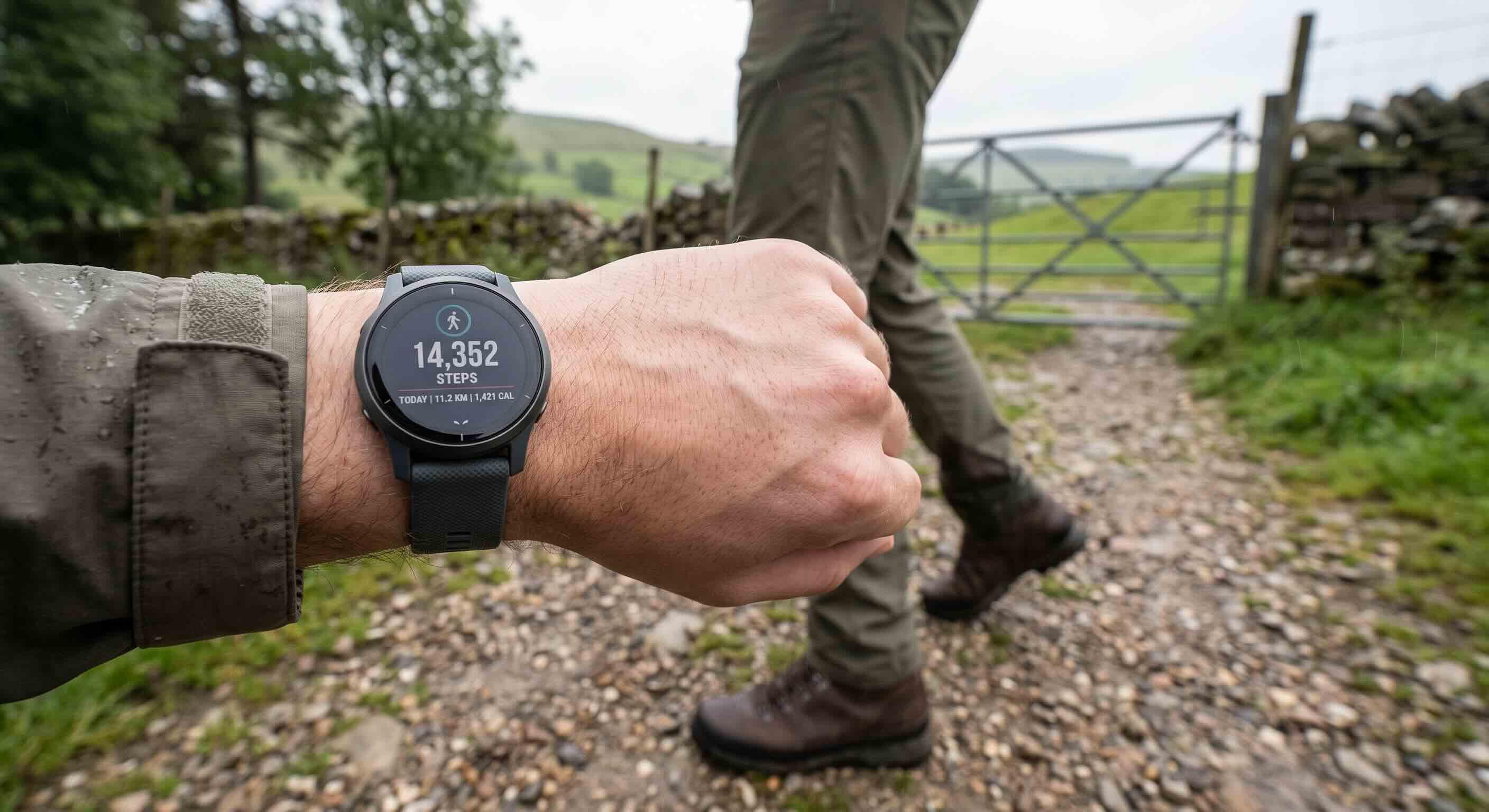
The study, published in PLOS Medicine (2026), analysed data from 91,292 participants in the UK Biobank.
Rather than asking participants to estimate how much they sat each day, researchers measured movement directly using wearable activity monitors.
Objective measurements like these are generally considered less prone to recall bias than self-reported questionnaires.
Participants were then followed for a median of more than 12 years, allowing researchers to examine how different patterns of sedentary behaviour related to cancer outcomes.
The most interesting aspect of the study wasn't simply that people who sat for longer had poorer outcomes. It was that how they sat appeared to matter.
Rather than total sitting time alone, researchers found that people who regularly interrupted long periods of sitting with movement tended to have better outcomes than those who remained seated for long, uninterrupted periods.
This suggests that breaking up prolonged sitting may be beneficial, even if only for a minute or two at a time.
The researchers were careful to emphasise that these findings show an association rather than cause and effect. Many factors influence our health, and observational studies cannot prove that one behaviour directly causes another outcome.
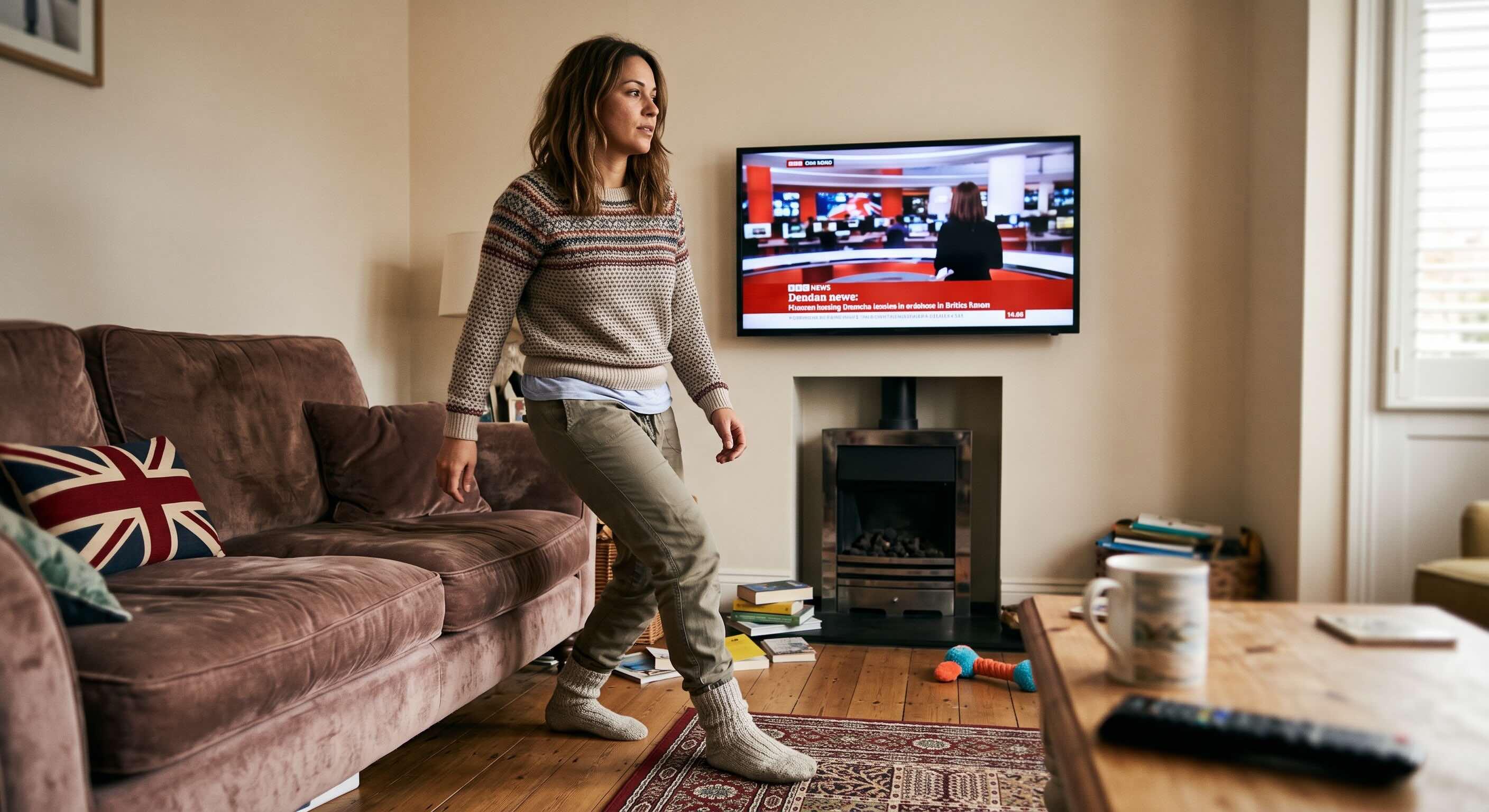
Our bodies are designed for regular movement.
When we remain seated for prolonged periods, muscle activity falls dramatically. Blood circulation slows, calorie expenditure decreases and the body's ability to regulate blood sugar becomes less efficient.
Scientists think one possible explanation is that prolonged sitting may contribute to low-grade chronic inflammation, which has been linked to a number of long-term conditions including cardiovascular disease, type 2 diabetes and several cancers.
Researchers are still investigating the exact biological mechanisms involved, but one thing is becoming increasingly clear: regular movement appears to help reverse many of these short-term changes.
Perhaps the most interesting finding wasn't simply that prolonged sitting was linked with poorer health.
It was that people who meet the recommended exercise guidelines may still benefit from standing up and moving more often throughout the day.
For many years, health advice focused almost entirely on encouraging people to exercise.
That advice remains just as important today.
However, researchers now recognise that someone can complete a 30-minute walk every evening and still spend most of the remaining day sitting.
Likewise, someone who never sets foot in a gym may spend much of the day walking, gardening, climbing stairs or doing household jobs.
In other words, regular exercise and reducing prolonged sitting are two separate healthy behaviours, and both appear to matter.
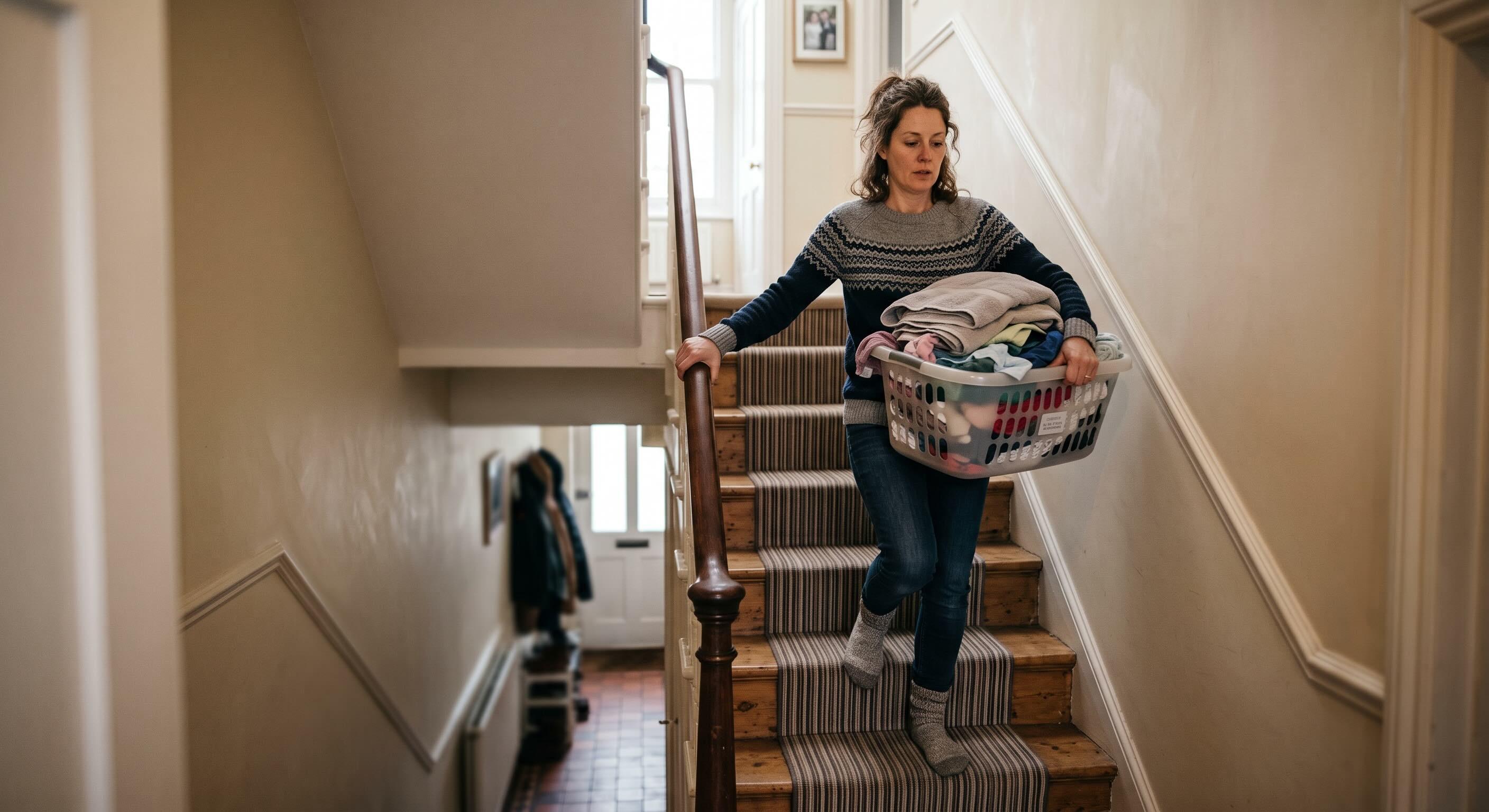
As we get older, many of us naturally become less active. Retirement, working from home, driving more and spending longer reading or watching television can all increase the amount of time we spend sitting.
At the same time, the NHS notes that maintaining muscle strength, balance and regular physical activity becomes increasingly important with age, helping people stay independent and reducing the risk of falls and other health problems.
While the current study wasn't specifically about older adults, it highlights the importance of finding regular opportunities to stand up and move throughout the day.
Even short periods of movement may help reduce long, uninterrupted bouts of sitting.
This new study does not stand alone.
Numerous large studies conducted over the past decade have linked prolonged sedentary behaviour with an increased risk of cardiovascular disease, type 2 diabetes and premature death.
Although these studies cannot prove that sitting directly causes these conditions, the consistency of the findings has strengthened the case for reducing prolonged periods of sitting as part of a healthy lifestyle.
Large systematic reviews involving hundreds of thousands of participants have reached similar conclusions, while the World Health Organization now recognises excessive sedentary behaviour as an important public health issue.
Increasingly, researchers are focusing not only on how much we sit, but also how we sit. Breaking up prolonged periods of sitting with even brief periods of movement appears to offer additional benefits beyond formal exercise alone.
Although more research is still needed, the overall direction of evidence has become remarkably consistent.
The NHS recommends that adults should:
Aim for at least 150 minutes of moderate-intensity physical activity each week, such as brisk walking or cycling.
Carry out muscle-strengthening activities on at least two days each week.
Reduce the amount of time spent sitting or lying down whenever possible.
The NHS does not specifically recommend standing up every 30 minutes. However, it does encourage adults to avoid prolonged periods of sitting and to move regularly throughout the day.
Fortunately, this doesn't require major lifestyle changes. Simple habits can make a real difference, including:
Standing whenever you answer the phone.
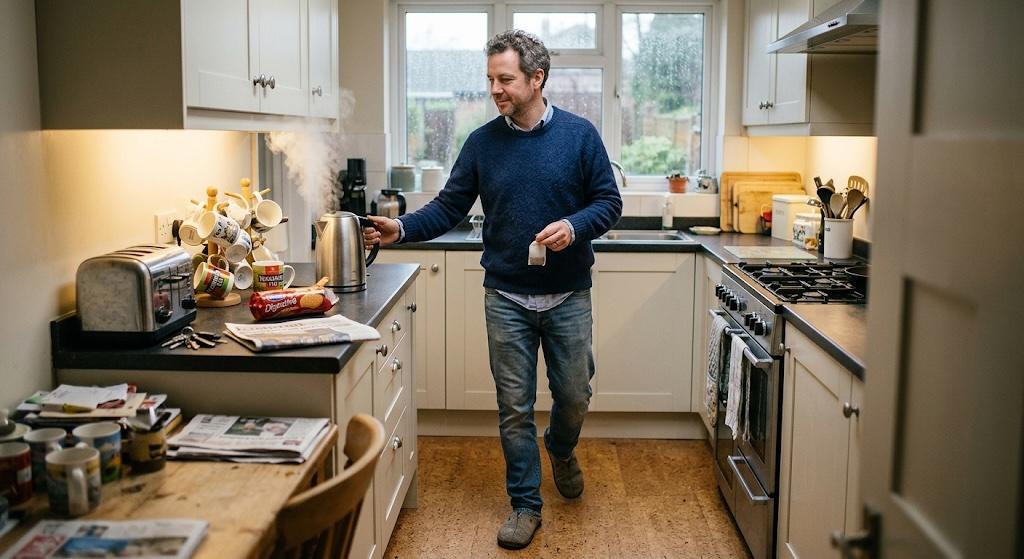
Walking while waiting for the kettle to boil.
Taking a short walk after lunch.
Standing up between television programmes.
Using the stairs instead of the lift whenever practical.
Setting a reminder to stand up every 30 to 60 minutes.
Walking over to speak to a colleague instead of sending a message.
Although the findings are encouraging, it's important not to overstate them.
The study does not prove that sitting for more than 30 minutes causes cancer.
Cancer develops for many different reasons, including genetics, smoking, alcohol consumption, obesity, diet and other lifestyle and environmental factors.
While researchers adjusted for many of these influences, observational studies cannot account for every possible difference between people.
Instead, this research should be viewed as another important piece of evidence suggesting that reducing prolonged periods of sitting may contribute to better long-term health.
One of the most interesting messages from this research is that health isn't just about finding time to exercise—it's also about finding reasons to move throughout the day.
Modern life encourages us to sit more than ever before, whether we're working at a computer, driving, reading or relaxing in front of the television.
You don't have to stand up every 30 minutes exactly. The important message isn't a strict time limit—it's simply to avoid sitting still for long periods whenever it's practical to move.
The encouraging news is that reducing prolonged sitting doesn't require expensive equipment or a gym membership.
Standing up while the kettle boils, stretching your legs, taking the stairs or walking during a phone call may seem like small actions, but repeated day after day they can help reduce prolonged periods of sitting.
Perhaps the simplest message from this research is this: don't just make time to exercise—make time to move throughout the day.
This study cannot prove that these simple habits will prevent cancer or other diseases. However, together with regular exercise, a balanced diet, maintaining a healthy weight and not smoking, regular movement throughout the day could be one of the simplest ways to support your long-term health.

1. Is sitting for more than 30 minutes harmful?
This study found that prolonged, uninterrupted sitting was associated with poorer cancer outcomes, including a higher risk of dying from cancer during the study period. However, it does not prove that sitting itself causes disease.
2. Does standing up every 30 minutes prevent cancer?
No. The research found an association rather than proof of cause and effect. Standing up regularly should be viewed as one part of an overall healthy lifestyle.
3. If I exercise regularly, does sitting still matter?
Yes, it may. One of the key messages from this research is that regular exercise and reducing prolonged sitting appear to be two separate healthy behaviours.
4. How much exercise does the NHS recommend?
Adults should aim for at least 150 minutes of moderate-intensity physical activity each week, together with muscle-strengthening activities on at least two days each week.
5. What's the easiest way to reduce prolonged sitting?
Simple habits such as standing during phone calls, taking the stairs, walking after meals or setting a reminder to stand up every 30 to 60 minutes can all help reduce long periods of uninterrupted sitting.
This article is for general information only and is not intended to treat or diagnose medical conditions. If in doubt please check with your GP first.
Ho FK, et al. Accelerometry-measured prolonged and interrupted sedentary behaviour and cancer incidence and mortality: A cohort study of 91,292 UK Biobank participants. PLOS Medicine. 2026.
NHS. Physical activity guidelines for adults.
World Health Organization. WHO Guidelines on Physical Activity and Sedentary Behaviour. Geneva: World Health Organization; 2020.
Ekelund U, et al. Does physical activity attenuate, or even eliminate, the detrimental association of sitting time with mortality? A harmonised meta-analysis of data from more than one million men and women. The Lancet. 2016;388(10051):1302–1310.
Biswas A, et al. Sedentary time and its association with risk for disease incidence, mortality, and hospitalisation in adults: A systematic review and meta-analysis. Annals of Internal Medicine. 2015;162(2):123–132.
NHS. Physical activity guidelines for older adults.

Mediterranean Diet Slashes Early Death Risk in Women by Nearly 25%, Study Finds

Bananas: Effective in Lowering Blood Pressure New Study Suggests
Shedding Just 5%: The Small Weight Loss with Massive Benefits