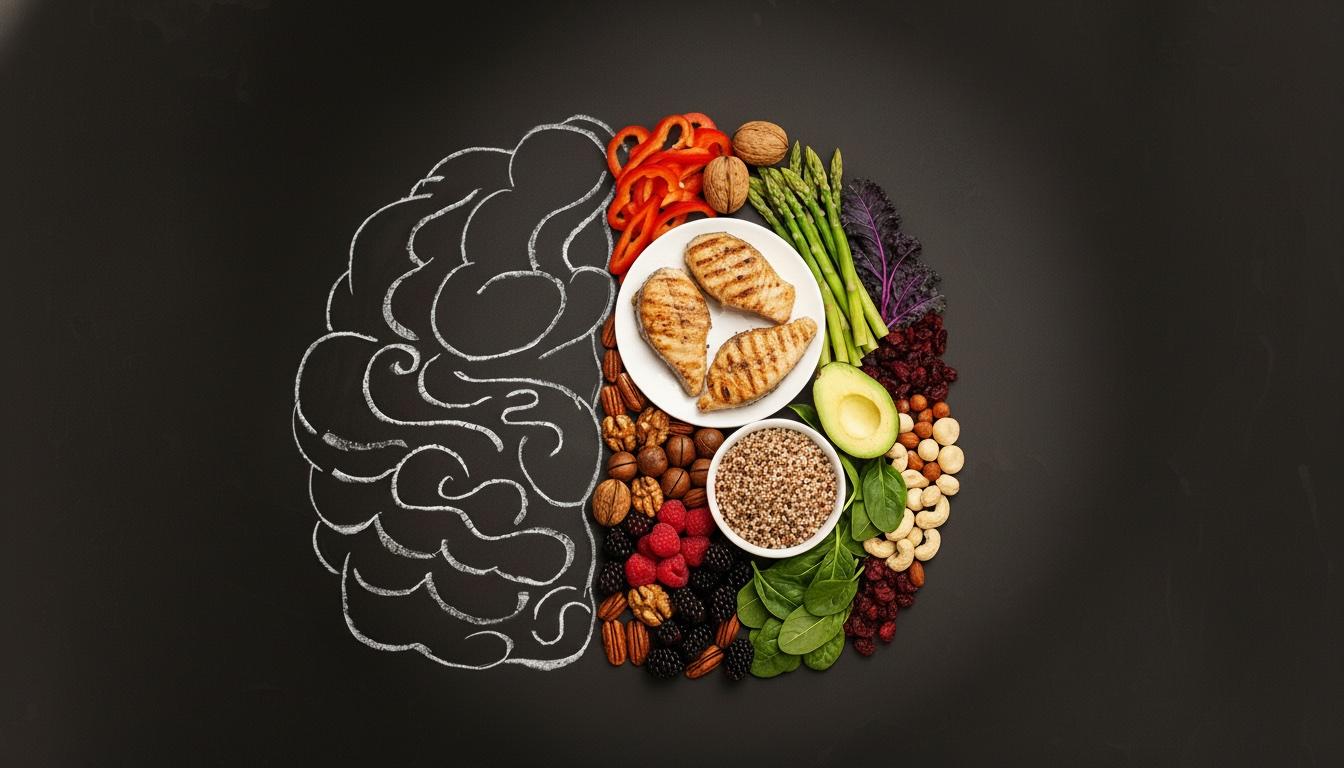
Most people think of brain health in terms of memory.
But long before memory problems appear, subtle physical changes are already taking place inside the brain — including gradual shrinkage of key areas involved in thinking, learning and decision-making.
A new study published in the Journal of Neurology Neurosurgery & Psychiatry suggests that what you eat may influence how quickly these changes happen.
What makes this interesting is not just that these changes happen — but that the rate at which they happen may not be the same for everyone.
“People who adhered more closely to the MIND diet seemed to show slower structural brain ageing over about 12 years of follow-up,” said senior author Changzheng Yuan, a research professor at Zhejiang University.
Researchers analysed data from 1,647 adults with available dietary and MRI data from the Framingham Heart Study.
Participants were followed for an average of around 12 years, with repeated MRI scans used to track changes in brain structure.
As expected with ageing, all participants showed gradual changes, including:
Reductions in total brain volume
Loss of grey matter (important for memory and processing)
Enlargement of fluid-filled spaces in the brain (a marker of atrophy)
However, those who followed the MIND diet more closely showed slower rates of change.
Each 3-point increase in adherence to the diet was associated with:
A slower rate of grey matter loss — around 20% slower in this study
Changes equivalent to approximately 2.5 years’ slower brain ageing, based on the study’s modelling of MRI data over time
Reduced expansion of ventricles, which reflects lower levels of tissue loss
Put simply, people eating more in line with this pattern appeared to maintain brain structure for longer.
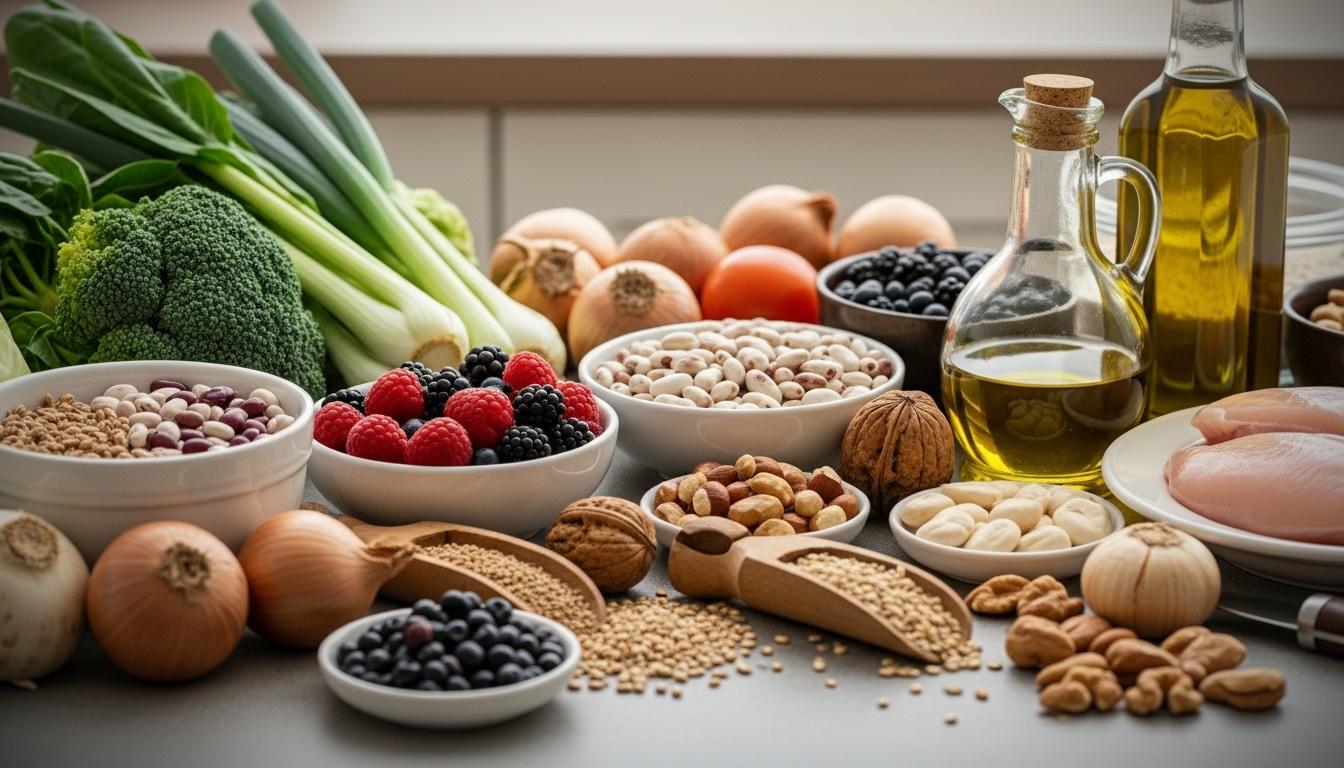
The MIND diet combines elements of the Mediterranean diet and the DASH (blood pressure-lowering) diet.
It focuses on foods thought to support both brain and vascular health.
Green leafy vegetables (such as spinach and kale)
Other vegetables
Berries
Nuts
Beans and pulses
Whole grains
Fish
Poultry
Olive oil
Fried and fast foods
Pastries and sweets
Red meat
Butter and margarine
Cheese (in excess)
Many of these recommendations align broadly with UK guidance from the NHS, which encourages a balanced diet rich in vegetables, fibre, and healthy fats.
What stood out was not just what people ate — but how these patterns appeared to influence changes within the brain over time.

Some individual foods appeared to play a particularly strong role in the results.
Berries were linked to slower increases in ventricular volume
Poultry was associated with both slower tissue loss and better preservation of grey matter
Sweets and fried foods were linked to faster structural changes associated with brain ageing
The researchers suggest that antioxidant-rich foods may help reduce oxidative stress, while highly processed foods may contribute to inflammation and vascular damage.
Not all findings aligned with existing evidence
Higher intake of whole grains was associated with less favourable brain changes in this analysis, while higher cheese intake showed some protective associations.
These results differ from a wider body of evidence — particularly for whole grains, which are generally associated with improved heart and metabolic health.
As this is a single observational study, these findings should be interpreted with caution. Overall dietary pattern is likely to be more important than any one individual food.
The associations observed were stronger in:
Older adults
Those who were physically active
People without obesity
This reinforces a consistent message seen across many studies — that diet works best as part of a broader lifestyle approach, alongside regular physical activity, weight management, and overall cardiovascular health.

This isn’t about following a strict or complicated diet.
Small, consistent changes are likely to matter most over time.
For example:
Adding berries a few times per week
Using olive oil instead of butter
Including more vegetables and beans in meals
Reducing ultra-processed foods and sugary snacks
These changes also align with wider NHS advice on supporting heart health — which is closely linked to brain health.
As with all studies of this kind, there are some important caveats:
This was an observational study, so it cannot prove cause and effect
Dietary intake was based on questionnaires, which rely on memory
Participants were predominantly White, which may limit wider applicability
Other factors, including genetics and changes in diet over time, may have influenced the results
Even so, the findings add to a growing body of evidence suggesting that diet plays a meaningful role in how the brain ages.
Age-related changes in the brain are a normal part of ageing.
But how quickly they happen may not be entirely fixed.
This study suggests that a dietary pattern rich in vegetables, berries, healthy fats and whole foods — and lower in highly processed foods — may help slow some of the structural changes linked to brain ageing.
It’s not a guarantee, and it’s not a replacement for medical care.
But it offers a useful reminder that everyday choices — including what we eat — can have long-term effects on how we feel and function as we get older.

1. Does the MIND diet prevent dementia?
No. This study does not show that the MIND diet prevents dementia. It found an association between the diet and slower structural changes in the brain. Dementia risk is influenced by many factors, including genetics, lifestyle, and overall health.
2. How quickly could diet affect brain health?
Changes in brain structure happen gradually over many years. In this study, participants were followed for around 12 years, suggesting that long-term dietary habits are what matter most.
3. Is this different from the Mediterranean diet?
The MIND diet is based on the Mediterranean diet but places extra emphasis on foods linked to brain health, particularly green leafy vegetables and berries.
4. Do I need to follow the diet strictly?
No. The study showed benefits with higher adherence, but not perfection. Even moderate improvements in diet were associated with slower brain ageing in this study.
5. What’s the link between heart health and brain health?
They are closely connected. The NHS highlights that conditions such as high blood pressure, obesity, and type 2 diabetes can increase the risk of cognitive decline. A diet that supports heart health often supports brain health too.
6. Should I avoid whole grains based on this study?
No. This finding was unexpected and contrasts with a large body of existing research showing benefits of whole grains for cardiovascular and metabolic health. It’s best viewed as an isolated result rather than a reason to change established dietary advice.
7. Is exercise still important for brain health?
Yes. Physical activity is consistently linked to better cognitive health and was associated with stronger findings in this study. Even regular walking can be beneficial, in line with NHS physical activity guidelines.
This article is for general information only and is not intended to treat or diagnose medical conditions. If in doubt please check with your GP first.
Yuan C, et al. Adherence to the MIND diet and longitudinal brain structural changes over a decade: evidence from the Framingham Heart Study Offspring cohort. Journal of Neurology Neurosurgery & Psychiatry. 2026. doi:10.1136/jnnp-2025-336957
NHS. The Eatwell Guide. https://www.nhs.uk/live-well/eat-well/
NHS. Dementia prevention. https://www.nhs.uk/conditions/dementia/dementia-prevention/
Morris MC, Tangney CC, Wang Y, et al. MIND diet associated with reduced incidence of Alzheimer’s disease. Alzheimer’s & Dementia. 2015;11(9):1007–1014. doi:10.1016/j.jalz.2014.11.009
National Institute for Health and Care Excellence (NICE). Dementia: assessment, management and support for people living with dementia and their carers (NG97). 2018. https://www.nice.org.uk/guidance/ng97

Mediterranean Diet Slashes Early Death Risk in Women by Nearly 25%, Study Finds

Bananas: Effective in Lowering Blood Pressure New Study Suggests

Shedding Just 5%: The Small Weight Loss with Massive Benefits