
Around one in three people born today are expected to develop dementia during their lifetime.[1]
While age remains the biggest risk factor, researchers estimate that up to 45% of dementia cases may be linked to factors that are potentially modifiable, including diet, physical activity, smoking, hearing loss and high blood pressure.[2]
In recent years, scientists have begun investigating another possible contributor: ultra-processed foods.
These foods are often convenient, inexpensive and heavily marketed.
However, a growing number of studies suggest that people who eat more ultra-processed foods may experience faster cognitive decline and face a higher risk of developing dementia.[3,4]
The research does not prove that ultra-processed foods directly cause dementia.
The question now is what these studies actually found — and how seriously we should take them.
Ultra-processed foods (often shortened to UPFs) are foods that have undergone extensive industrial processing and typically contain ingredients that would not normally be used in a home kitchen.[5]
These may include:
Emulsifiers
Artificial flavourings
Colourings
Sweeteners
Preservatives
Modified starches
Common examples include:
Sugary breakfast cereals
Fizzy drinks
Packaged cakes and biscuits
Confectionery
Instant noodles
Processed meats such as bacon, sausages and hot dogs
Many ready meals
Not every processed food is unhealthy. Frozen vegetables, canned beans and wholemeal bread are all processed foods.
The concern relates specifically to heavily manufactured foods that often contain large amounts of added sugar, salt, unhealthy fats and additives.[5]

Ultra-processed foods now make up a substantial proportion of many Western diets.
In the UK, common examples include packaged snacks, processed meats, sugary cereals, confectionery, soft drinks and ready meals.
Researchers are concerned not because these foods are eaten occasionally, but because they can account for a large proportion of daily calorie intake. In some Western countries, it's estimated that ultra-processed foods now account for more than half of the average person’s calorie intake.
Higher consumption of ultra-processed foods has already been linked with obesity, type 2 diabetes and cardiovascular disease. More recently, researchers have begun looking beyond physical health and asking whether these foods may also affect the brain.[3,4]
In 2022, researchers analysed data from more than 70,000 participants in the UK Biobank study.[3]
People consuming the highest amounts of ultra-processed foods had a significantly greater risk of developing dementia than those consuming the lowest amounts.
Importantly, the researchers estimated that replacing just 10% of ultra-processed food intake with minimally processed foods was associated with a 19% lower risk of dementia.[3]
Examples of minimally processed foods include:
Fruit
Vegetables
Beans
Whole grains
Nuts
Fish
These are the types of foods that tend to feature more prominently in dietary patterns associated with better long-term health.
Observational studies cannot prove cause and effect. However, one of the most useful aspects of this study is that it points towards realistic food swaps rather than an all-or-nothing approach.

Further evidence comes from a large study published in JAMA Neurology.[4]
Researchers found that people consuming more ultra-processed foods experienced faster declines in overall cognitive performance and executive function.
Executive function refers to mental abilities such as:
Planning
Decision-making
Problem-solving
Concentration
Self-control
These skills often begin to decline before noticeable memory problems develop.
This study is important because it looked at everyday thinking skills, not just dementia diagnosis.
Scientists are still investigating the biological mechanisms involved, and several explanations have been proposed:
Many ultra-processed foods are associated with higher levels of inflammation throughout the body. Chronic low-grade inflammation has been linked with cardiovascular disease, type 2 diabetes and neurodegenerative conditions.
Researchers believe inflammation may contribute to changes in brain structure and function over time.
Many ultra-processed foods are rapidly digested and absorbed. This can lead to frequent spikes in blood sugar and insulin levels.
Long-term disturbances in blood sugar regulation have been linked with cognitive decline and an increased risk of dementia.
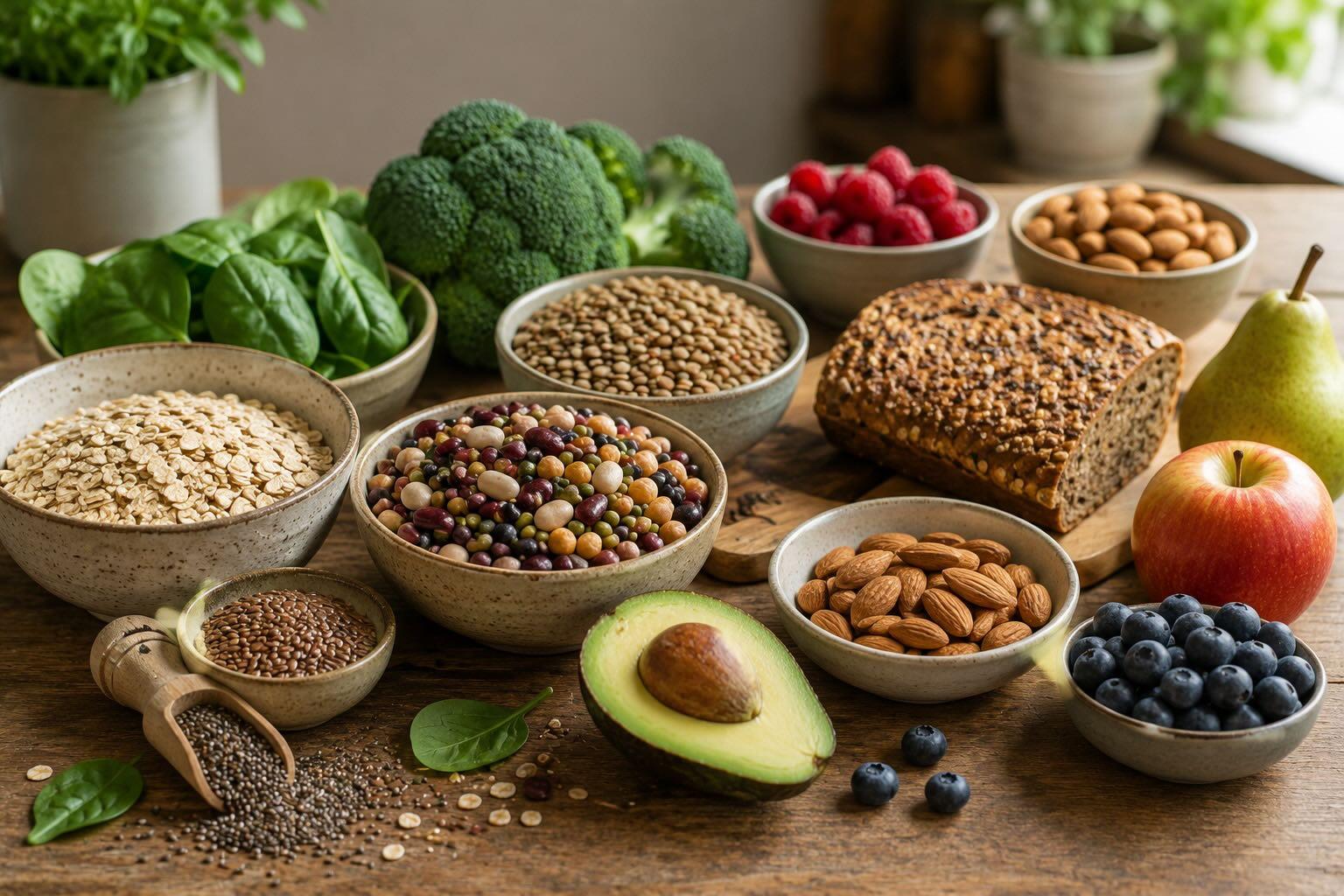
The gut and brain communicate continuously through what scientists call the gut-brain axis. Ultra-processed foods are often low in fibre and may negatively affect the diversity of beneficial gut bacteria.
Researchers are increasingly investigating whether changes in the gut microbiome may influence memory, mood and cognitive function.
Many of the same factors that support cardiovascular health are also associated with better brain health.
Ultra-processed foods have been linked with obesity, high blood pressure and cardiovascular disease. This may be one reason diet quality matters for long-term brain health.
These findings should be interpreted with caution. The studies discussed here are observational studies. They can identify associations between dietary patterns and health outcomes, but they cannot prove that one factor directly causes another.
People who consume large amounts of ultra-processed foods may also differ in other ways that affect dementia risk, including physical activity levels, sleep quality, smoking habits and overall diet quality.
Researchers attempt to adjust for these differences, but it is impossible to account for every factor. For this reason, the findings should be viewed as evidence of a link rather than proof of causation.
The NHS advises that while there is no guaranteed way to prevent dementia, maintaining a healthy lifestyle may help reduce risk.[6]
Key recommendations include:
Eating a balanced diet
Staying physically active
Not smoking
Maintaining a healthy weight
Managing blood pressure, cholesterol and diabetes
Drinking alcohol within recommended limits
Reducing reliance on ultra-processed foods fits well within these broader healthy lifestyle recommendations.

The research does not suggest that every ultra-processed food must be eliminated.
Instead, the evidence points towards gradually shifting the balance of the diet towards foods that are closer to their natural form.
One simple way is to spend a few seconds looking at the ingredients list.
Foods that contain mostly familiar ingredients, such as oats, nuts, beans, fruit or vegetables, are often less processed than products containing numerous additives, flavourings, colourings, emulsifiers and sweeteners.
This doesn’t mean you need to avoid every packaged food. However, becoming more aware of what’s in your food can be a useful first step towards making informed choices.
Practical swaps could include:
Porridge instead of sugary breakfast cereals
Fruit instead of confectionery
Nuts instead of crisps
Home-cooked meals more often than ready meals
Beans, fish or poultry instead of processed meats
Even small changes may help improve overall diet quality.
The overall pattern is clear: diets higher in ultra-processed foods are consistently associated with poorer long-term health outcomes, including brain health.
These studies cannot prove that ultra-processed foods directly cause dementia.
However, when considered alongside what is already known about inflammation, blood sugar regulation, cardiovascular health and overall diet quality, they provide another reason to limit our reliance on heavily manufactured foods.
Choosing more whole and minimally processed foods will not guarantee protection against dementia.
However, it remains one of the simplest and most practical steps we can take to support our brain, heart and overall health as we grow older.

1. What are ultra-processed foods?
Ultra-processed foods are industrially manufactured foods that often contain additives, flavourings, emulsifiers, sweeteners and preservatives that would not normally be used in home cooking.
2. Do ultra-processed foods cause dementia?
Current studies show an association between higher ultra-processed food consumption and increased dementia risk. However, they do not prove that ultra-processed foods directly cause dementia.
3. Which ultra-processed foods appear most concerning?
Recent studies suggest processed meats may be among the categories most strongly associated with poorer cognitive outcomes, although more research is needed.
4. Is it necessary to avoid all processed foods?
No. Many processed foods, such as frozen vegetables, canned beans and wholemeal bread, can form part of a healthy diet. The concern relates primarily to heavily manufactured ultra-processed foods.
5. Can reducing ultra-processed foods lower dementia risk?
Some studies suggest replacing a portion of ultra-processed foods with minimally processed foods may be associated with a lower risk of dementia, although more research is needed.
This article is for general information only and is not intended to treat or diagnose medical conditions. If in doubt please check with your GP first.
Alzheimer’s Society. Dementia UK: Update. Alzheimer’s Society; 2024. Available from: https://www.alzheimers.org.uk/about-us/policy-and-influencing/dementia-uk-report
Livingston G, Huntley J, Liu KY, et al. Dementia prevention, intervention, and care: 2024 report of the Lancet Standing Commission. Lancet. 2024;404:572-628.
Li Y, Chen X, Dhana K, et al. Consumption of Ultraprocessed Foods and Risk of Dementia. Neurology. 2022;99(10):e1056-e1066.
Gonçalves NG, Suemoto CK, Leite REP, et al. Association Between Consumption of Ultraprocessed Foods and Cognitive Decline. JAMA Neurology. 2023;80(2):142-150.
Monteiro CA, Cannon G, Levy RB, et al. Ultra-processed foods: what they are and how to identify them. Public Health Nutrition. 2019;22(5):936-941.
NHS. Can dementia be prevented? Available from: https://www.nhs.uk/conditions/dementia/about-dementia/reducing-your-risk-of-dementia/

Mediterranean Diet Slashes Early Death Risk in Women by Nearly 25%, Study Finds

Bananas: Effective in Lowering Blood Pressure New Study Suggests

Shedding Just 5%: The Small Weight Loss with Massive Benefits