For many people with knee osteoarthritis, everyday activities such as climbing the stairs, getting out of a chair or going for a walk can become increasingly painful.
Current NHS treatment focuses on staying active, strengthening the muscles around the joint, maintaining a healthy weight where appropriate, and using pain relief when needed.
Exercise remains one of the most effective treatments, although many people understandably find it difficult to keep up when their knees are painful.³⁻⁵
Now, a new clinical trial from the University of Nottingham suggests improving gut health may also have a role to play.
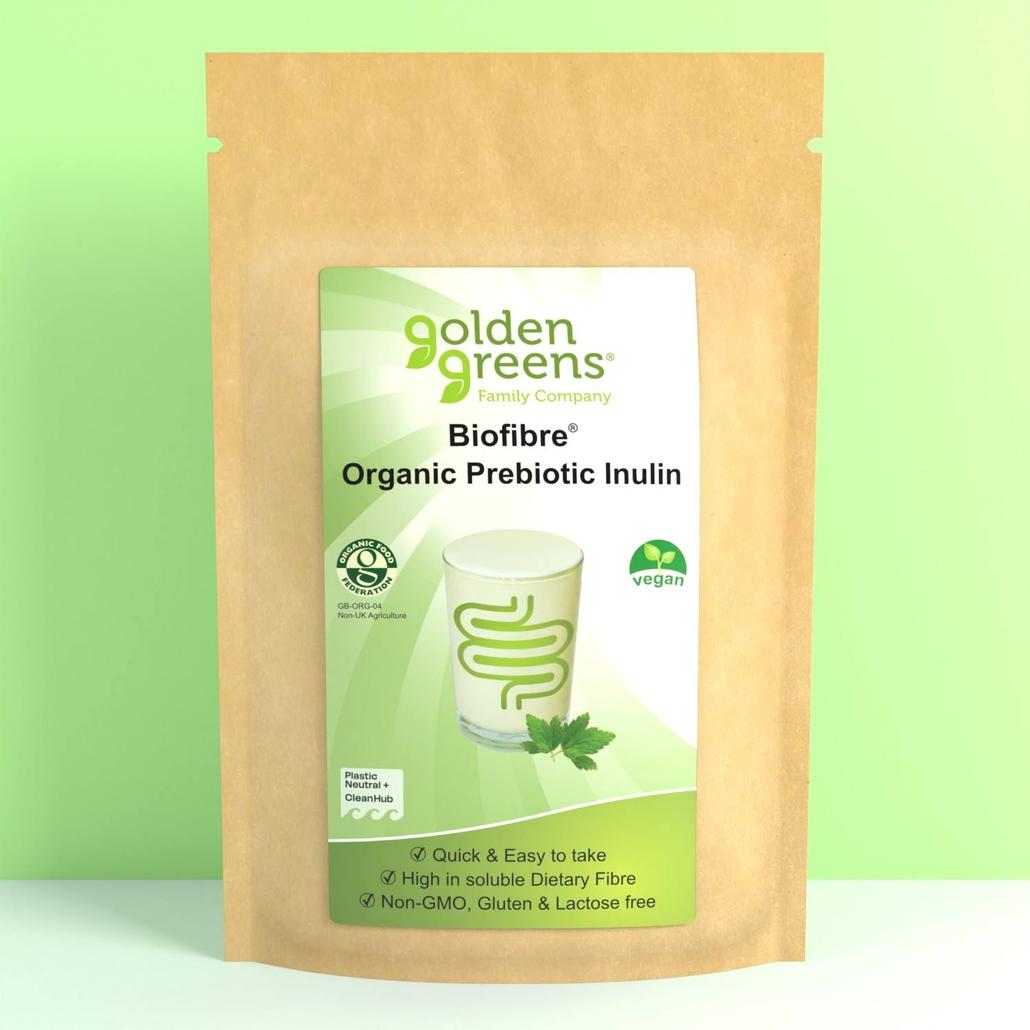
Researchers found that taking a daily prebiotic fibre called inulin reduced knee pain, improved pain sensitivity and increased grip strength in adults with knee osteoarthritis over six weeks.¹²
Osteoarthritis is the UK’s most common form of arthritis.
It develops when the protective cartilage covering the ends of bones gradually wears down, causing joints to become painful and stiff.
The knees are among the joints most commonly affected.
According to the NHS, common symptoms include:
Pain when moving the joint
Stiffness, particularly after resting
Reduced mobility
Swelling or tenderness around the joint
Although osteoarthritis cannot currently be cured, many people successfully manage their symptoms through lifestyle measures and appropriate treatment.³
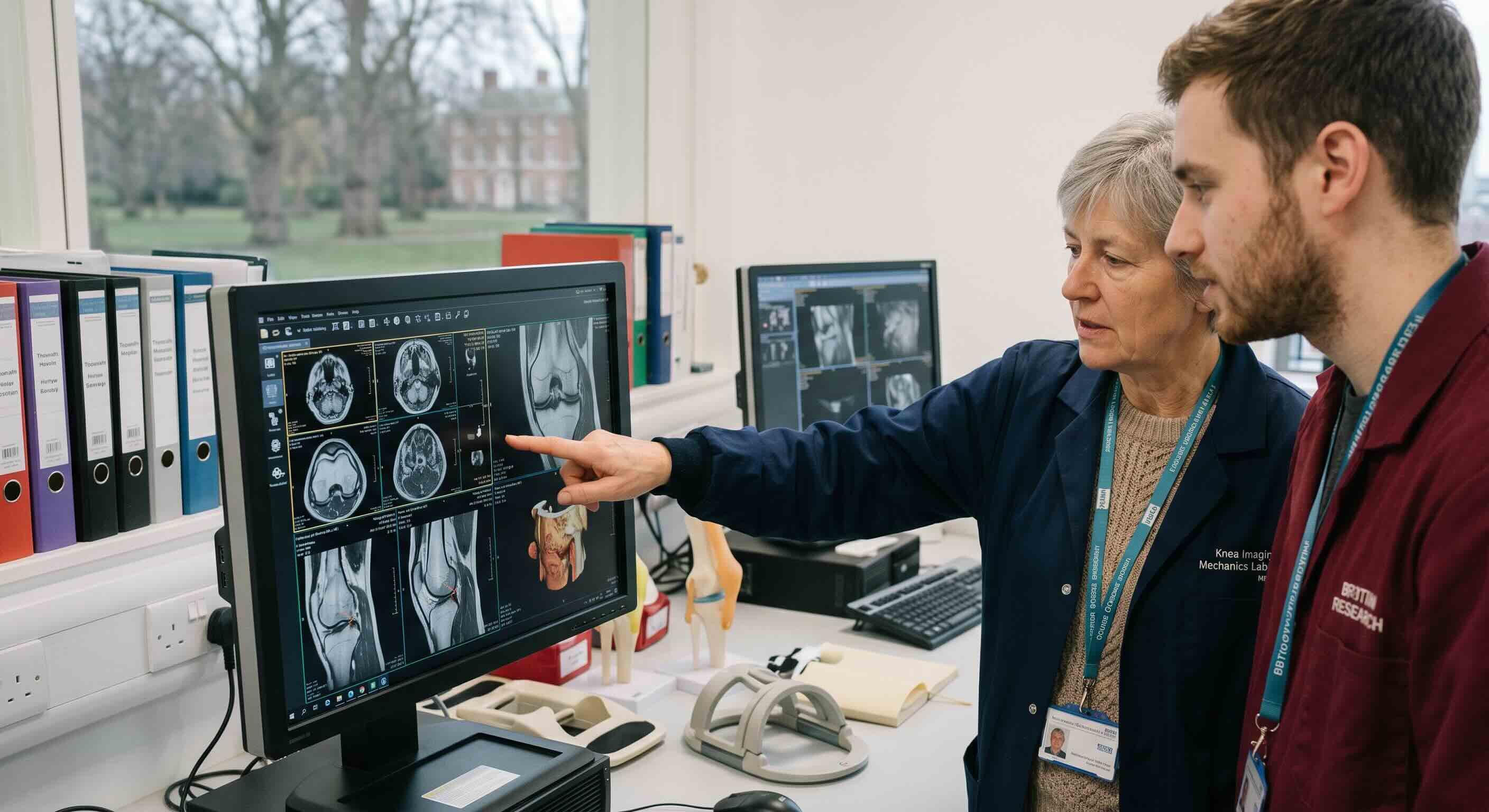
Scientists at the University of Nottingham wanted to explore whether improving gut health could influence knee osteoarthritis symptoms.
Previous research has suggested that the gut microbiome may play a role in inflammation, pain perception and muscle function.
To investigate this, the researchers carried out a six-week randomised, placebo-controlled clinical trial, one of the strongest ways of testing whether an intervention genuinely works.¹
A total of 136 participants were randomly assigned to one of four groups:
Inulin (20 g per day, taken as two 10 g servings)
A digital physiotherapy-supported exercise programme
Both inulin and exercise
Placebo (maltodextrin powder)
The inulin dose used in this study (20 g per day) is substantially more than most people would typically consume through food alone.
Of those enrolled, 117 participants completed both the baseline and follow-up assessments, which formed the main analysis.¹
The researchers assessed knee pain, physical function, grip strength, pain sensitivity, blood markers and changes in the gut microbiome.¹
Inulin is a natural soluble fibre found in foods including:
Chicory root
Jerusalem artichokes
Garlic
Onions
Leeks
Asparagus
Unlike most carbohydrates, inulin passes through the small intestine largely undigested before reaching the large intestine, where it acts as a prebiotic, feeding beneficial gut bacteria.
As these bacteria ferment inulin, they produce compounds known as short-chain fatty acids, which are thought to influence many aspects of health, including metabolism and immune function.

After six weeks, the researchers found that people taking inulin experienced:
Reduced knee pain
Reduced pain sensitivity
Improved grip strength¹
The digital physiotherapy programme improved measures of physical function, including the Timed Up and Go test and the 30-second sit-to-stand test.¹
People taking inulin also had higher levels of the naturally occurring gut hormone GLP-1. Higher GLP-1 levels were associated with improvements in grip strength, suggesting one possible way that changes in the gut may influence muscle function and pain.¹
The researchers also observed changes in the gut microbiome and increased production of butyrate, a short-chain fatty acid produced when beneficial gut bacteria ferment fibre.
Butyrate has previously been linked with reduced inflammation and healthier gut function, although its exact role in osteoarthritis remains an active area of research.¹
One unexpected finding was that combining inulin and exercise did not produce greater improvements than either intervention alone. The researchers suggest the two interventions may work through different biological pathways, but larger studies are needed to better understand these findings.¹
No.
This was a relatively small clinical trial lasting six weeks.
While the findings are encouraging, they do not show that inulin treats osteoarthritis or replaces established treatments.
The researchers themselves conclude that larger and longer-term studies are now needed to confirm these findings and better understand how changes in the gut microbiome may influence joint health.¹
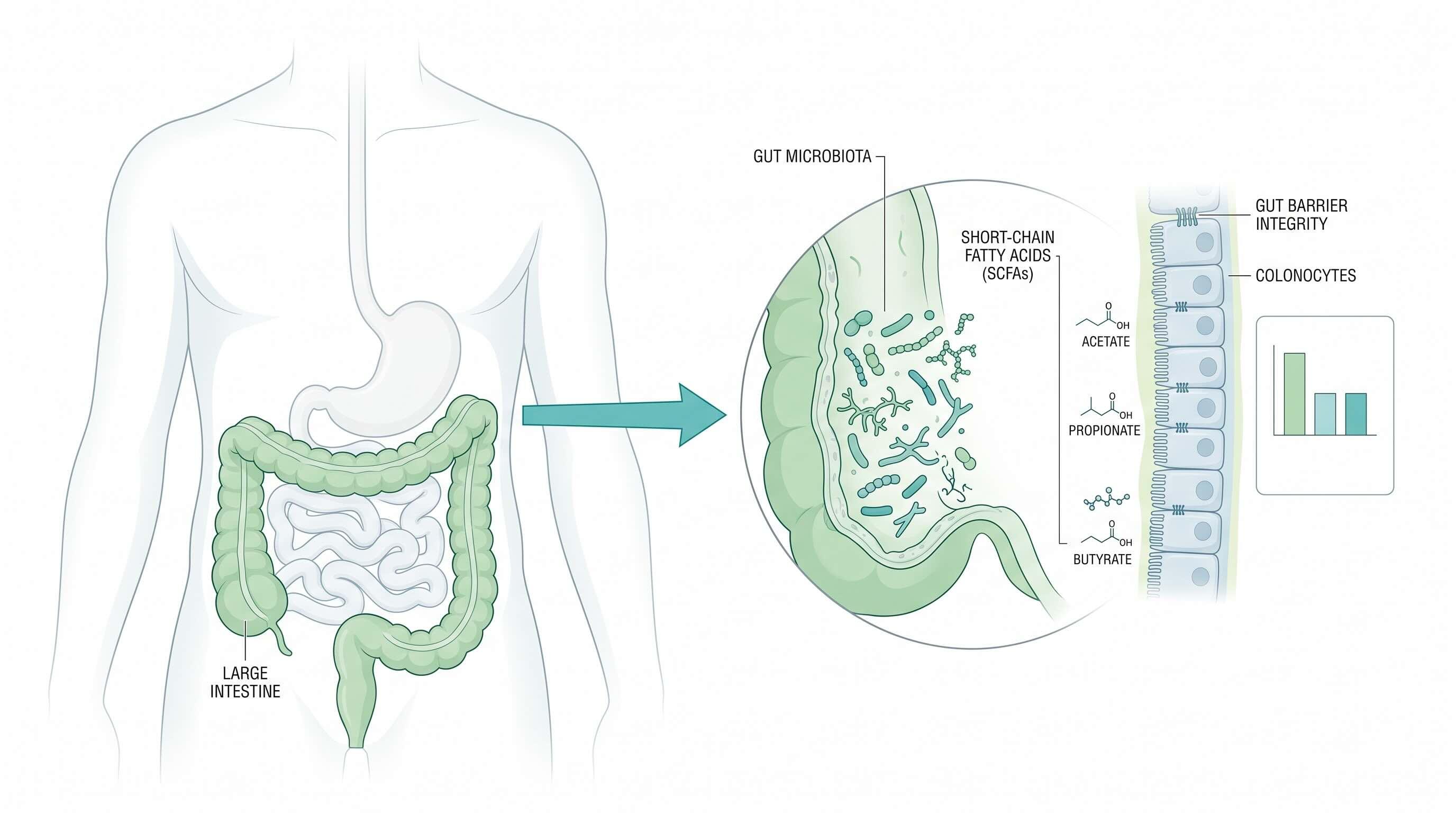
Figure. Inulin reaches the large intestine largely undigested, where it is fermented by beneficial gut bacteria. This produces short-chain fatty acids (SCFAs), including butyrate, which are thought to influence several aspects of health. The Nottingham study investigated whether changes in the gut microbiome and these fermentation products might also contribute to improvements in knee osteoarthritis symptoms.¹
Current NHS and NICE guidance continues to recommend:
Regular physical activity
Muscle-strengthening exercises
Maintaining a healthy weight where appropriate
Appropriate pain relief when needed
Physiotherapy where appropriate³⁻⁵
Exercise remains one of the most effective treatments for osteoarthritis, even though symptoms can sometimes feel worse when first starting.
Regular activity helps reduce pain and improve function over time.⁴⁻⁵
The new Nottingham research doesn’t replace these recommendations.
Instead, it suggests that improving gut health may eventually become another useful tool alongside them, but further research is needed before any changes to clinical practice can be recommended.¹
One of the most interesting aspects of this study isn’t simply that knee pain improved.
It’s the possible mechanism behind it.
People taking inulin had higher levels of the naturally occurring gut hormone GLP-1, and those with higher GLP-1 levels also tended to have greater improvements in grip strength.
This points towards what researchers describe as a possible gut-muscle-pain axis — the idea that signals from the gut may influence not only digestion, but also muscle function and how pain is processed elsewhere in the body.
It’s important to remember that this was an association rather than proof that GLP-1 caused the improvements. The researchers themselves describe these findings as exploratory and say further studies are needed to confirm the relationship.
Even so, it’s an interesting result. GLP-1 is best known for its role in regulating blood sugar and appetite, and as the hormone targeted by newer weight-loss medicines. Its possible role in muscle strength and joint pain is only just beginning to be explored.
While it’s still early days, this study suggests the story may be about more than simply increasing fibre intake. It highlights a potential gut-hormone pathway that could eventually help researchers better understand the links between gut health, muscle function and pain.

1. What is inulin?
Inulin is a natural soluble prebiotic fibre found in plants such as chicory root, onions, garlic and Jerusalem artichokes. It feeds beneficial bacteria living in the gut.
2. How much inulin was used in the study?
Participants took 20 g of inulin per day, divided into two 10 g servings, for six weeks.¹
3. Should I take 20 g per day?
Not necessarily. Many people experience bloating or excess wind if they increase fibre too quickly. If you’re increasing your fibre intake, it’s generally best to do so gradually and make sure you’re drinking plenty of fluids.
4. Can inulin cause digestive symptoms?
Yes. Because inulin is a fermentable fibre, some people experience bloating, wind or changes in bowel habit, particularly when first increasing their intake.
5. Is inulin suitable for everyone?
No. Inulin is a FODMAP (a type of fermentable carbohydrate) and may not be suitable for some people with irritable bowel syndrome (IBS), particularly those following a low-FODMAP diet.
6. Does this mean I can stop my arthritis medication?
No. This study does not show that inulin can replace prescribed treatments. If you have osteoarthritis, continue taking any prescribed medication unless advised otherwise by your healthcare professional.
7. What remains the most important treatment?
According to the NHS and NICE, regular exercise, strengthening exercises, maintaining a healthy weight where appropriate, and appropriate pain relief remain the cornerstones of osteoarthritis management. The findings from this study are encouraging, but they should be viewed as a potential addition to — not a replacement for — current evidence-based care.³⁻⁵
This article is for general information only and is not intended to treat or diagnose medical conditions. If in doubt please check with your GP first.
Kouraki A, Franks S, Vijay A, Kurien T, Taylor MA, Smith SL, Smith B, Kelly A, Valdes AM. Effect of Prebiotic Supplementation With and Without Physiotherapy on Pain and Pain Sensitivity in People with Knee Osteoarthritis. Nutrients. 2026;18(5):714. https://doi.org/10.3390/nu18050714
University of Nottingham. Gut health supplement relieves arthritis pain, finds new study. Published 12 March 2026.
NHS. Osteoarthritis. https://www.nhs.uk/conditions/osteoarthritis/
NHS. Treatment for osteoarthritis. https://www.nhs.uk/conditions/osteoarthritis/treatment/
National Institute for Health and Care Excellence (NICE). Osteoarthritis in over 16s: diagnosis and management (NG226). 2022 (updated 2023).

Mediterranean Diet Slashes Early Death Risk in Women by Nearly 25%, Study Finds

Bananas: Effective in Lowering Blood Pressure New Study Suggests

Shedding Just 5%: The Small Weight Loss with Massive Benefits