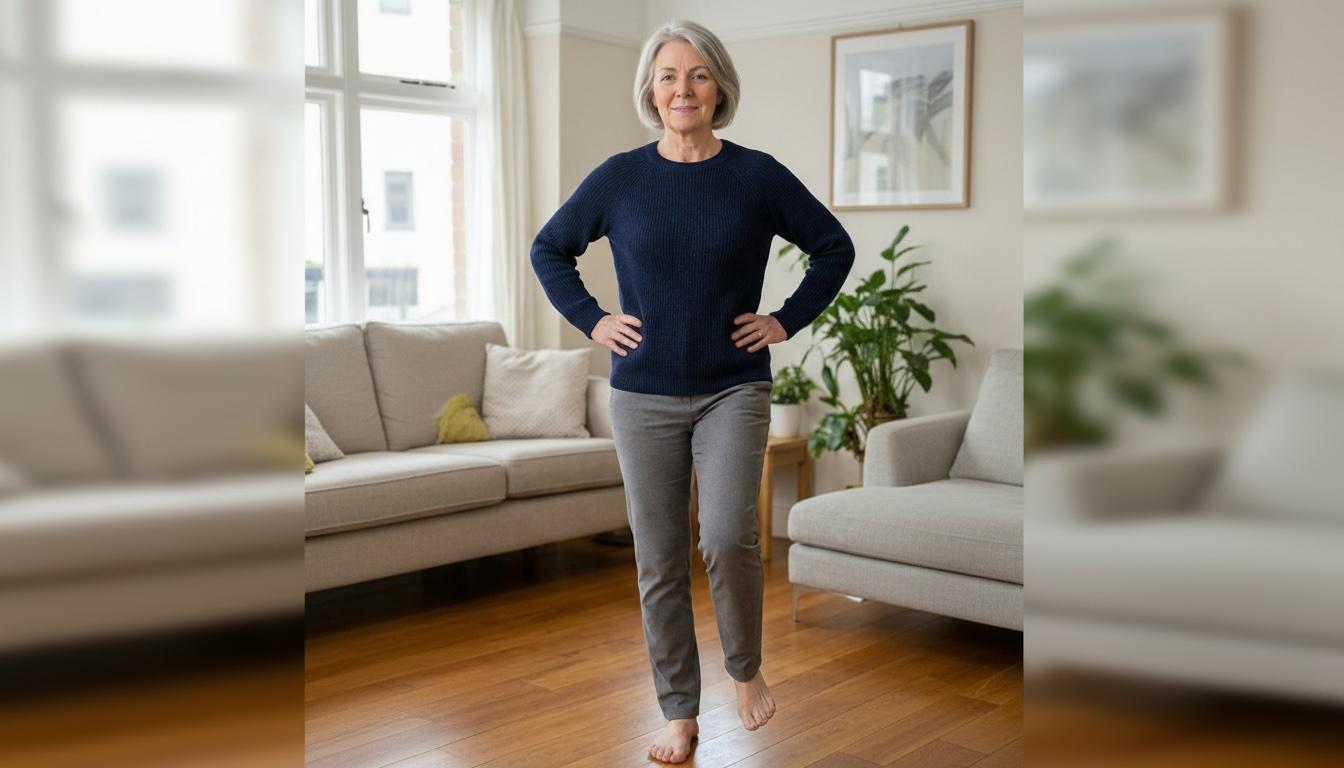
Balance is something most of us rarely think about — until it begins to change.
Yet researchers increasingly recognise that balance can reveal important clues about overall physical health.
Maintaining balance requires several body systems to work together, including muscles, nerves, vision and the inner ear. When these systems coordinate effectively, we can stand, walk and move with stability.
In recent years, scientists have found that a simple balance test lasting just 10 seconds may offer insight into healthy ageing and physical function.
A study published in the British Journal of Sports Medicine explored whether balance ability could be linked with long-term health outcomes.
Researchers assessed 1,702 adults aged 51–75, asking them to stand on one leg for 10 seconds without holding onto support. Participants were then followed for seven years.
The findings were notable:
Around one in five participants (20.4%) could not complete the test
Those who failed the test were 84% more likely to die during the follow-up period compared with those who succeeded
After adjusting for age, sex, BMI and existing health conditions, the association remained significant.
The researchers concluded that the ability to stand on one leg for 10 seconds may act as a simple indicator of overall physical function and ageing.
Importantly, this does not mean failing the test predicts death. Rather, it may highlight reduced strength, coordination or stability — factors that are closely linked with overall health.
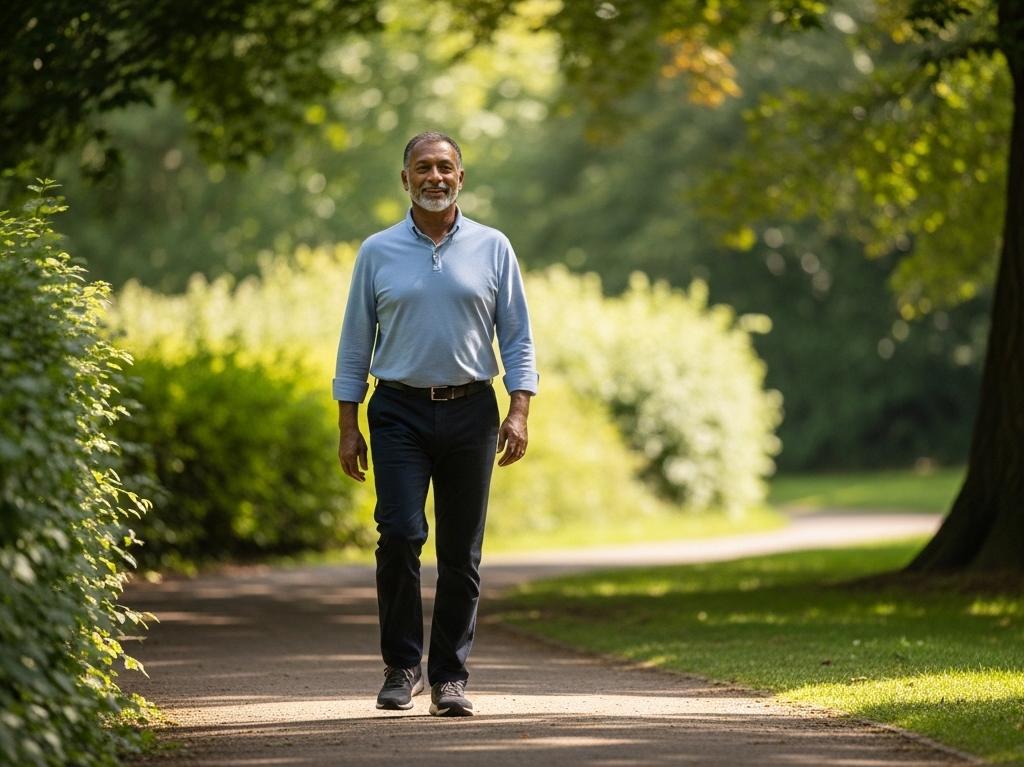
Balance relies on several body systems working together continuously. As we grow older, gradual changes in these systems can affect stability.
Muscles in the legs, hips and core help stabilise the body when standing or moving. Age-related muscle loss — known as sarcopenia — can reduce strength and coordination over time.
Our eyes provide important information to the brain about where the body is positioned in space. Changes in eyesight can make it harder to maintain balance.
The inner ear contains structures that detect head movement and body position. These signals help maintain equilibrium.
Nerves constantly communicate with muscles to keep the body upright. Slower reaction times can make it harder to correct small shifts in posture.
These changes are common as we age, but they are not inevitable. Regular physical activity can help maintain strength, coordination and stability.
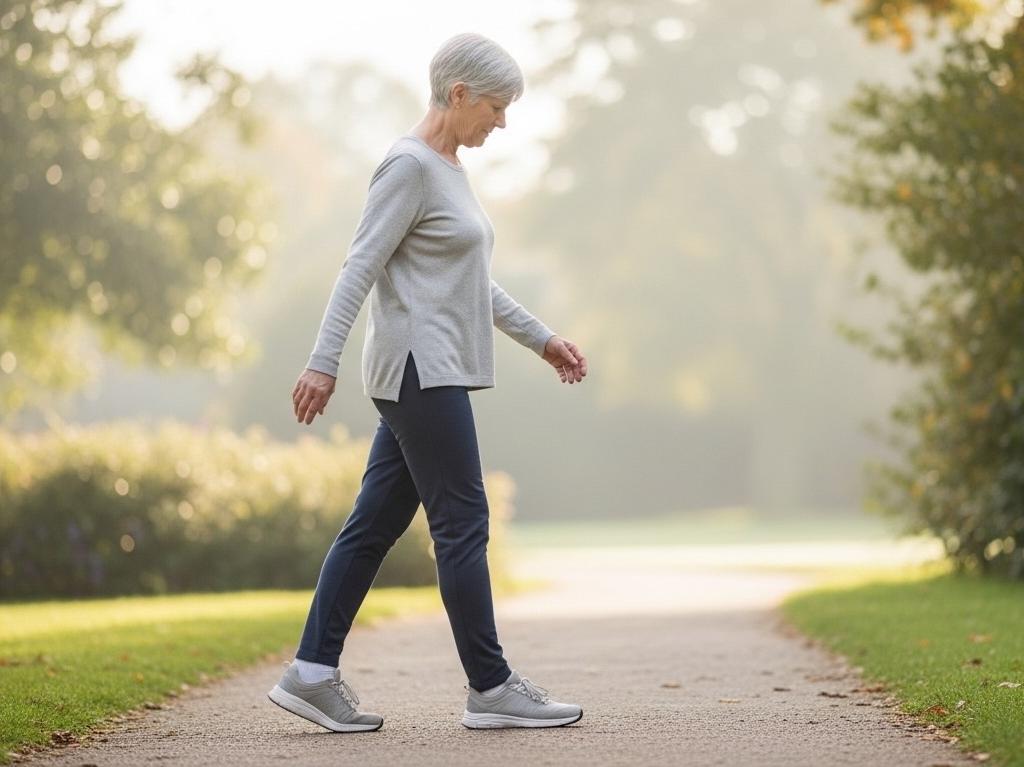
Standing on one leg may appear simple, but it requires the coordination of multiple systems at once.
The test challenges:
leg and core muscle strength
joint stability
nerve signals between the brain and muscles
inner ear balance mechanisms
visual feedback
Because balance depends on several systems working together, it can act as a useful indicator of overall physical function.
Poor balance is also associated with an increased risk of falls. Falls are one of the most common causes of injury among older adults, and the World Health Organisation identifies falls as a leading cause of injury-related death worldwide. Improving strength and stability is therefore an important part of healthy ageing.
Exercise programmes that include balance training have been shown to reduce falls in older adults in systematic reviews of clinical trials. Examples include tai chi, yoga, balance drills and leg-strengthening exercises.
If you are curious about your balance, you can try this simple test yourself.
How to do it:
Stand barefoot or in flat shoes on a firm surface.
Place your hands on your hips.
Lift one foot slightly off the ground.
Try to hold the position for 10 seconds.
Repeat with the other leg.
In the research study, participants used their preferred (dominant) leg, but trying both legs can give you a useful comparison.
Yes. Balance is a skill that can improve with practice.
Activities that challenge stability help strengthen the muscles and coordination involved in maintaining posture.
Examples include:
standing on one leg for short periods
heel-to-toe walking
tai chi or yoga
strength training for the legs and core
regular walking
You can also practise balance during everyday activities. For example, try standing on one leg while brushing your teeth or waiting for the kettle to boil. These small moments of practice can gradually help improve stability and confidence.
For safety, it is sensible to practise near a wall, countertop or chair so you can steady yourself if needed.
Even small amounts of balance practice throughout the week can make a difference over time.
Balance often changes slowly over time, which means it can easily go unnoticed.
Yet maintaining good balance supports independence, mobility and confidence as we age.
The 10-second balance test offers a simple way to check in with your physical function. More importantly, it highlights how everyday habits — such as staying active and maintaining muscle strength — play an important role in healthy ageing.

1. Why is balance important for health?
Balance relies on coordination between muscles, nerves, vision and the inner ear. Good balance helps maintain mobility and reduces the risk of falls.
2. What does failing the 10-second balance test mean?
It does not diagnose a health condition. However, difficulty balancing may indicate reduced strength, coordination or stability.
3. At what age does balance begin to decline?
Balance can gradually decline from mid-life onwards due to changes in muscle strength, reaction time and sensory systems, although this varies between individuals.
4. Can balance improve with practice?
Yes. Research shows that exercises that challenge balance can improve stability and help reduce the risk of falls in older adults.
5. How often should I practise balance exercises?
Practising regularly throughout the week can help maintain strength, coordination and stability.
6. Is it safe to practise balance exercises at home?
Yes, but it is sensible to stand near a wall, table or chair in case you need support.
7. Are there other exercises that help improve balance?
Activities such as tai chi, yoga, strength training and walking can all help improve stability and coordination.
8. What should I do if I feel dizzy during balance exercises?
Stop the exercise and rest. If dizziness continues or happens frequently, it is advisable to speak with a healthcare professional.
9. What should I do if I feel dizzy during balance exercises?
Stop the exercise and rest. If dizziness continues or happens frequently, it is advisable to speak with a healthcare professional.
This article is for general information only and is not intended to treat or diagnose medical conditions. If in doubt please check with your GP first.
Araújo CGS, et al. (2022). Successful 10-second one-leg stance performance predicts survival in middle-aged and older individuals. British Journal of Sports Medicine.
NHS. Falls.
https://www.nhs.uk/conditions/falls/
Accessed March 2026.
NHS. Dizziness.
https://www.nhs.uk/conditions/dizziness/
Accessed March 2026.
Sherrington C, Fairhall N, Wallbank G, et al. (2019). Exercise for preventing falls in older people living in the community. Cochrane Database of Systematic Reviews.
World Health Organization. (2021). Falls.
https://www.who.int/news-room/fact-sheets/detail/falls
NHS. Physical activity guidelines for adults and older adults.

Mediterranean Diet Slashes Early Death Risk in Women by Nearly 25%, Study Finds

Bananas: Effective in Lowering Blood Pressure New Study Suggests
Shedding Just 5%: The Small Weight Loss with Massive Benefits