
Every so often, a health headline promises that a single food can transform how our bodies work.
Recently, grapes have been highlighted with claims they can help the body “flush out” fat — a claim worth examining closely.
Headlines like this are understandably appealing. The idea that something as simple as eating a particular fruit could make fat loss easier taps into a desire for straightforward solutions. But nutrition and metabolism rarely work in such a simple way.
To understand what grapes — or any fruit — can realistically do, it helps to look first at how fat loss actually works, and then at what the evidence really shows.
The body does not “flush” fat in the way it removes waste products. Fat is stored energy. When the body needs that energy, fat is broken down through metabolic processes and released mainly as carbon dioxide (breathed out) and water.
Fat loss occurs when, over time, the body uses more energy than it takes in. No single food can override that basic physiology.
When media stories talk about fat being “flushed out”, they are usually referring to indirect effects, such as:
Feeling fuller and eating less overall
Improved digestion or reduced bloating
Better blood sugar regulation
These effects can support healthier weight management — but they are not the same as fat being directly removed from the body.
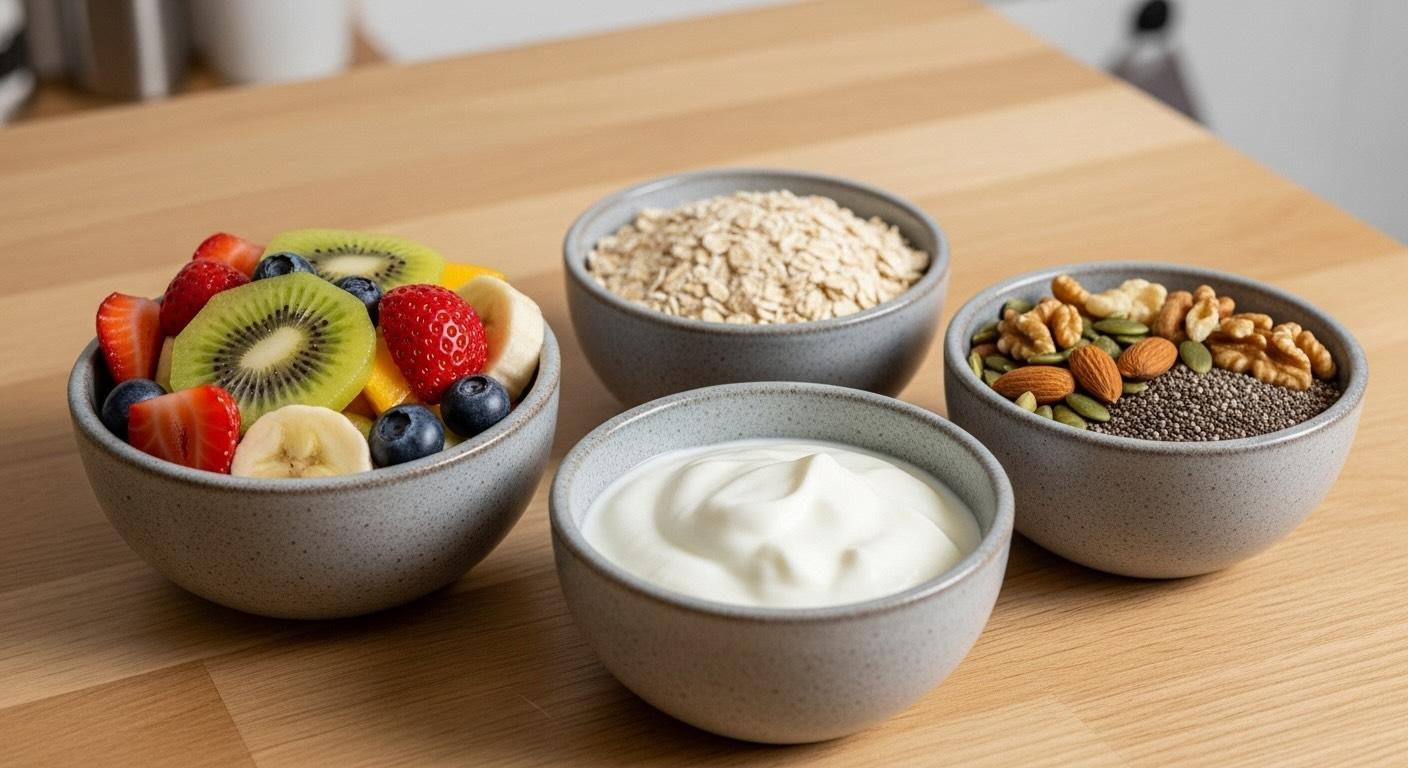
1. Fruit and Calorie Intake
Fruit is naturally low in energy density, meaning it provides relatively few calories for its volume. Most fruits are high in water and fibre, which helps promote fullness.
Large observational studies show that higher fruit intake is associated with less weight gain over time, particularly when fruit replaces more calorie-dense foods.
Long-term cohort research has found that increased consumption of fruits such as apples, berries and grapes is linked with modest but meaningful improvements in weight regulation over several years.
This is not because fruit burns fat, but because it helps regulate appetite and overall calorie intake.
The NHS and British Nutrition Foundation both highlight fruit as part of dietary patterns associated with healthier long-term weight outcomes.
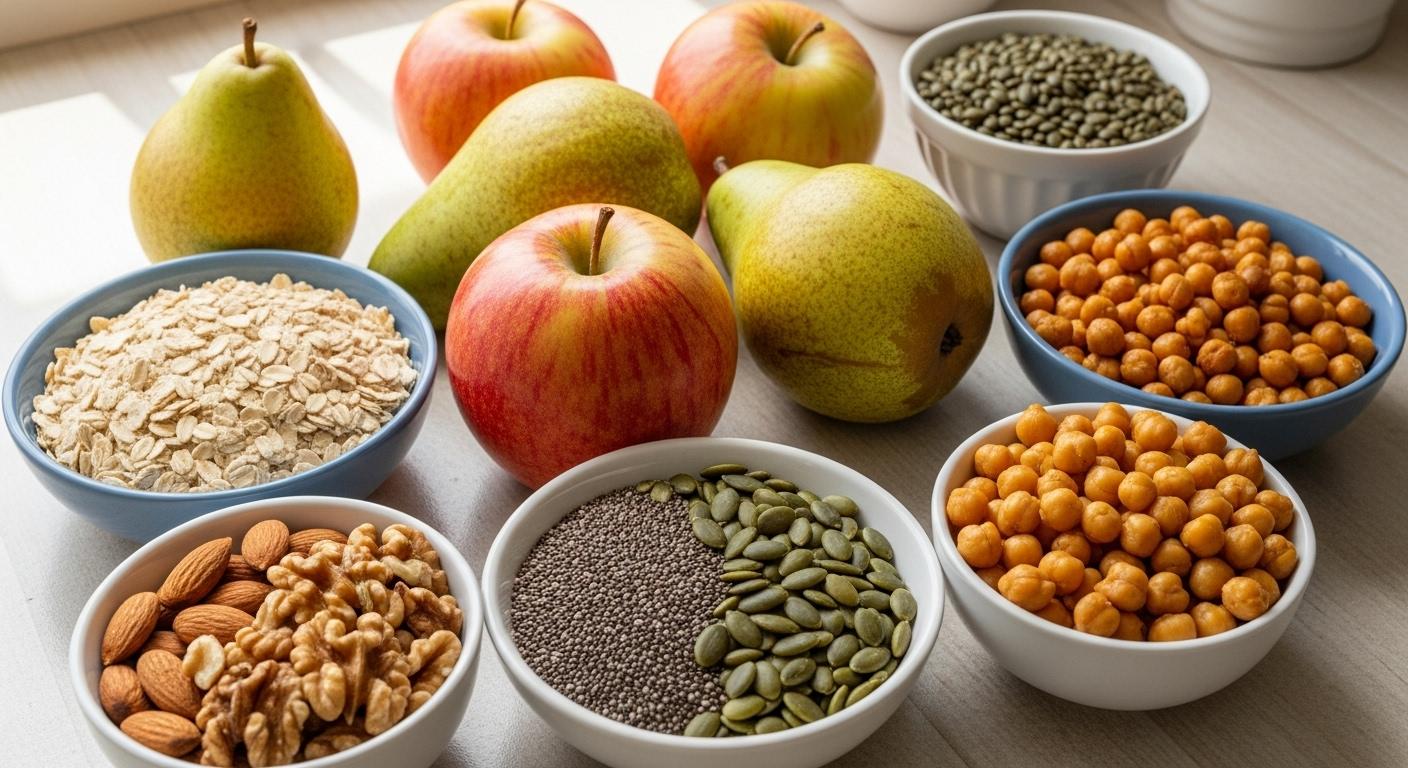
If fruit has a major advantage, it is its fibre content.
Dietary fibre:
Slows digestion
Helps stabilise blood sugar levels
Increases feelings of fullness
Supports regular bowel function
Most adults in the UK fall short of the recommended 30g of fibre per day (with average intakes around 18–19g), and fruit plays an important role in helping to close that gap.
This is also why whole fruit matters more than fruit juice. Juicing removes most of the fibre, changing how the body responds to the sugars it contains.
Fibre from fruit feeds beneficial gut bacteria, which produce compounds that help regulate inflammation and metabolic function.
Research using large datasets, including analyses of UK Biobank cohort data, has linked higher fibre intake with:
Improved insulin sensitivity
Healthier metabolic markers
Lower risk of gradual weight gain over time
These findings support the role of fibre-rich diets in metabolic health. However, they do not show that fruit — or fibre — directly causes fat loss.
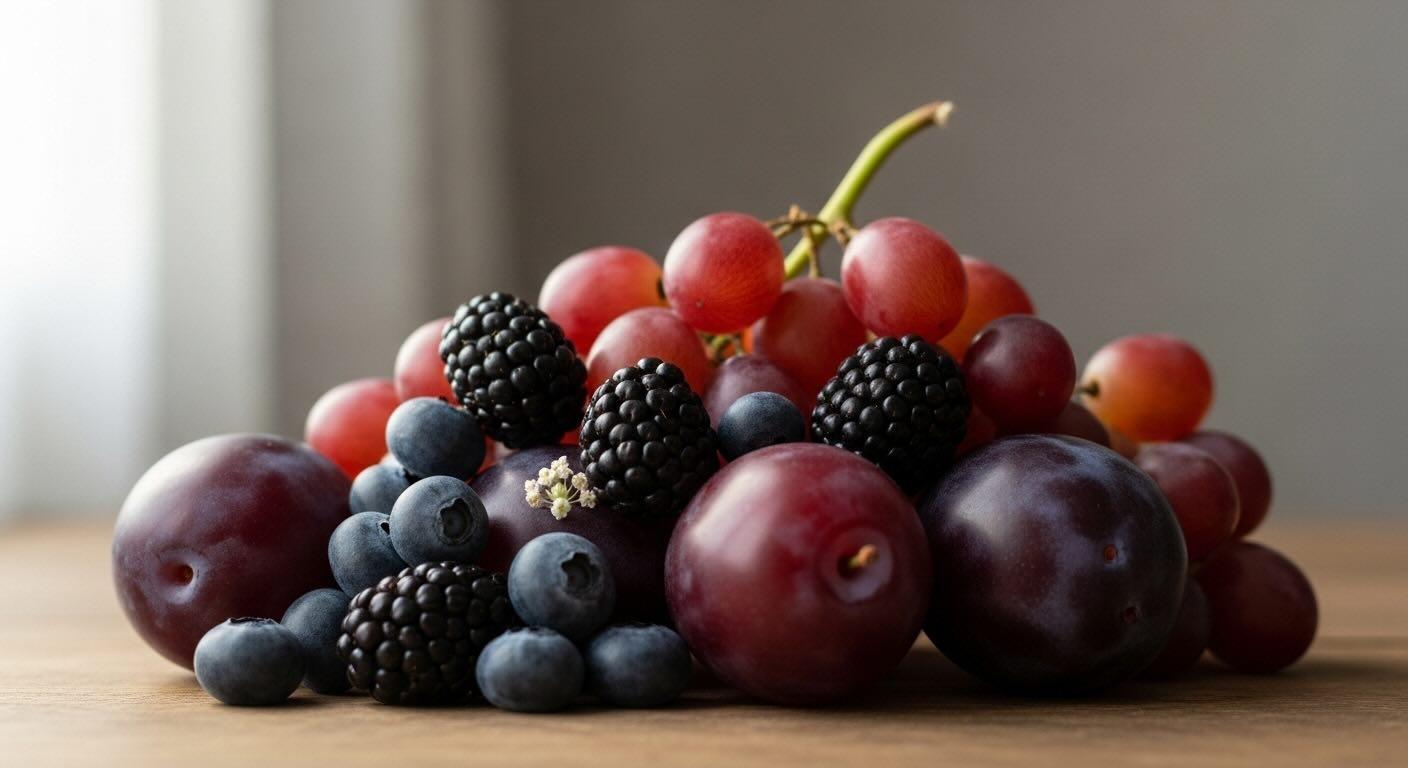
Grapes contain a range of plant compounds, including polyphenols, which have been studied for their potential effects on cardiovascular and metabolic health.
Some laboratory and observational studies suggest these compounds may influence markers such as inflammation, oxidative stress and lipid metabolism. These findings help explain why grapes are often discussed in health research.
However, this does not translate into evidence that grapes uniquely trigger fat loss. As with other fruits, any benefits seen reflect overall dietary patterns, not the effects of eating grapes in isolation.
Fruit Can:
Help manage appetite
Improve fibre intake
Support gut and metabolic health
Replace higher-calorie snack foods
Fruit Can’t:
Target belly fat
Cause weight loss on its own
Compensate for consistently high calorie intake
“Detox” or flush fat from the body

Evidence-based ways to include fruit:
Choose whole fruit rather than juice
Eat fruit with meals or as balanced snacks
Combine fruit with protein or yoghurt to improve satiety
Focus on variety, not individual “superfoods”
Aim for different colours to maximise nutrient diversity
These habits matter far more than focusing on one fruit highlighted in a headline.
Media stories often simplify or exaggerate early findings to make them more eye-catching. While they can raise awareness of nutrition topics, they rarely reflect the full complexity of the science.
Research consistently shows that small, repeatable habits have a greater impact on health than any single food.
If something sounds too good to be true, it usually is.
Grapes do not “flush out” fat.
However, like other fruits, they can support healthy weight management, appetite control and metabolic health when eaten as part of a balanced, fibre-rich diet.
The real benefits come not from chasing headlines, but from consistent, sustainable eating habits over time.

1. Can eating grapes help you lose belly fat?
Grapes can contribute to a healthier overall diet, but they cannot target specific areas of body fat.
2. Are grapes too high in sugar for weight loss?
Whole grapes contain natural sugars alongside fibre, which slows absorption. For most people without specific blood sugar concerns, they can be part of a balanced diet.
3. Are grapes better than other fruits?
No single fruit is superior. Variety matters more than focusing on one option.
4. Is fruit juice the same as fruit?
No. Juice lacks fibre and is easier to overconsume. Whole fruit is the better choice.
5. How much fruit should I eat each day?
NHS guidance recommends including fruit as part of your 5-a-day, alongside vegetables.
This article is for general information only and is not intended to treat or diagnose medical conditions. If in doubt please check with your GP first.
References:
NHS. The Eatwell Guide; Dietary Fibre
British Nutrition Foundation. Fruit, Vegetables and Health
Reynolds A, et al. Carbohydrate quality and human health: a series of systematic reviews and meta-analyses. The Lancet. 2019.
Bertoia ML, et al. Changes in intake of fruits and vegetables and weight change over time. PLOS Medicine. 2015.
UK Biobank cohort studies examining associations between dietary fibre intake, metabolic health and body composition

Mediterranean Diet Slashes Early Death Risk in Women by Nearly 25%, Study Finds

Bananas: Effective in Lowering Blood Pressure New Study Suggests

Shedding Just 5%: The Small Weight Loss with Massive Benefits