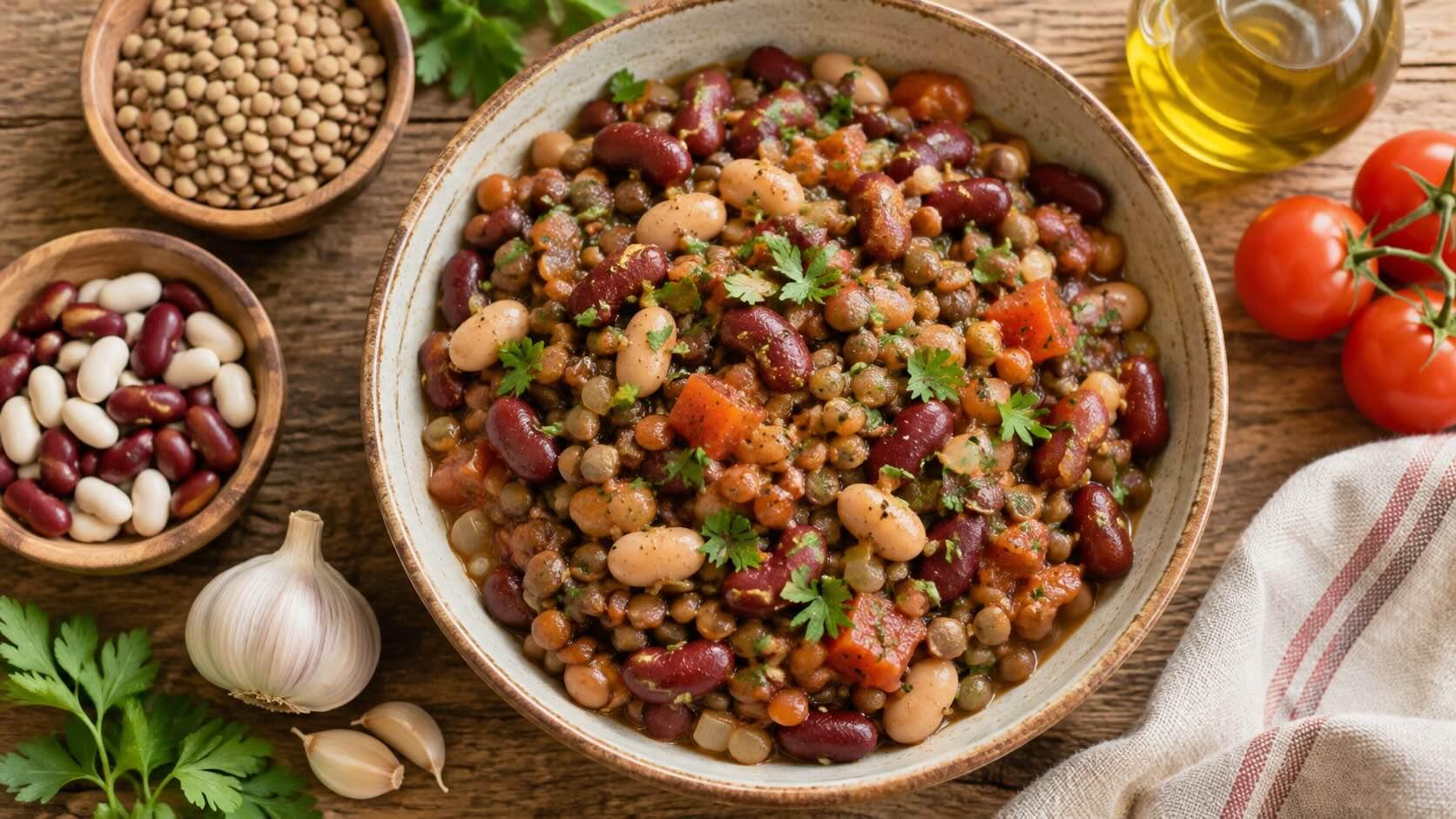
When we think about lowering cholesterol, we often think about what to cut back on: butter, cheese, fatty meat and the occasional pastry that somehow found its way into the shopping trolley.
But what about foods we could add?
Beans, lentils and chickpeas are inexpensive, easy to keep in the cupboard and packed with fibre.
Now, a review bringing together 38 clinical trials suggests that eating pulses regularly can also help lower LDL cholesterol. [1]
So, how much difference could they make? And do you need to eat a mountain of lentils to see a benefit?
Pulses are the edible seeds of plants in the legume family. They include:
Lentils
Chickpeas
Kidney beans
Butter beans
Black beans
Haricot beans, the beans used in baked beans
Dried peas, such as split peas
They provide fibre, plant protein and a range of vitamins and minerals. They’re also naturally low in fat. [2]
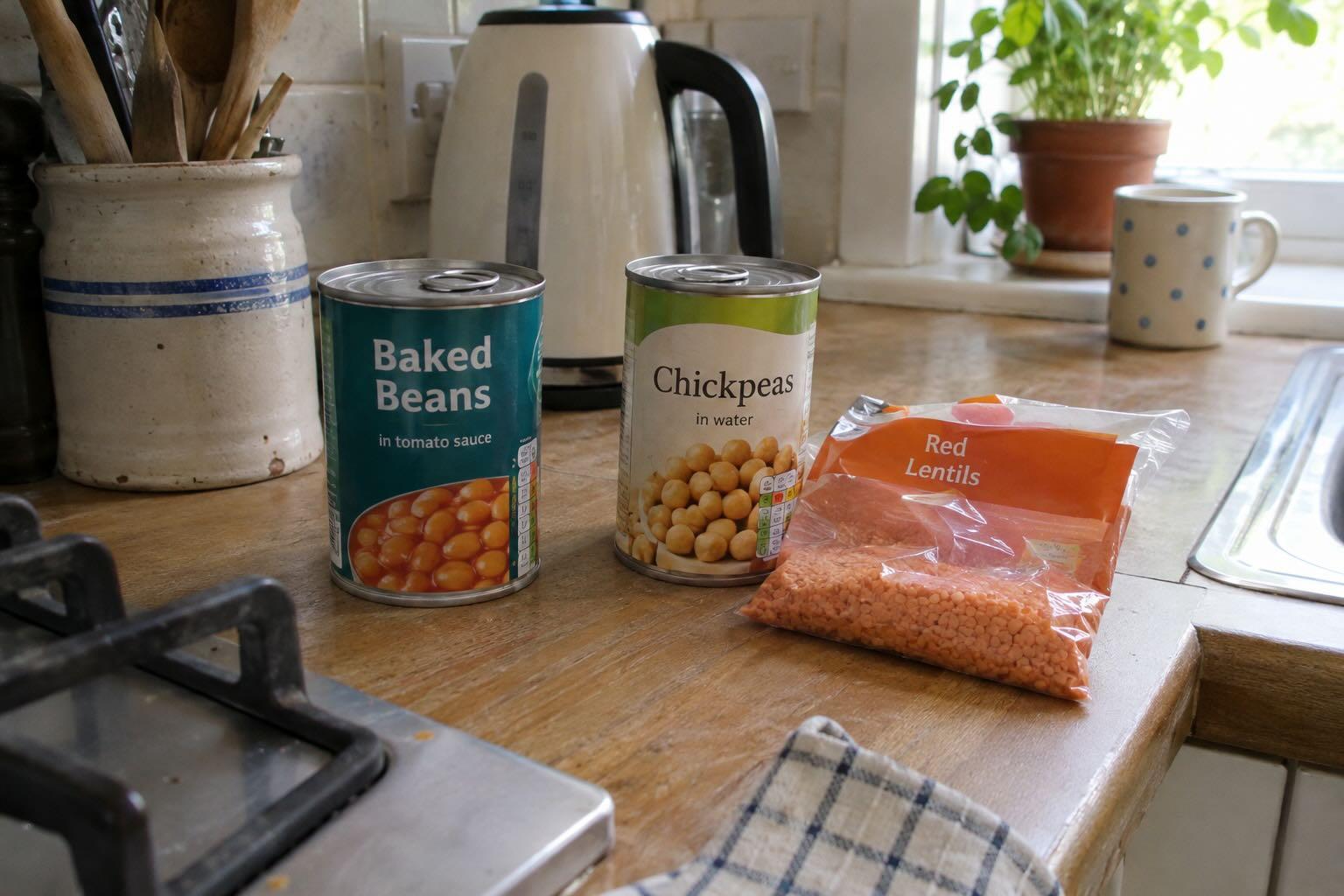
In May 2026, researchers published a review in the Journal of the American Heart Association, bringing together results from 38 randomised trials involving 2,095 participants.
Randomised trials compare an intervention with a control, helping researchers assess whether the food itself could have made a difference. [1]
Across the trials, people ate a typical amount of around 130g of cooked pulses a day, for a median of six weeks. The amount and duration varied between studies.
Compared with the control diets, eating pulses resulted in an average:
0.14 mmol/L reduction in LDL cholesterol
0.22 mmol/L reduction in non-HDL cholesterol
LDL is often called “bad” cholesterol because high levels can contribute to fatty deposits building up in the arteries. Non-HDL cholesterol includes LDL and other types of cholesterol that can contribute to this build-up.
There was also a very small average fall in HDL, often called “good” cholesterol, which the researchers described as trivial. Overall, they concluded that pulses likely produce small but meaningful reductions in cholesterol-related measures. [1]
The researchers rated the certainty of the evidence for the cholesterol results discussed above as moderate to high. [1]
It’s a modest one. For example, a reduction of 0.14 mmol/L would take an LDL result of 4.0 mmol/L to approximately 3.86 mmol/L, if a person experienced exactly the average change. That’s an illustration, not a prediction: individuals may respond differently.
Think of beans and lentils as one helpful part of a heart-healthy diet, rather than a food that can solve high cholesterol on its own.
One reason is their soluble fibre. This dissolves in water and forms a gel-like substance in the digestive system. Some soluble fibres can help reduce the amount of cholesterol absorbed into the bloodstream. [3]
Pulses can also help by changing what’s on your plate. For example, replacing some fatty meat in a chilli or Bolognese with beans or lentils can reduce the amount of saturated fat in the meal. Eating too much saturated fat can raise blood cholesterol. [4]
That doesn’t mean everyone needs to become vegetarian. Even swapping some of the meat in a favourite dish is a good start.
The review found broadly similar effects across different types of pulses, but the evidence was not equally extensive for every variety. The researchers called for more studies on chickpeas, dried peas and lentils. [1]
So, rather than searching for a single “best” bean, the practical approach is to choose the ones you enjoy and will eat regularly. There’s room for all sorts: butter beans in a casserole, chickpeas in a curry, lentils in soup or kidney beans in a chilli.
The typical amount in the review was around 130g a day. That’s a description of what people ate in the trials, not a target everyone must reach.
The researchers also found that, for beans specifically, higher amounts were linked with larger reductions in LDL. The estimate was uncertain, though, and it doesn’t establish that more is always better for every type of pulse. [1]
If you rarely eat pulses, start with a smaller amount and build up gradually. A few spoonfuls added to a familiar meal is a perfectly good place to begin.
The NHS says 80g of cooked beans or pulses counts as one of your five portions of fruit and vegetables a day. [5] That’s about three heaped tablespoons. [6] Beans and pulses count as a maximum of one portion, however much you eat. [5]
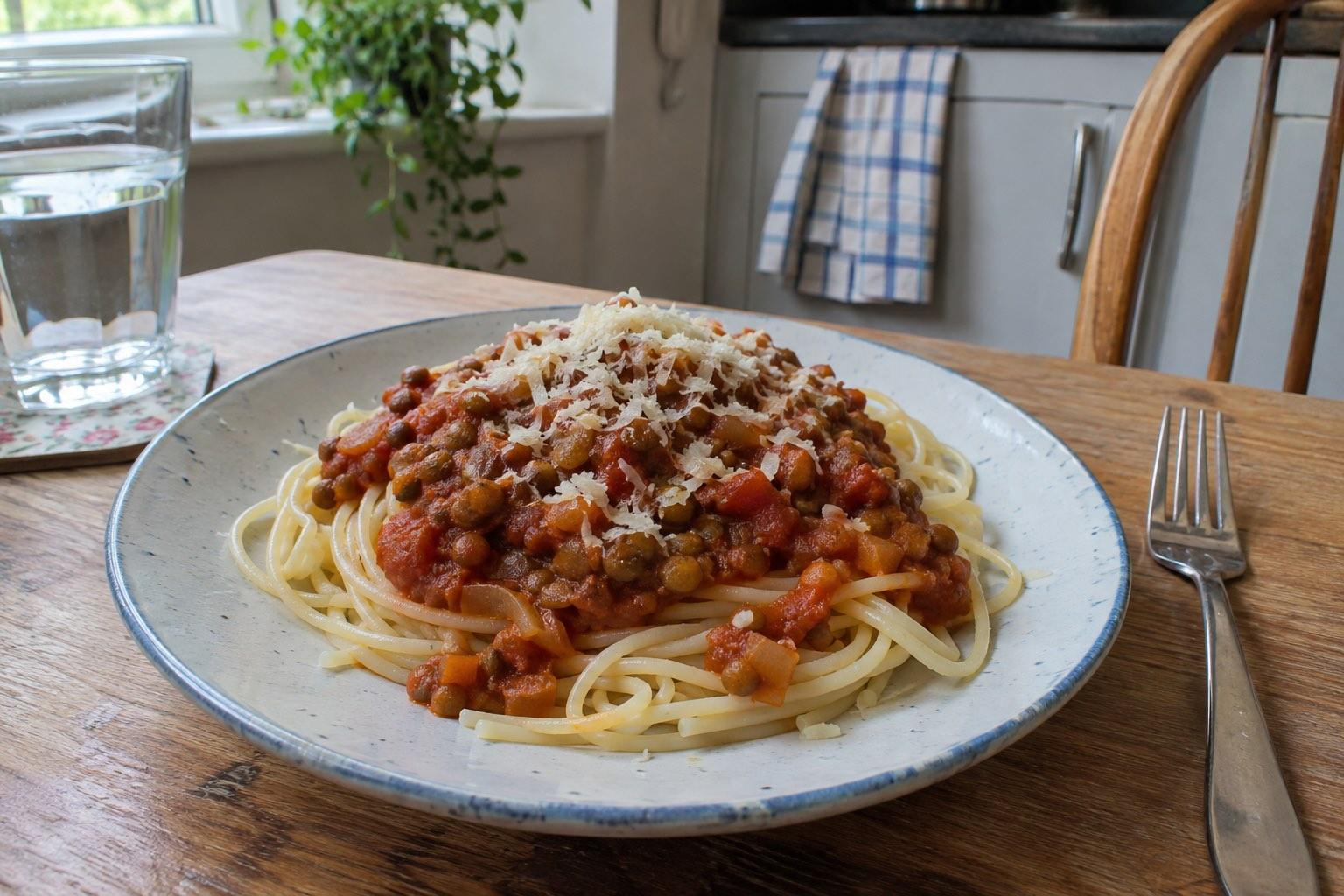
1. Add lentils to Bolognese. Stir cooked lentils into your usual sauce, either alongside mince or in place of some of it.
2. Make a quick bean soup. Add a tin of drained butter beans or cannellini beans to vegetable soup. Mash some into the soup to make it thicker.
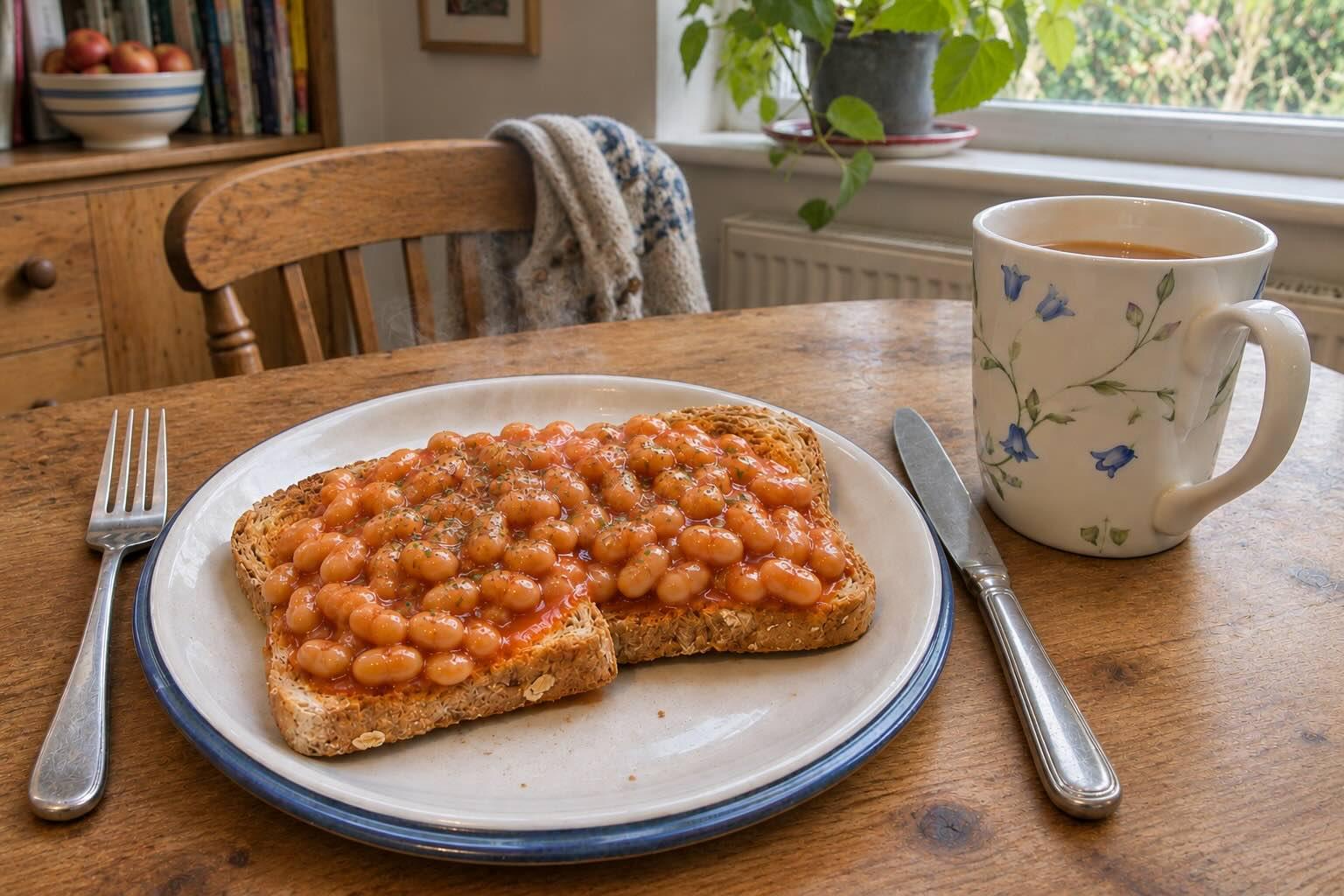
3. Give a jacket potato a topping. Baked beans work well here. Look for reduced-salt and reduced-sugar varieties where possible.
4. Add chickpeas to a curry. They work well with vegetables and soak up the flavours of the sauce.
5. Put a tin to work in a salad. Drain and rinse kidney beans or chickpeas, then add to chopped vegetables with a little olive oil and lemon juice.
Tinned pulses are already cooked, so there’s no need to soak them. If you’re cooking dried beans, follow the packet instructions carefully, as some need thorough soaking and boiling to make them safe to eat. [7]
Beans and lentils contain carbohydrates and fibre that are fermented by bacteria in the gut. If you’re not used to them, eating a large portion straight away can lead to wind or bloating.
Try starting with a few spoonfuls, increasing gradually and drinking enough fluid. You may find some varieties suit you better than others.
If you have IBS or have been advised to follow a low-FODMAP diet, speak to a dietitian about suitable types and portion sizes.
Beans and lentils may be humble, but the evidence suggests they can make a worthwhile contribution to a cholesterol-friendly diet.
They won’t replace everything else you do for your heart. But they are affordable, versatile and an easy way to add more fibre to your meals.
And if a tin of beans has been sitting at the back of your cupboard waiting for its moment, this might be it.
1. Can I use beans instead of meat?
Yes. Beans and lentils provide plant protein and can replace some or all of the meat in dishes such as chilli, casseroles and Bolognese. A varied diet helps provide the range of nutrients you need.
2. Do green beans or garden peas count as pulses?
Green beans and fresh garden peas count as vegetables for your 5 A Day. Dried peas, such as split peas, are pulses. Both vegetables and pulses can be part of a balanced diet. [5]
3. Will eating pulses lower everyone’s cholesterol by the same amount?
No. The figures in the review are averages across the trials, not a guarantee for an individual. Your starting cholesterol level, overall diet and other factors can affect the result.
4. Can beans replace cholesterol medication?
No. The reduction seen in the review was modest, and the trials measured cholesterol levels, not whether eating pulses prevented heart attacks or strokes. If you’ve been prescribed medication for high cholesterol, continue taking it as advised. A healthy diet can work alongside treatment, but any changes to medication should be discussed with your GP.
This article is for general information only and is not intended to treat or diagnose medical conditions. If in doubt, please check with your GP first.
References
Back S, Yang S, Rossi A, Ayoub-Charette S, Grant SM, Chen V, et al. Effect of different types of whole dietary pulses on established therapeutic lipid targets for cardiovascular risk reduction: an updated systematic review and dose–response meta-analysis of randomized controlled trials. J Am Heart Assoc. 2026;15(10):e046659. doi: 10.1161/JAHA.125.046659.
NHS. Eating a balanced diet. Available from: https://www.nhs.uk/live-well/eat-well/how-to-eat-a-balanced-diet/eating-a-balanced-diet/
HEART UK. Fibre. Available from: https://www.heartuk.org.uk/step-4-eat-and-live-smart/cholesterol-smart-fibre
NHS. Facts about fat. Available from: https://www.nhs.uk/live-well/eat-well/food-types/different-fats-nutrition/
NHS. 5 A Day: what counts? Available from: https://www.nhs.uk/live-well/eat-well/5-a-day/5-a-day-what-counts/
NHS. 5 A Day portion sizes . Available from: https://www.nhs.uk/live-well/eat-well/5-a-day/portion-sizes/
Food Standards Agency. Foods that need extra care. Available from: https://www.food.gov.uk/sites/default/files/media/document/sfbb-caterer-cooking-02-foods-that-need-extra-care_0.pdf
Mediterranean Diet Slashes Early Death Risk in Women by Nearly 25%, Study Finds
Bananas: Effective in Lowering Blood Pressure New Study Suggests

Shedding Just 5%: The Small Weight Loss with Massive Benefits